
Verified
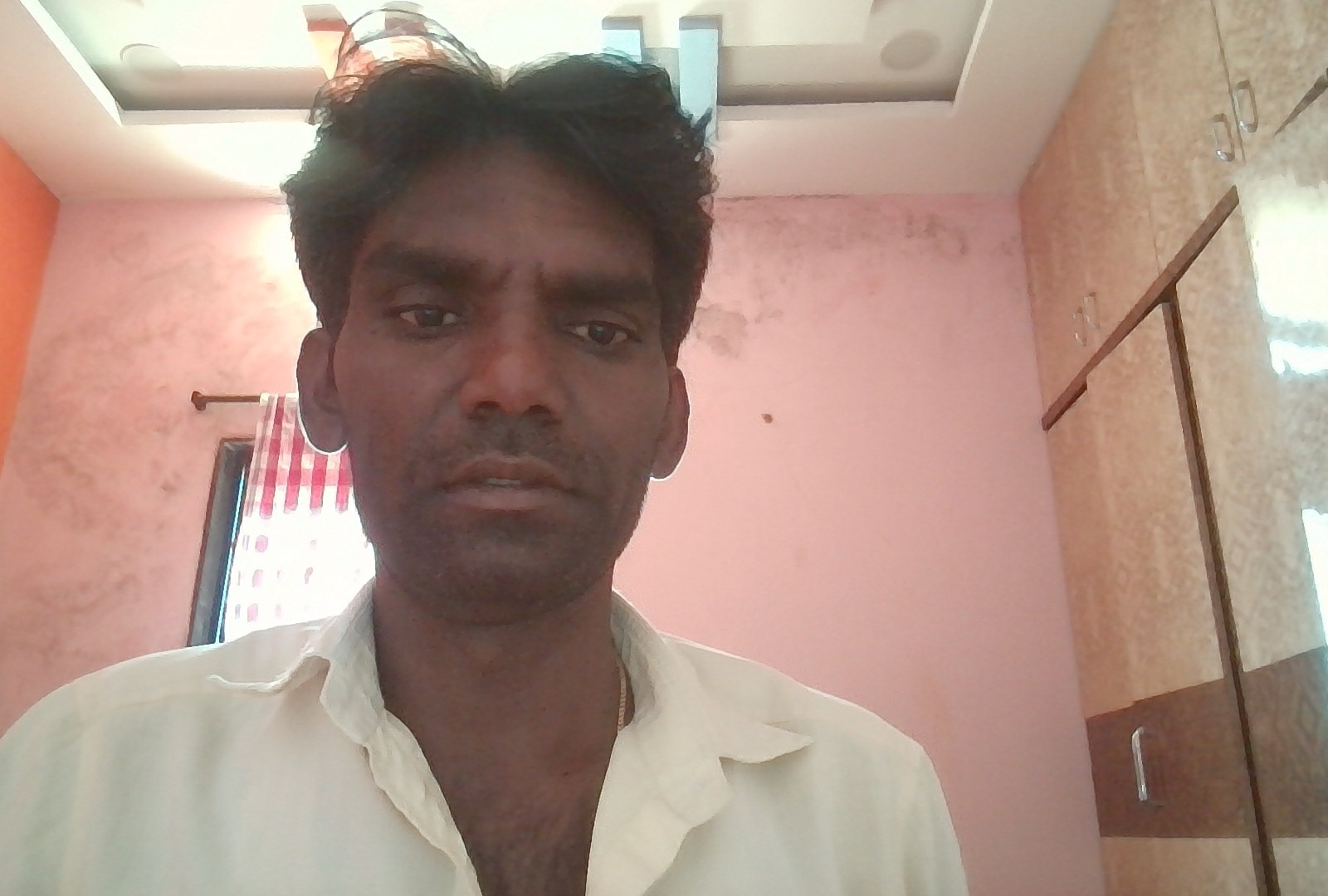
Vivek
Bidar, Karnatak
Teaches Hindi
- Experience
- 10+ yrs
- Fee
- ₹600/hr
From varnamala and matras to the Class 10 board paper, at home or online.
 Guide by NXTutors Academic Team · Subject tutors and editors at NXTutors
Real tutors first; sample profiles are marked. We suggest suitable tutors, and you meet one at a free demo class.
View all tutors →
Bidar, Karnatak
Teaches Hindi
Chennai
Teaches Hindi · Economics
Bengaluru
Teaches Science · Hindi
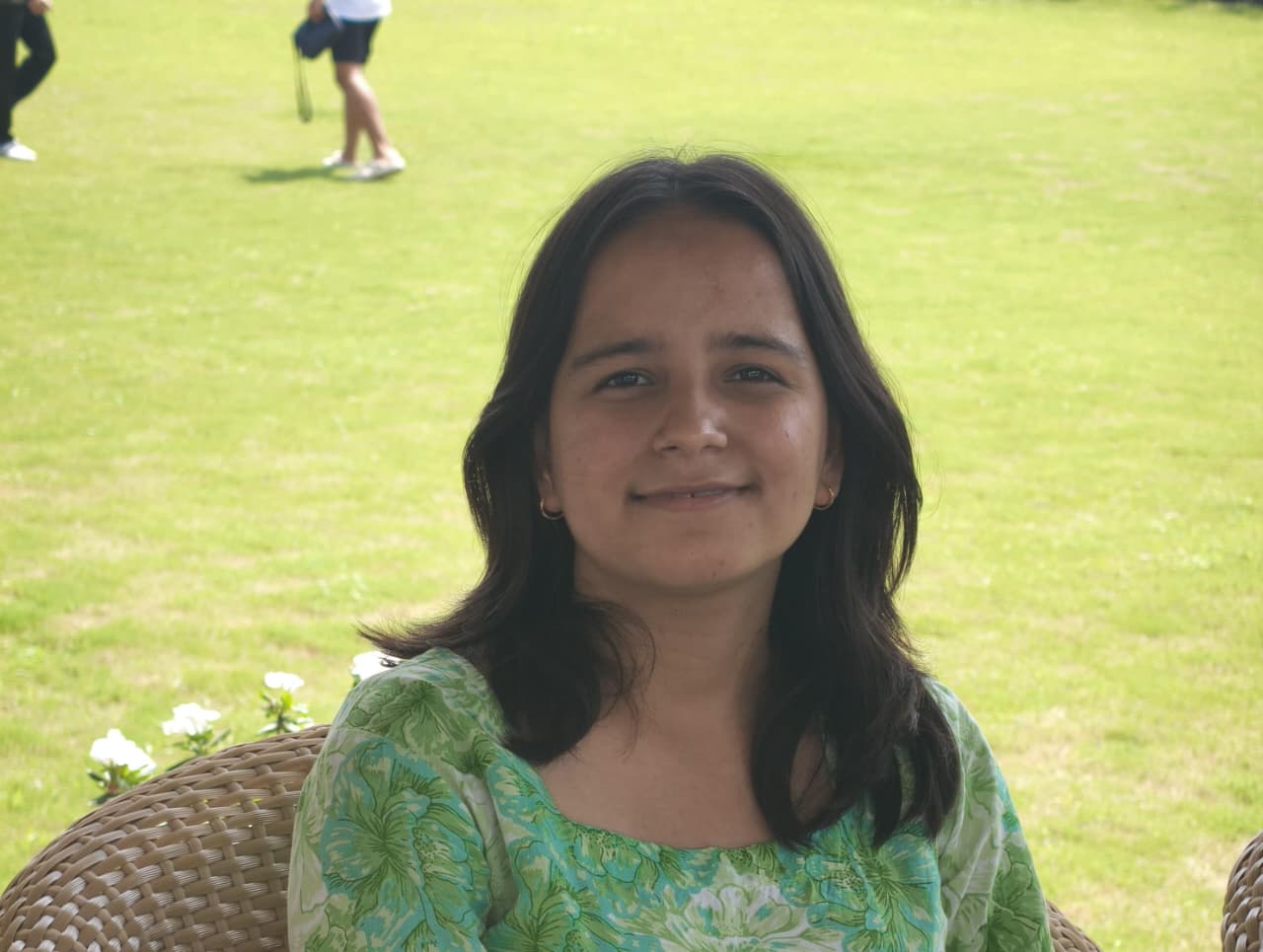
Saharanpur Road & Clement Town, Dehradun
Teaches English · Hindi · Science

Sector 76, Noida
Teaches Maths · Science · Hindi
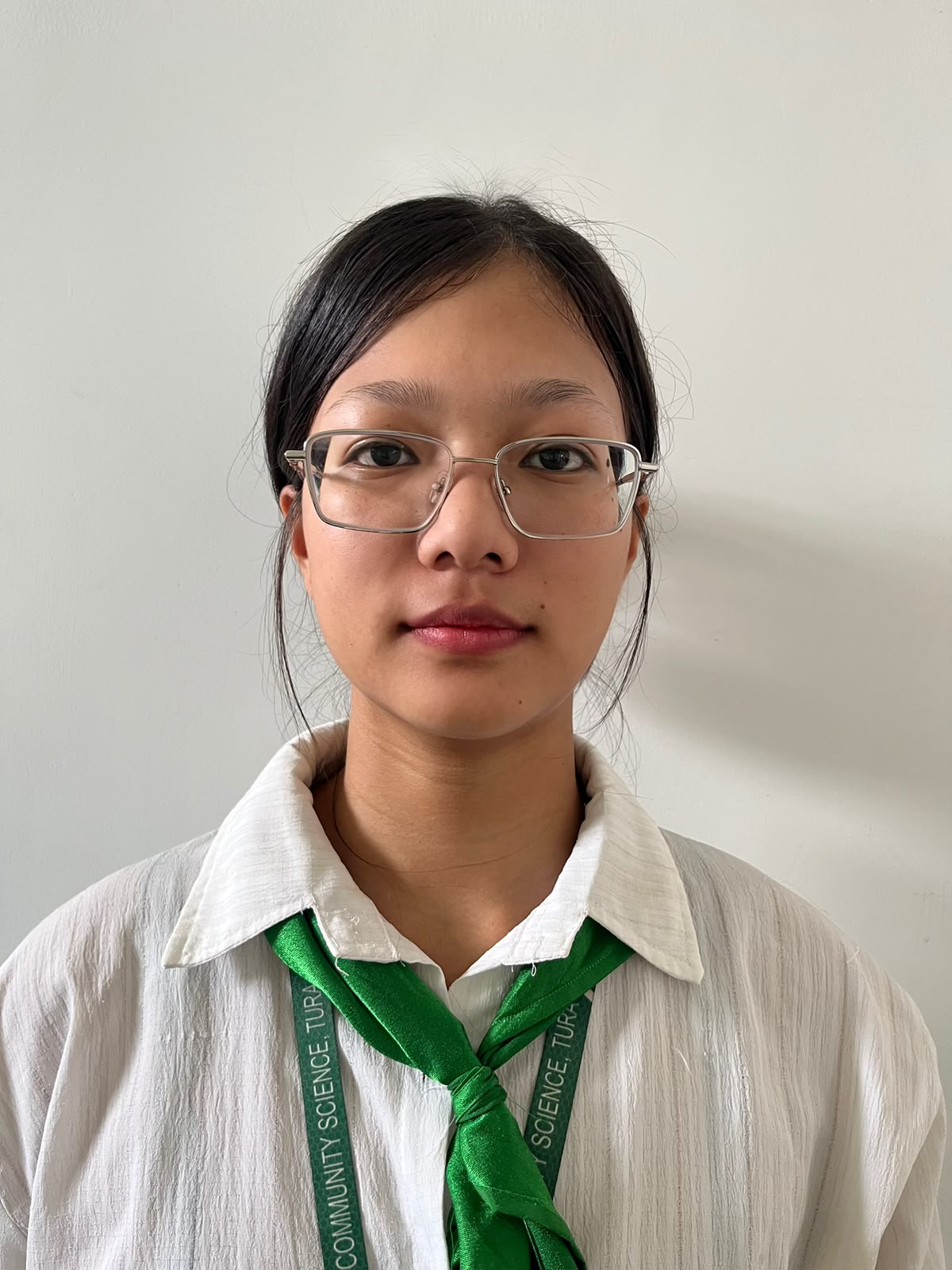
Paona bazaar, Imphal
Teaches Science · English · Hindi

Raipur
Teaches Maths · Hindi · Social Science
Gorakhpur Maharajganj
Teaches Maths · Science · Hindi
NXT AI can make mistakes. Please verify important details. Continue on WhatsApp
A Hindi tutor does two quite different jobs. For younger children it is reading, matras, handwriting and the confidence to speak; for Classes 9 and 10 it is a board paper with unseen passages, grammar, set texts and timed writing tasks. Through NXTutors you can find a Hindi tutor for CBSE Course A or Course B, ICSE or a state board, from the early classes to Class 10, at home or online. We shortlist two or three tutors, you see their fees first, and the first class is a free demo. This guide explains how the two CBSE Class 10 Hindi papers differ, where students usually lose marks, and what a tutor should do at each stage.
CBSE offers Hindi in Class 10 as Course A (subject code 002) and Course B (code 085); its 2026-27 curriculum describes Course B as Hindi as a second language. Both are 80-mark, 3-hour board papers with 20 marks of internal assessment, but they use different books, test different grammar and weight writing differently. The school decides which course a student follows, so check before choosing a tutor.
| Course A (002) | Course B (085) | |
|---|---|---|
| Unseen reading | 14 marks: a prose passage of about 250 words and a poem of about 120 words | 14 marks: two prose passages of about 200 words each |
| Grammar | 16 marks: sentence types by structure, voice (vachya), pad parichay, alankar | 16 marks: padbandh, sentence transformation, samas, muhavare |
| Textbooks | 30 marks: Kshitij Part 2 and the supplementary reader | 28 marks: Sparsh Part 2 and Sanchayan Part 2 |
| Writing | 20 marks | 22 marks |
| Board paper | 80 marks, 3 hours, plus 20 marks of internal assessment | |
In both grammar sections, 20 questions are asked and 16 must be answered, so a student can leave out the four they are least sure of, but only if they have practised all the types.
Each topic carries 4 marks, with five questions set and four to be answered. Because the questions use new sentences, the tutor's job is to make the student recognise the pattern in unfamiliar examples, not to recite definitions. Short daily practice of five sentences on one topic works better than a long weekly session.
Writing is where a tutor's feedback matters most, because the tasks have word limits and set formats. In Course A for 2026-27 the writing section has four tasks:
Course B students also write a paragraph of about 120 words and an email of about 80 words, among other tasks. Each format has conventions that examiners look for, and a tutor should mark practice pieces against them until the format is automatic.
Two classes a week is a common start for a Class 10 student whose Hindi is pulling the total down. A sample plan for Course A in the middle of the year, which a tutor adjusts after the demo:
| Session | First half | Second half |
|---|---|---|
| Class 1 (60 min) | One lesson from the textbook read aloud with the tutor; meaning, the writer's intent and two likely questions | Grammar: ten fresh sentences on one topic, such as vachya or pad parichay |
| Homework | One unseen passage with its questions, and one writing task within the word limit, sent as a photo | |
| Class 2 (60 min) | Marking the homework line by line; the format points for that writing task | A poem from the textbook, then ten-word dictation for spelling and matras |
From December the balance shifts to timed sections and full papers marked against the CBSE marking scheme. For Course B, the grammar topics change (padbandh, sentence transformation, samas and muhavare) but the pattern of the week stays the same.
Hindi is taught differently across boards, and the tutor needs to know which version your child sits. Tell us:
With that, a tutor can plan around the real paper instead of a generic course. If your child also needs help with the other language subject, ask for a tutor who teaches both.
| Stage | Focus | Signs a tutor would help |
|---|---|---|
| Nursery–Class 2 | Varnamala, sounds, matras, first words, letter formation | Mixing similar letters; avoiding Hindi reading |
| Classes 3–5 | Fluent reading, short answers, simple grammar, neat handwriting | Slow reading aloud; answers copied from the book |
| Classes 6–8 | Grammar rules in use, comprehension, letters and paragraphs | Marks lost on grammar and writing, not on lessons |
| Classes 9–10 | The board course (A or B), unseen passages, set texts, timed writing | Strong in other subjects but Hindi pulling the total down |
Children from families who speak little Hindi at home, or who have moved from another state or abroad, often need the most help with reading fluency and vocabulary. Say so when you ask, so we look for a tutor who is patient with beginners.
For young children learning to read and write, a home tutor beside the child usually works better: the tutor watches letter formation and finger-pointing while reading. From about Class 6, Hindi works well online. Reading aloud, grammar drills and comprehension are easy over video, and written answers can be shown to the camera or shared as photos. See online tuition on NXTutors for how online classes and the free demo work, and online tuition for Class 10 for the board year as a whole.
Tell us the class, the board and, for CBSE Class 9 or 10, whether the school follows Course A or Course B, plus home or online and your free slots. We shortlist two or three tutors, you see each fee before the demo, the first class is free, and switching tutor later is free. Across NXTutors, most home-tuition sessions fall between ₹800 and ₹2,500 an hour; Classes 11–12, IB/IGCSE and JEE/NEET sit toward the upper end; specialists for IB HL or JEE Advanced can charge more. Many families take Hindi alongside English or social science; book a free demo class to start.
They are two separate Class 10 courses: Course A (code 002) and Course B (code 085), which CBSE describes as Hindi as a second language. Both are 80-mark, 3-hour papers with 20 internal marks, but they use different textbooks, test different grammar topics and give slightly different weight to writing. Your child's school decides the course.
Both courses have four sections: unseen reading (14 marks), grammar (16 marks, answering 16 of 20 questions), textbooks (30 marks in Course A, 28 in Course B) and writing (20 marks in Course A, 22 in Course B). That is the 80-mark board paper; the school adds 20 marks of internal assessment.
Usually in grammar applied to new sentences, careless answers to unseen passages, set texts known only from summaries, and writing tasks that miss the word limit or format. A tutor fixes these with fresh grammar practice, line-by-line passage work, reading the actual texts and marking each writing task against its format.
Yes. Many children learn Hindi mainly at school, and a tutor can build it up step by step. The tutor starts with reading fluency, matras and everyday vocabulary before moving to grammar and writing. Tell us about the child's background when you ask, so we can shortlist tutors who are patient with beginners and can teach at the right pace.
From about Class 6, yes. Reading aloud, grammar drills and comprehension work well over video, and written answers can be shown to the camera or shared as photos. For young children who are still learning to read and write letters, a home tutor beside the child usually works better than a screen.
Tutors set their own fees, and you see each shortlisted tutor's fee before the demo. Across NXTutors, most home-tuition sessions fall between ₹800 and ₹2,500 an hour; Classes 11–12, IB/IGCSE and JEE/NEET sit toward the upper end; specialists for IB HL or JEE Advanced can charge more. The first class is a free demo.
Tell us the class, board and your area. We share two or three matched tutors, and the first class is a free demo.
