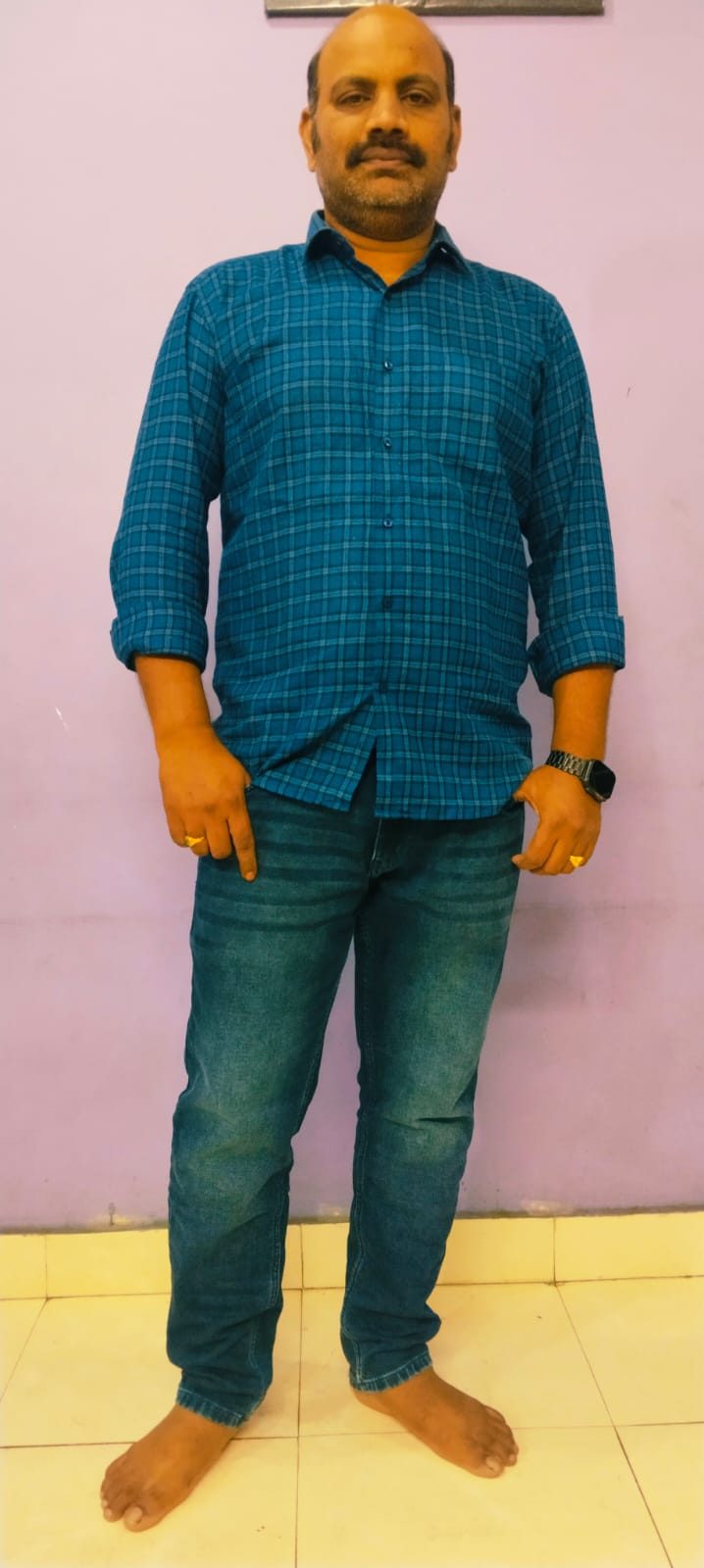
Verified
N.Vijaya kumar
Visakhapatnam
Teaches Maths
- Experience
- 20+ yrs
- Fee
- ₹500/hr
Maths tutors at home or online, matched to your child’s class, board and pace — CBSE, ICSE, IB, IGCSE and JEE.
Real tutors first; sample profiles are marked. We suggest suitable tutors, and you meet one at a free demo class.
View all tutors →
Visakhapatnam
Teaches Maths

Indirapuram, Ghaziabad
Teaches Maths · Science · English

Almora
Teaches Maths

Ahmedabad
Teaches English · Maths
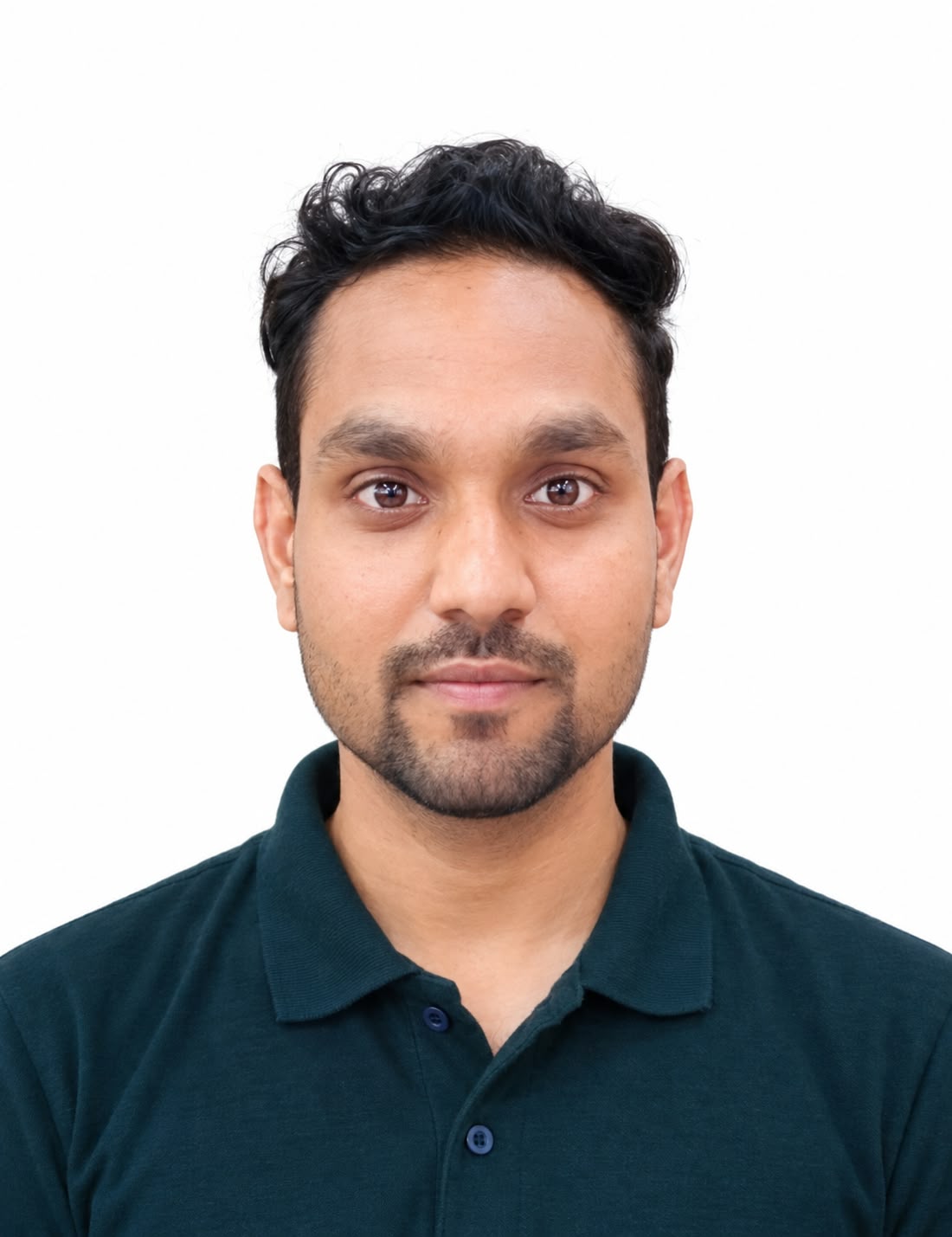
Naharlagaun
Teaches Maths
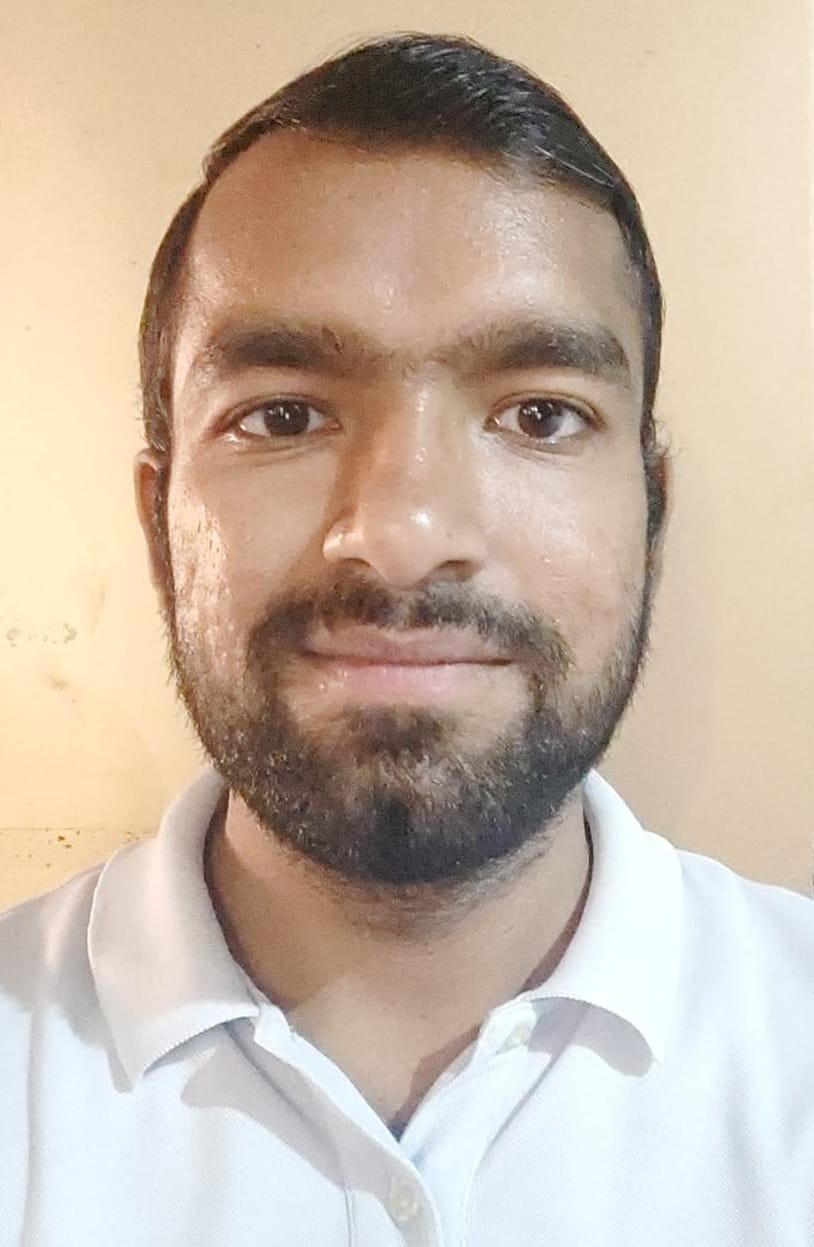
Ghaziabad
Teaches Maths · Science
Lake Town, Dum Dum & Baguiati, Kolkata
Teaches Maths · Science · English

Sitamarhi
Teaches Maths
NXT AI can make mistakes. Please verify important details. Continue on WhatsApp
Maths is the subject parents worry about most, and for good reason. It is cumulative: a Class 6 student who never quite understood fractions will struggle with algebra in Class 8, and a Class 10 student who is shaky on quadratic equations will find Class 11 calculus a wall rather than a step. The good news is that maths also responds to one-to-one teaching faster than almost any other subject. A tutor who sits beside the student, watches them work and catches the exact line where the reasoning slips can fix in a few weeks what a crowded classroom leaves untouched for years. This guide explains what a good maths home tutor does at each stage, how the boards differ, how to choose between home and online tuition, what it costs, and how to tell in a single demo class whether a tutor is right.
Many parents picture maths tuition as a second round of school: the tutor explains the chapter again, sets the textbook exercise and checks the answers. That helps a little. Good maths tutoring is something different, and it is worth knowing what to expect before you pay for it.
What a maths tutor should be doing changes sharply with the student's age. A tutor who is excellent with a Class 12 calculus student may be the wrong choice for a Class 3 child who is afraid of numbers, and the reverse is just as true. We match on stage, not just on the word "maths".
At primary level the aim is fluency and comfort with numbers: place value, the four operations, times tables, fractions, measurement and simple word problems. A good tutor uses objects, drawings and games before symbols, and keeps sessions short and lively. Speed matters less than understanding. If a child counts on fingers in Class 4, the fix is usually a better grasp of number facts, not more drill.
These are the years that decide how a student will feel about maths in Class 10. Integers, fractions and decimals, ratio and percentage, and then letters standing for numbers all arrive here. Most later struggles trace back to this stage. One or two sessions a week, focused on closing gaps and building the habit of setting out working neatly, is usually enough.
The jump from Class 8 to Class 9 is steep: proofs in geometry, polynomials, coordinate geometry and statistics all arrive together. Class 10 then brings the board exam. Here a tutor needs to know the board's syllabus and paper pattern closely, teach every chapter properly and then move to timed papers. Our Class 10 maths tutor guide covers the CBSE and ICSE papers chapter by chapter.
Senior-secondary maths (sets and functions, trigonometric functions, limits, calculus, vectors, three-dimensional geometry, probability) is abstract and fast-moving. Class 11 is where many strong Class 10 students first struggle, and Class 12 builds directly on it. A specialist is worth it here. Our notes on Class 12 calculus and algebra show how much depends on getting the Class 11 foundations right.
JEE Main and JEE Advanced maths asks for speed, pattern recognition and depth well beyond board level. Most aspirants attend coaching, and a home tutor helps most by clearing doubts from coaching sheets and working on the student's weakest chapters. See our topic-wise JEE maths plan. For younger students drawn to problem-solving, the olympiad route through RMO and INMO needs a tutor who enjoys proof-style problems.
The same topic can be taught and examined very differently depending on the board. A tutor's experience with one board does not always carry over, so we always match on the board the student is actually sitting.
CBSE maths is built on the NCERT textbooks, and board papers stay close to NCERT examples, exercises and exemplar problems. Recent papers include a significant share of competency-based questions: case studies, assertion and reason items and application problems set in real-life contexts. In Class 10 students choose between Standard and Basic mathematics. A good CBSE tutor starts from NCERT, then moves to sample papers and previous years' papers.
CISCE's ICSE (Class 10) syllabus covers more ground than CBSE, including commercial topics such as GST, banking, and shares and dividends, as well as matrices, loci and reflection. Papers reward complete, clearly shown working. ISC maths in Classes 11 and 12 is demanding, and students need a tutor who knows its sections and choices well. Our guide to ICSE Class 10 maths boards goes further.
IB Diploma students take one of two maths courses, each at Standard Level or Higher Level. Analysis and Approaches (AA) leans towards algebra, calculus and proof; Applications and Interpretation (AI) leans towards modelling, statistics and technology. Both include an internal assessment, the mathematical exploration, which counts towards the final grade. Choosing the right course matters as much as tutoring it; see our IB Maths AA and AI, SL and HL explainer.
IGCSE Mathematics is offered at two tiers. Core covers a narrower syllabus and caps the grade a student can reach; Extended covers the full syllabus and opens the highest grades. The tier decision is usually made by the school, but a tutor can help a student move up to Extended if their work supports it. Past papers and mark schemes are central to IGCSE preparation. Read more in our IGCSE Core and Extended maths guide.
Many state boards now use textbooks based on or closely aligned with NCERT, but chapter order, paper pattern and marking vary from state to state, and some are taught in regional languages. A tutor who has taught your state board's recent papers will know where marks are awarded, which matters more than general maths ability.
Maths difficulty rarely announces itself. It tends to show up sideways, in behaviour and habits before marks. Look out for these:
All three work for maths, and the right choice depends on the student more than on the subject. Many families search for a "maths home tutor near me" and end up with a mix, which is often the right answer.
| Mode | Works well for | Watch out for |
|---|---|---|
| Home tuition | Younger children, students who lose focus on a screen, and anyone who needs the tutor to watch hand-written working closely | Fewer tutors to choose from nearby; travel time and traffic affect evening slots |
| Online tuition | Specialist needs (IB HL, ISC, JEE, olympiad), families in areas with few local tutors, late or weekend slots | Needs a writing tablet or a camera pointed at the notebook, so the tutor can see the working |
| Hybrid | Board-year students who want the relationship of home visits plus extra online sessions for doubts and tests | Works only if it is the same tutor for both, so the plan stays joined up |
For online maths tuition, the single most important thing is that the tutor can see the student's working line by line (our online maths classes page covers the setup). A shared digital whiteboard with a stylus, or a phone clamped above the notebook, makes online sessions almost as effective as sitting side by side. Without it, the tutor is marking answers, not teaching.
Parents often ask us for the strongest maths tutor available. There is no single right tutor; there is the right tutor for this student, at this stage, on this board. Qualifications and years of experience are a starting point, but the demo class tells you far more. During and after it, ask yourself:
If several answers are no, that tutor is not the right fit, however good their profile looks. Tell us and we will arrange a demo with the next tutor on the shortlist.
A typical one-hour session with a well-organised tutor follows a simple rhythm. It varies with age, but the pattern holds from Class 6 upwards:
Nearer exams, the rhythm changes: more timed questions, full papers under exam conditions, and sessions spent going through marked papers mistake by mistake.
Maths tuition is an investment and you should be able to see what it is buying. With the tutors we work with, progress is usually checked in three ways:
If you are not seeing movement on any of these after six to eight weeks, talk to the tutor first, then to us. Sometimes the plan needs to change; sometimes a different tutor will suit the student better. Both are normal.
Across NXTutors, most home-tuition sessions fall between ₹800 and ₹2,500 an hour; Classes 11–12, IB/IGCSE and JEE/NEET sit toward the upper end; specialists for IB HL or JEE Advanced can charge more. Where a particular maths tutor sits in that range depends on a few clear factors:
You see each shortlisted tutor's fee before the demo, and we only shortlist tutors inside the budget you give us. Our pricing guide breaks this down further by class and subject.
We do not hand you a long list and leave the sorting to you. You tell us the student's class, board, the maths topics or exams in focus, your area, preferred days and times, home or online, and a budget range. We then:
You can also browse tutor profiles yourself, or go straight to booking a free demo maths class.
"Near me" matters for home tuition, but distance in kilometres matters less than the road between you at the time of your slot. A tutor five kilometres away across a congested road may arrive later, and less reliably, than one ten kilometres away on a clear route. When we shortlist home tutors we look at where the tutor starts from and when your session is, not just the pin code.
NXTutors is based in Gurugram, where we have a dedicated page for a maths home tutor in Gurgaon and a full guide to home tuition in Gurugram. For other places, start from our list of cities. If there is no suitable home tutor close enough, online or hybrid tuition with a specialist is often the better choice anyway, particularly for senior classes and international boards.
Many families who need maths help also want support in science, because physics and chemistry numericals lean on the same skills. If that is your situation, see our science home tutor guide.
The easiest time to start with a maths tutor is before the problem becomes urgent: at the start of the school session in April, over the summer break, or as soon as a gap shows up in a unit test. Starting later still helps, but the focus shifts from understanding to damage control.
Tell us the student's class, board and what is worrying you. We will come back with two or three matched maths tutors, you choose one for a free demo class, and you decide after that. If your child is in Class 10, read our Class 10 maths tuition guide first, and our CBSE Class 10 maths preparation notes for a chapter-level view.
Across NXTutors, most home-tuition sessions fall between ₹800 and ₹2,500 an hour; Classes 11–12, IB/IGCSE and JEE/NEET sit toward the upper end; specialists for IB HL or JEE Advanced can charge more. Primary and middle-school maths usually sits toward the lower end, while ISC, IGCSE Extended and IB AA HL cost more because specialists are fewer. We shortlist only inside your budget and show each fee before the free demo.
NXTutors matches a maths home tutor, or an online one anywhere in India, on class, board and level, not just the word maths. Tell us the topics or exams in focus, area, days, times and budget. We shortlist two or three matched tutors, each fee shown first; the first class is a free demo, and switching later is free.
A good maths home tutor diagnoses where understanding breaks before teaching, then lets the student hold the pencil for most of the hour. They read every line of working, not just the answer, build exam technique from Class 9, and rebuild confidence in a quiet room with no audience.
A maths tutor should focus on number sense in Classes 1 to 5, the bridge to algebra in Classes 6 to 8, and board papers in Classes 9 and 10. Classes 11 and 12 need a specialist, and JEE work centres on coaching doubts and weak chapters.
School maths differs across boards mainly in exam style, so tutors are matched on the board the student sits. CBSE stays close to NCERT with competency-based questions; ICSE adds commercial topics and rewards full working. IB has AA and AI at SL or HL with an exploration; IGCSE has Core and Extended tiers.
The signs your child needs a maths tutor include marks falling after one weak chapter, homework taking far too long, and copying methods without understanding. Avoiding maths homework, repeated so-called careless errors and a big transition ahead, such as Class 9, Class 11 or a board change, are signals too.
Judge a maths home tutor in the free demo by whether they ask before telling, let your child do the maths and spot a specific mistake in the working. Ask them to explain an idea two ways, how your board awards marks on a long answer, and for a four to six week plan.
A maths tutor often improves exam-technique problems such as skipped steps and careless errors within a few weeks; gaps from earlier classes take longer to rebuild. If chapter tests and school results show no movement after six to eight weeks, talk to the tutor, then to us, about changing the plan or the tutor.
Most students in Classes 1 to 8 need one or two maths tuition classes a week. In board years and in Classes 11 and 12, two sessions are typical, rising to three in the months before exams. More rarely helps, because the student also needs time to practise independently.
Home maths tuition suits younger children and students who lose focus on a screen, while online suits specialist needs and areas with few local tutors. That includes IB HL, ISC, JEE or olympiad maths. Hybrid suits board-year students, but only with the same tutor for both. Online needs the tutor to see every line of working.
For a maths home tutor near you, the road at your session time matters more than distance in kilometres. A tutor five kilometres away across a congested road may arrive later than one ten kilometres away on a clear route, so we look at where the tutor starts and when your session is.
Tell us the class, board and your area. We share two or three matched tutors, and the first class is a free demo.