
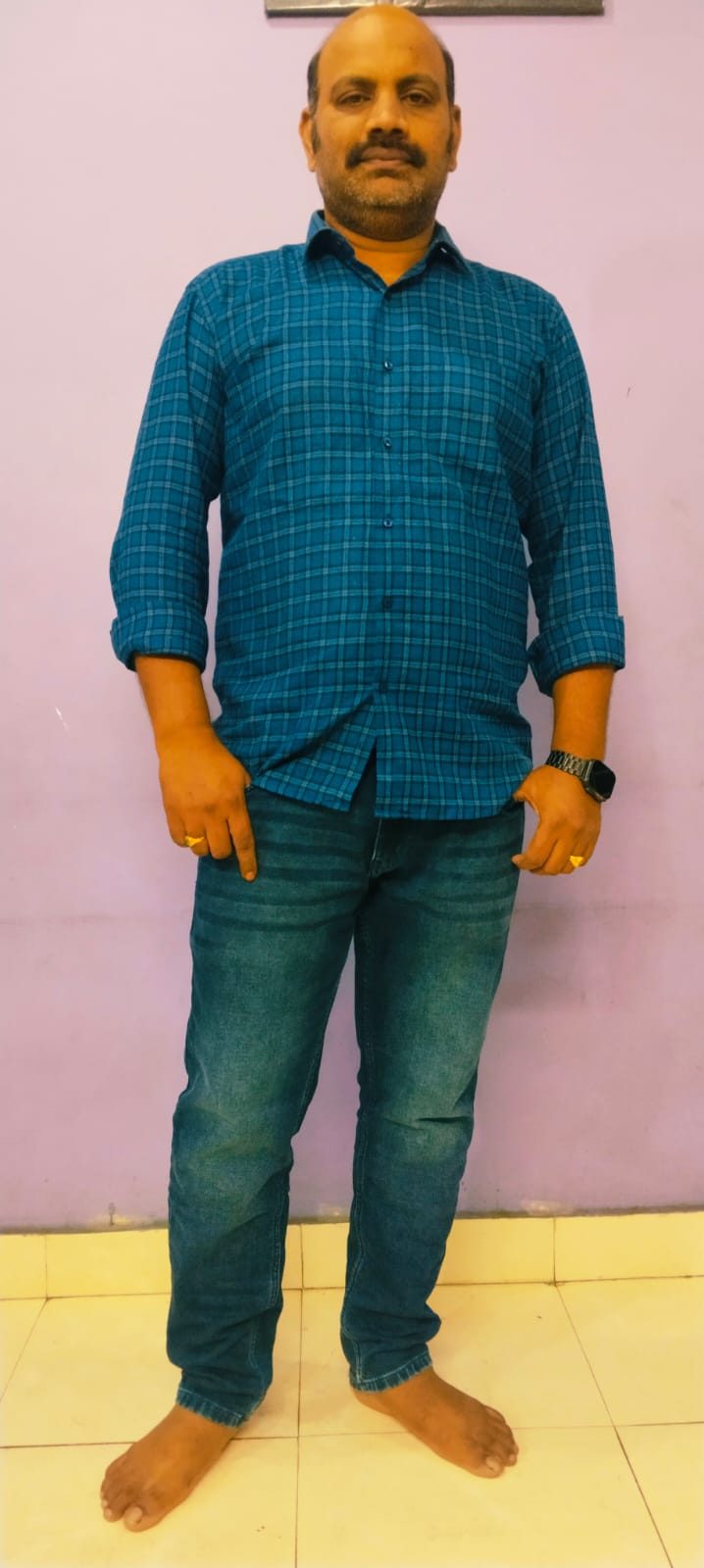
Verified
N.Vijaya kumar
Visakhapatnam
Teaches Maths
- Experience
- 20+ yrs
- Fee
- ₹500/hr
NCERT-first biology checks, physics in depth and honest mock analysis, planned as one exam, at home or online.
 Guide by NXTutors Academic Team · Subject tutors and editors at NXTutors
Real tutors first; sample profiles are marked. We suggest suitable tutors, and you meet one at a free demo class.
View all tutors →
Visakhapatnam
Teaches Maths

Vijayawada
Teaches Physics

Indirapuram, Ghaziabad
Teaches Maths · Science · English

Gurugram
Teaches Maths · Physics · JEE

Ahmedabad
Teaches English · Maths
Vellore
Teaches English
Bidar, Karnatak
Teaches Hindi
Naharlagaun
Teaches Maths
NXT AI can make mistakes. Please verify important details. Continue on WhatsApp
NEET (UG) looks simple on paper: one exam, one sitting, multiple-choice questions on three subjects. In practice, the three subjects pull in different directions. Biology is half the paper and rewards exact recall of the NCERT text; physics asks for numerical problem-solving at speed; chemistry needs a bit of both. A student can be strong in one and quietly losing the exam in another. This page is the exam-level view: what the National Testing Agency's bulletin and the National Medical Commission's syllabus actually say, how an NCERT-first tutor works in practice, why accuracy matters as much as coverage, how a home tutor fits with coaching, and how plans differ for Class 11, Class 12 and a repeat year.
NEET (UG) is conducted by the NTA for admission to undergraduate medical courses; the syllabus is notified by the National Medical Commission. The figures below are from the NEET (UG) 2026 information bulletin, the latest published.
| Item | What the bulletin says |
|---|---|
| Subjects and questions | Physics 45, Chemistry 45, Biology (Botany and Zoology) 90; all 180 questions compulsory |
| Marks | 720 in total |
| Question type | Multiple choice, four options, one correct or most appropriate answer |
| Marking | +4 for a correct answer, −1 for an incorrect one, 0 if unanswered |
| Time | 180 minutes |
| Mode (2026) | Pen and paper, single day, single shift, as in 2025 |
| Language | English; Hindi as a bilingual booklet; or English plus a chosen regional language (13 languages in all) |
| Age | At least 17 by 31 December of the exam year; no upper age limit |
Three things in the bulletin shape how a tutor should plan:
Mode, pattern and dates are confirmed in each year's bulletin. Read the current one on neet.nta.nic.in before planning around any detail.
The NMC's updated syllabus for NEET (UG) 2026 lists 20 units in physics (from physics and measurement through electronic devices, ending with experimental skills), 20 units in chemistry (split into physical, inorganic and organic chemistry, ending with principles of practical chemistry) and 10 units in biology:
The first five biology units follow the Class 11 NCERT book and the last five the Class 12 book. The physics experimental-skills unit lists specific practicals (vernier callipers, screw gauge, metre bridge, the p-n junction and Zener diode curves among them), so a tutor should teach those as exam content, not leave them to the school lab.
| Subject | Questions | What a tutor mainly does | Read more |
|---|---|---|---|
| Biology | 90 | Checks line-level NCERT recall, diagrams and terms; keeps revision cycles on schedule across 10 units | NEET biology, NCERT first |
| Physics | 45 | Builds concepts and formula fluency, then speed on numericals; often the weakest section | NEET physics tutor · high-yield chapters |
| Chemistry | 45 | Physical chemistry numericals, organic reasoning, inorganic recall straight from NCERT | NEET chemistry tutor · important chapters |
The usual pattern is uneven: a student who reads well is comfortable with biology and struggles with physics; a student who likes numbers finds physics manageable and loses marks to biology details they thought they knew. A tutor should be booked for the subject that is costing marks, not spread evenly. Many NEET students need only one subject tutor, often for physics, and manage the others through coaching and self-study.
Almost every NEET teacher says "read NCERT". Our NCERT-first biology guide explains the reading strategy. What a tutor adds is the checking, because students routinely overestimate how well they know a chapter they have read twice. In a session, NCERT-first tutoring means:
A tutor who only assigns reading and then moves on is not doing NCERT-first; the value is in testing what stuck.
Biology is 90 questions spread over ten units, and the problem in Class 12 is rarely learning a chapter for the first time. It is keeping Class 11 chapters fresh while new ones arrive. A tutor can hold the revision plan so it does not collapse in the busy months. One way to structure it:
| Pass | When | What the student does | What the tutor checks |
|---|---|---|---|
| First reading | As the chapter is taught | Full NCERT reading, short notes on confusable points | Closed-book recall of the main processes and diagrams |
| Second pass | A few weeks later | Re-read, then chapter MCQs under time | Which lines and figures were missed; error notes |
| Mixed revision | Monthly, across units | Mixed-unit question sets | Whether older units are slipping |
| Final passes | The last months before the exam | Fast NCERT re-reads and full mocks | Wrong answers traced back to the exact NCERT line |
The spacing matters more than the exact schedule. A chapter revisited three or four times across the year is held far better than one crammed twice in the final month, and a weekly recall check tells the student honestly which chapters need the next pass.
Because every question carries the same +4 and −1, the arithmetic of guessing is simple: a wrong answer wipes out a quarter of a right one. The practical question is when a student should answer and when to leave a question. A tutor can make this concrete by tracking three numbers from every mock paper, for each subject:
| Measure | What it shows | What the tutor does with it |
|---|---|---|
| Wrong answers per subject | Where negative marking is draining the score | Targets the chapters behind them; sets a "leave it" rule for doubtful questions |
| Questions left unanswered | Knowledge gaps or time running out | Distinguishes the two: reteach, or practise speed |
| Time spent per section | Whether physics is eating biology's time | Adjusts the order of attempt and practises timed sections |
Over a few weeks, these numbers show whether the next month should go on content, speed or discipline in the exam hall. They also matter for the tie-break rules above, where a lower proportion of wrong answers counts.
Most NEET aspirants attend coaching for the plan, the test series and the benchmark against peers. Our guide NEET preparation: coaching or a home tutor compares the routes. For planning purposes, the split of responsibilities looks like this:
| Responsibility | Coaching with a tutor | Tutor without coaching |
|---|---|---|
| Chapter sequence and deadlines | Set by coaching | Set by the tutor from the NMC syllabus, written down at the start |
| NCERT recall checks | Tutor, weekly | Tutor, weekly |
| Physics numerical practice | Coaching sheets, with the tutor clearing what is stuck | Tutor sets and reviews it |
| Full mock papers in pen-and-paper format | Coaching test series | Family arranges past papers and a mock series; tutor reviews |
| Mock analysis | Tutor | Tutor |
| School board and practicals | Tutor before school exams | Tutor |
Without coaching, the family carries more of the discipline: fixed study hours, mocks on schedule and honest review. With coaching, the risk is the opposite: a crowded week where the tutor becomes one more lecture. Tutor time should go to the student's own stuck questions, recall checks and mock mistakes.
| Stage | Main goal | Tutor focus | Typical sessions a week |
|---|---|---|---|
| Class 11 | Secure the Class 11 NCERT base in all three subjects | Biology recall habits from the first chapter; physics mechanics; mole concept and bonding | 2 to 3 |
| Class 12 | Finish Class 12, revise Class 11, move to full mocks | Revision cycles for biology; physics speed; board-style answers before pre-boards | 3 to 5 |
| Repeat year | Turn last year's weak sections into scoring ones | Mock-based diagnosis, weak chapters rebuilt, many full papers under exam timing | 3 to 6 |
Five of the ten biology units are Class 11 content, and they are easy to rush in the excitement of starting. A tutor who sets up closed-book recall checks from the first chapter builds a habit that pays off in Class 12 revision. In physics, mechanics is the base for much that follows. See the Class 11 physics and Class 11 chemistry pages.
Class 12 carries new chapters, Class 11 revision and the board exam at once. Biology revision has to be scheduled, not left to the end, and physics needs regular timed practice. Before school exams, switch to board-style written answers and diagrams for a few weeks. See the Class 12 physics and Class 12 chemistry pages for the board side.
The 2026 bulletin sets a minimum age and no upper age limit; check the current bulletin's eligibility section before deciding. A repeat year works well when it begins with an honest look at last year's mocks: which subject lost the most marks, and whether it was knowledge, speed or guessing. The tutor then targets that, while the student keeps biology revision on a steady cycle so earlier gains are not lost.
An illustrative week for a Class 12 student in coaching, with a tutor for physics and biology recall checks. Real timetables vary with school and coaching days.
| Day | Plan |
|---|---|
| Every day | 40 to 60 minutes of NCERT biology reading on the current revision cycle |
| Monday, Wednesday, Friday | Coaching; stuck physics questions noted with the step where the student stopped |
| Tuesday | Tutor session, physics (75 to 90 minutes): stuck questions, one concept rebuilt, timed MCQs |
| Thursday | Tutor session, biology (45 minutes, often online): closed-book recall and diagrams on the week's chapters |
| Saturday | Full-length mock in pen-and-paper format, under exam timing |
| Sunday | Mock review with the tutor: wrong answers, blanks and time per section; next week's targets |
If it does not feel right, tell us and we arrange the next demo; switching is free. Tutors who join NXTutors go through an ID check, and you can browse tutor profiles yourself.
Biology recall checks and doubt sessions work well online: they are short, frequent and need no travel. Physics teaching benefits from a tutor watching handwritten working, at home or through a camera on the notebook. Because the 2026 exam was on paper, mocks should be taken on paper with a separate answer sheet, whatever the tuition mode. Many families use one home session a week and one or two short online ones.
Across NXTutors, most home-tuition sessions fall between ₹800 and ₹2,500 an hour; Classes 11–12, IB/IGCSE and JEE/NEET sit toward the upper end; specialists for IB HL or JEE Advanced can charge more. Tutors set their own fee and you see each one before the demo. A single subject tutor plus short online recall sessions usually costs far less per month than three full subject tutors, so decide the split first. The pricing guide has more.
Tell us the student's class and board, which NEET subjects need help, the coaching days if any, and home or online. We send two or three matched tutors and you book a free demo class. Families in Gurugram can read the NEET home tutor in Gurgaon page, and students weighing engineering instead can start at the JEE home tutor hub.
Under the NTA's 2026 information bulletin, NEET (UG) has 180 compulsory multiple-choice questions in 180 minutes: 45 in physics, 45 in chemistry and 90 in biology, for 720 marks. A correct answer earns four marks and a wrong one loses one. The 2026 exam was pen and paper. Check the current bulletin each year.
It depends on the student, but physics is often where marks are lost, because it needs numerical problem-solving at speed. Some students instead lose marks in biology details they believed they knew. Look at wrong answers per subject across several mocks; book the tutor for the subject costing most marks rather than splitting time evenly.
It means the NCERT text is the base for biology and much of chemistry, and the tutor tests it closely: closed-book recall of processes, diagrams labelled from memory, and questions built from single lines and captions. Question banks come after a chapter passes that check. Physics still needs numerical practice beyond the NCERT exercises.
Yes, if the family arranges what coaching would provide: a written chapter plan from the NMC syllabus, full mocks in pen-and-paper format, and honest mock review. The tutor handles teaching, NCERT recall checks and analysis. It needs a fixed weekly routine; without one, preparation tends to fall behind the calendar.
The start of Class 11 is the most useful point, since half the biology units and much of physics and chemistry are Class 11 content. A tutor who sets up recall checks and a revision rhythm early saves a great deal of Class 12 time. Starting in Class 12 still helps, with more time spent on repair.
Each wrong answer costs one mark, a quarter of a correct one, and the 2026 bulletin also uses the proportion of wrong to correct answers to break ties. A tutor should track wrong answers, blanks and time per section in every mock, and agree a clear rule for when to leave a doubtful question.
Across NXTutors, most home-tuition sessions fall between ₹800 and ₹2,500 an hour, with NEET toward the upper end of that range. Tutors set their own fee and you see each one before the free demo. One subject tutor plus short online recall sessions usually costs much less each month than three full subject tutors.
Yes. The 2026 bulletin sets a minimum age of 17 and no upper age limit, but confirm eligibility in the current bulletin. A repeat year should begin with last year's mocks: which subject lost most marks, and whether knowledge, speed or guessing was the cause. The tutor targets that while biology revision continues steadily.
Tell us the class, board and your area. We share two or three matched tutors, and the first class is a free demo.
