
Verified
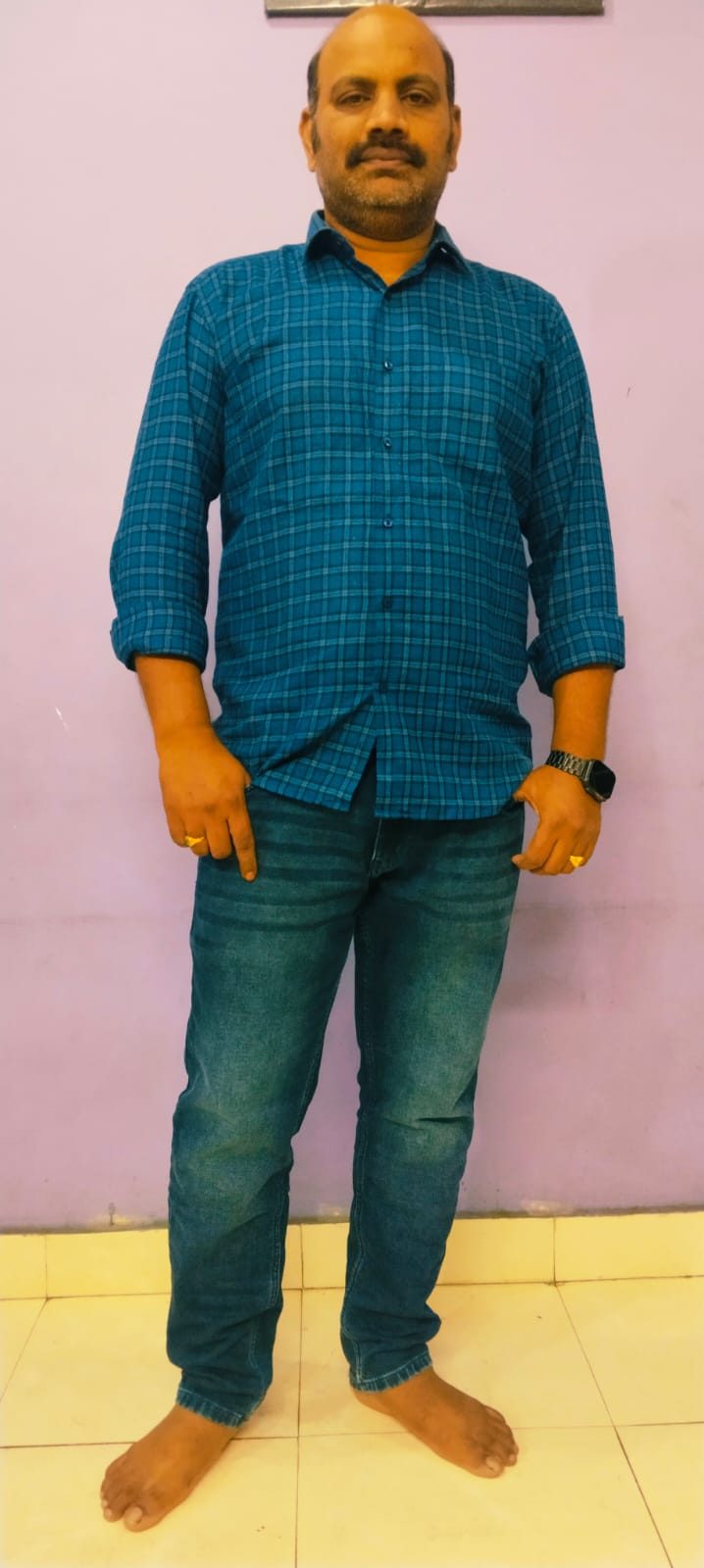
N.Vijaya kumar
Visakhapatnam
Teaches Maths
- Experience
- 20+ yrs
- Fee
- ₹500/hr
Live maths lessons where the tutor watches every line of working, from Class 5 to Class 12, IB, IGCSE and JEE.
 Guide by Ajay Vatsyayan with Abhinandan Tiwary · Maths tutor · IB, IGCSE and ISC specialist
Real tutors first; sample profiles are marked. We suggest suitable tutors, and you meet one at a free demo class.
View all tutors →
Visakhapatnam
Teaches Maths

Gurugram
Teaches Maths · Physics · JEE

Ahmedabad
Teaches English · Maths

Sitamarhi
Teaches Maths

Gurugram
Teaches Maths · Physics

Sector 76, Noida
Teaches Maths · Science · Hindi

Meerut
Teaches Maths · Science
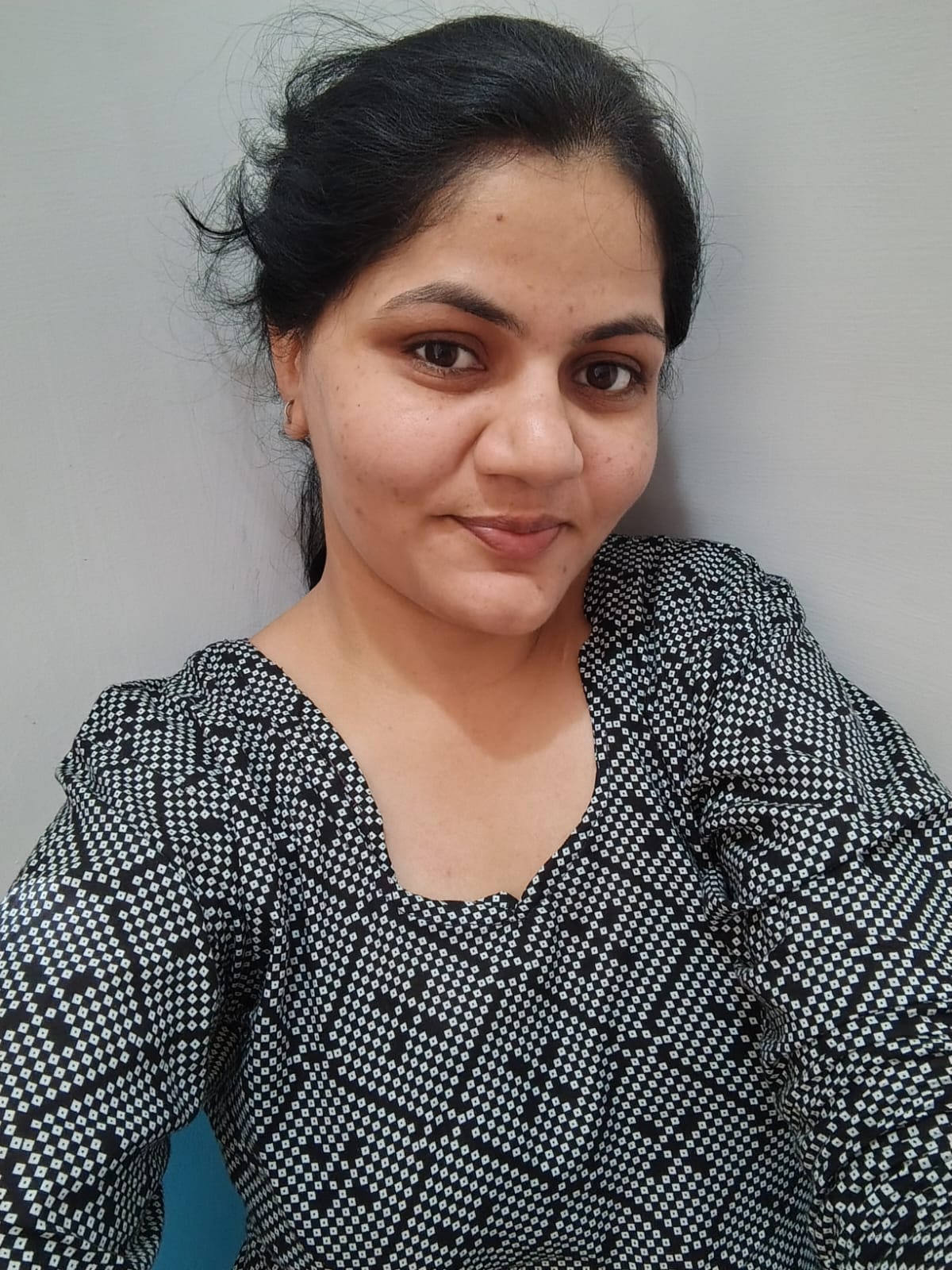
Sonipat
Teaches Maths
NXT AI can make mistakes. Please verify important details. Continue on WhatsApp
An online maths class works when the tutor can watch the student write every line, live, and correct the line where it goes wrong. Everything else, from the device to the timetable, is in service of that. Through NXTutors, online maths classes are one-to-one with a tutor matched to the student's class and board, from Class 5 to Class 12 and for IB, IGCSE, ISC and JEE maths. You see each tutor's fee before the first class, which is a free demo. This page covers the maths-specific setup, what a good online maths lesson looks like, how the plan changes from middle school to the board years, and where online maths needs extra care.
Maths is written, not spoken, so the setup is about one thing: getting the student's pen onto the tutor's screen without slowing the student down. There are three workable options. Pick one in the demo and stay with it.
| Option | What you need | Good for | Watch out for |
|---|---|---|---|
| Notebook camera | A phone on a stand or clamp, pointed down at the page, joined as a second camera | Most students; keeps them writing on paper as in the exam | Glare and shadows; a dark pen helps |
| Writing tablet and stylus | A tablet that takes a stylus, or a pen tablet connected to a laptop | Students who like to annotate the tutor's board directly | Handwriting on glass is slower at first; keep paper for timed papers |
| Photo after each question | A phone camera and a shared folder or chat the parent can see | Homework review and timed practice | The tutor sees the work only after it is done, so use it for practice, not teaching |
Whatever the option, keep graph paper, a ruler, a compass and the calculator the exam allows within reach, and have the textbook or past paper open on paper rather than on the same screen as the class.
Most lost maths marks are not lost on the idea. They are lost on one line. Take a Class 8 or Class 9 equation:
Solve 5 − 2(x − 3) = 7.
A common slip is to expand −2(x − 3) as −2x − 6, giving 5 − 2x − 6 = 7, so −2x = 8 and x = −4. The correct expansion is −2x + 6, because −2 × −3 = +6. Then 11 − 2x = 7, so 2x = 4 and x = 2. Check: 5 − 2(2 − 3) = 5 − 2(−1) = 5 + 2 = 7.
If the tutor sees only the final answer, all they can say is "wrong, try again". If the tutor watches the notebook camera, they stop the student at the second line and ask what −2 times −3 is. That is a ten-second correction instead of a repeated error, and it is the whole reason live working is non-negotiable in an online maths class. A student who repeats the same sign slip across a chapter usually has one habit to fix, not a chapter to relearn.
| Stage | What the classes focus on | Online fit | Read next |
|---|---|---|---|
| Classes 5–6 | Fractions, decimals, place value, word problems, neat setting out | Good in short sessions with a parent close by | Class 5, Class 6 |
| Classes 7–8 | Algebra from the start, ratio and percentage, geometry basics | Good; algebra habits are easy to watch on camera | Class 7, Class 8 |
| Class 9 | The foundation for the board year: polynomials, coordinate geometry, proofs | Very good for a focused student | Class 9 |
| Class 10 (CBSE, ICSE) | Board syllabus, then timed papers marked against the scheme; for CBSE, Standard (041) or Basic (241) | Very good; see the Class 10 online page for the full year | Online tuition for Class 10, Class 10 maths |
| Classes 11–12 | Functions, calculus, vectors, probability; JEE overlap for many students | Very good; fits around school and coaching | Class 11, Class 12 |
| IB Diploma maths | AA or AI, SL or HL; papers and the exploration | Online widens the choice of tutors who know the exact course | IB maths |
| Cambridge or Edexcel IGCSE | The right tier, calculator and non-calculator papers, past papers | Very good | IGCSE maths |
| ISC | Sections and full working in Classes 11–12 | Very good | ISC maths |
| JEE Main and Advanced | Topic repair and test analysis alongside coaching | Good for one-to-one doubt work | JEE tutor |
The national maths tutor page covers the subject itself in depth; this page is only about making it work online.
Almost every topic teaches well online once the working is visible. A few need a deliberate plan.
Several boards test maths both with and without a calculator, so the practice has to copy the exam. In IB Diploma Mathematics: analysis and approaches, Paper 1 is taken without technology and the other papers allow it. In Cambridge IGCSE Mathematics 0580 (2025–2027 syllabus), Paper 1 (Core) and Paper 2 (Extended) are non-calculator, while Papers 3 and 4 require a scientific calculator.
Online, that means two simple rules. For non-calculator practice, the calculator stays off the desk and the student's hands stay on camera. For calculator practice, the student uses the model the exam allows, not a phone app, so the button sequence they learn is the one they will use in the hall. Check the current syllabus or the school for the exact rules each year.
A plan for a student who has a gap in one chapter and two classes a week, which the tutor adjusts after the demo:
| Week | Class 1 | Class 2 | Homework (sent in writing) |
|---|---|---|---|
| 1 | Diagnose: 10 short questions across the chapter, solved on camera | Re-teach the first broken idea; student solves 5 graded questions | 8 questions, photo of working by the day before the next class |
| 2 | Review homework line by line; second broken idea | Mixed questions from both ideas | One exercise from the school book, marked by the tutor |
| 3 | Exam-style questions, untimed | School's current chapter, so the student keeps up | A short set of past or sample questions |
| 4 | Timed mini-test, 30–40 minutes, camera on | Go through the test; a written note to the parent on what improved and what is next | Corrections of every lost mark |
The written note at the end of the month matters. Online, a parent is rarely in the room for the whole class, so the tutor's summary is how you see progress.
For all subjects and the full process, see online tuition on NXTutors, or book a free demo class and tell us the class, board and the chapter that is causing trouble.
For most students from about Class 7 upward, yes, provided the tutor can see the student write each line live, through a notebook camera or a writing tablet. Without that, the tutor checks answers instead of method, and most maths marks are lost in the method. Younger children often do better with a tutor beside them.
A laptop or tablet, headphones with a microphone, a stable connection, and a way to show written work: a phone on a stand pointed at the notebook, or a tablet with a stylus. Keep graph paper, a ruler, a compass and the exam-approved calculator on the desk. Test it all during the free demo.
You can ask for CBSE and ICSE from Class 5 to Class 12, ISC, Cambridge and Edexcel IGCSE, IB Diploma maths (AA or AI, SL or HL), state boards, and JEE maths alongside coaching. Tell us the exact course and exam year so the shortlist matches it; IGCSE tier and IB course and level change what a tutor should teach.
By copying the exam. For non-calculator practice, the calculator is off the desk and the student's hands stay on camera. IB Maths AA Paper 1 and Cambridge IGCSE 0580 Papers 1 and 2 are non-calculator, so students on those courses practise both ways. For calculator papers, use the model the exam allows, not a phone app.
Two a week is a common start for closing a gap in one chapter, and one a week for keeping up. In the board year many students move to two or three, with timed papers in the final months. The tutor should review the plan after the first month and send the parent a short written summary.
Tutors set their own fees, and you see each shortlisted tutor's fee before the demo. Across NXTutors, most home-tuition sessions fall between ₹800 and ₹2,500 an hour; Classes 11–12, IB/IGCSE and JEE/NEET sit toward the upper end; specialists for IB HL or JEE Advanced can charge more. The first class is a free demo.
Tell us the class, board and your area. We share two or three matched tutors, and the first class is a free demo.
