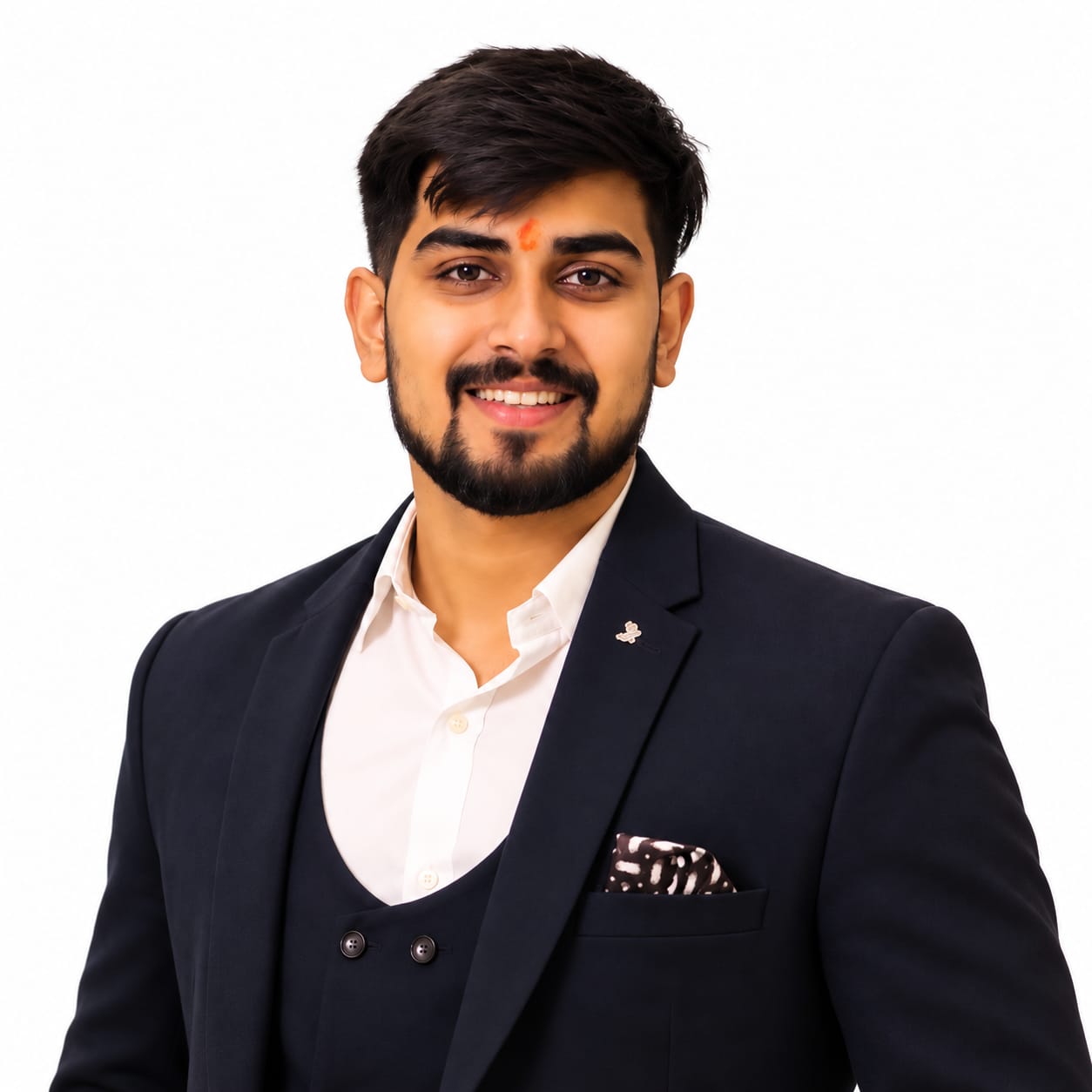
Verified · Woman tutor
Hema Rajesh
In Karnataka
Bengaluru
Teaches Biology · Science
- Experience
- 28+ yrs
- Fee
- ₹150/hr
Tutors who teach to the CBSE paper rather than the state blueprint: NCERT wording, case-based questions, internal marks and complete board answers.
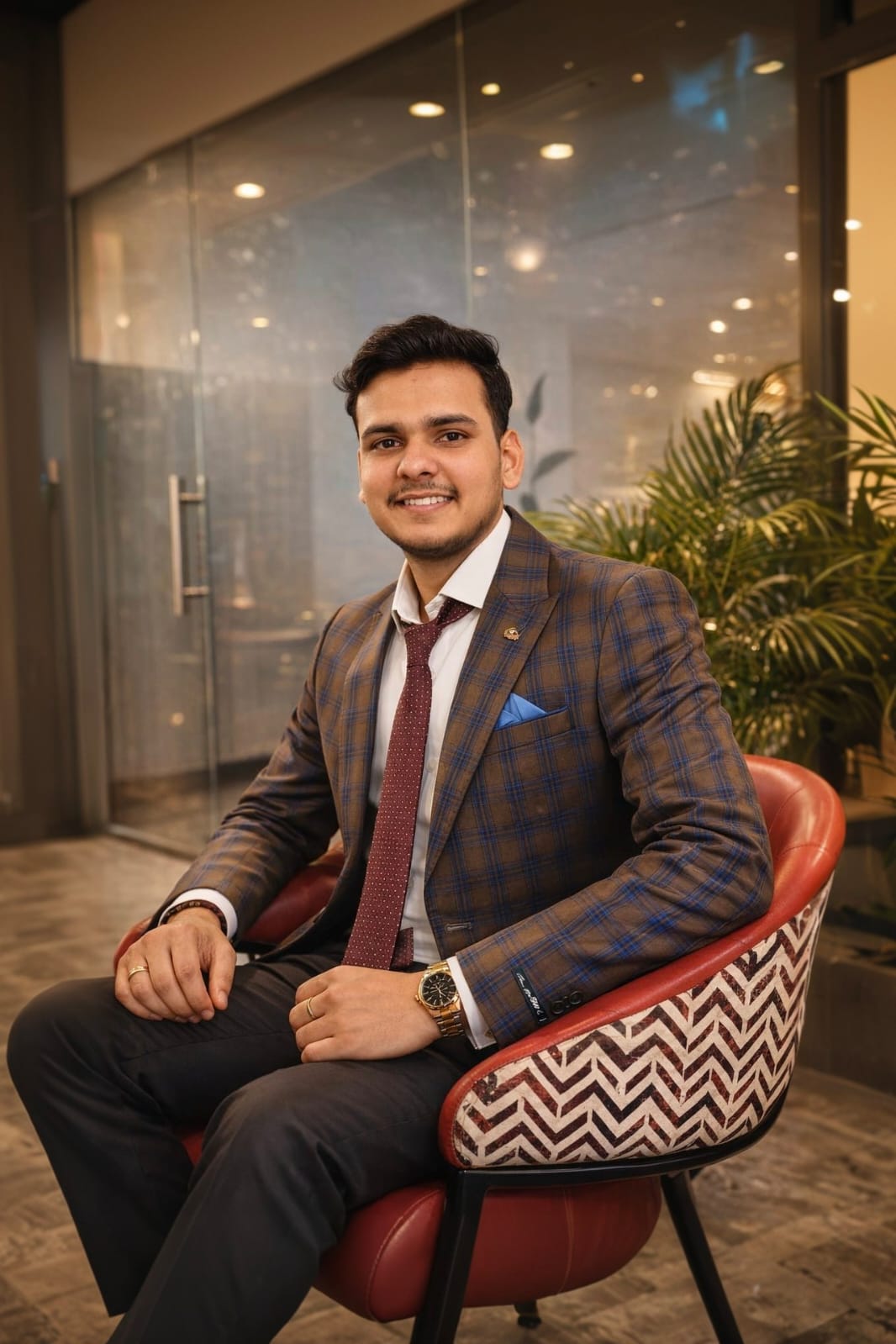 Guide by Abhinandan Tiwary with Aaditya Kashyap · Maths tutor · Class 10 CBSE and ICSE specialist
Real tutors first; sample profiles are marked. We suggest suitable tutors, and you meet one at a free demo class.
View all tutors →In Karnataka
Bengaluru
Teaches Biology · Science
In Karnataka
Bengaluru
Teaches English
In Karnataka
Bengaluru
Teaches Maths · Science · English
In Karnataka
Bengaluru
Teaches Science · Hindi
In Karnataka
Whitefield, Marathahalli & KR Puram, Bengaluru
Teaches Maths · English
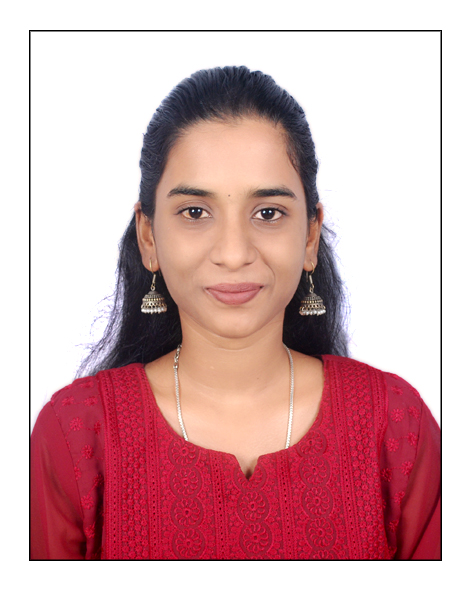
In Karnataka
Bengaluru
Teaches Maths · Science · English
In Karnataka
Bengaluru
Teaches Physics · Chemistry · Biology
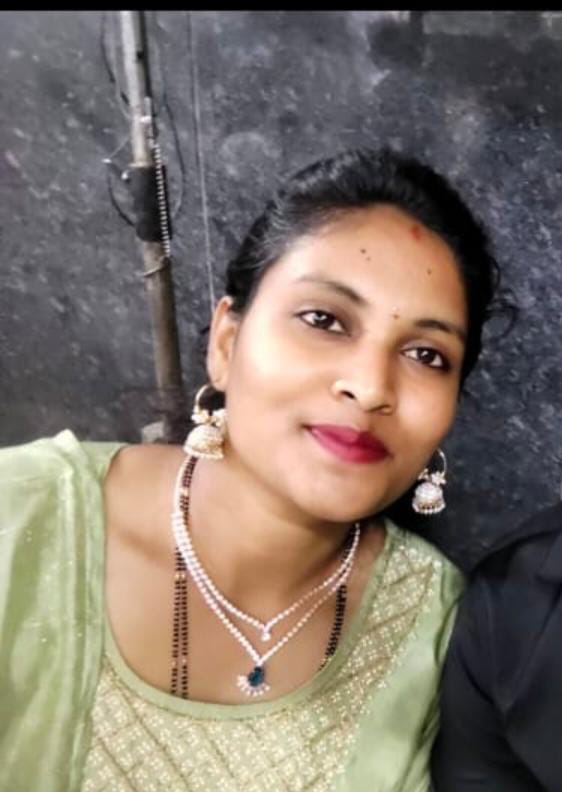
In Karnataka
Bengaluru
Teaches Maths
Tutors who join go through an ID check. Tell us the class, board and your area: we share two or three matched tutors, each with their fee, and the first class is a free demo, at home or online.
Book a free demo classAcross NXTutors, most home-tuition sessions fall between ₹800 and ₹2,500 an hour; Classes 11–12, IB/IGCSE and JEE/NEET sit toward the upper end; specialists for IB HL or JEE Advanced can charge more. Tutors set their own fee, and you see each tutor's fee before the demo class.
Monthly example: 3 one-hour classes a week ≈ ₹9,600–₹32,500 a month (12–13 classes at ₹800–₹2,500 an hour). An example, not a quote: your tutor's own fee decides the real figure.
See a monthly example and why one-to-one tuition costs more →
NXT AI can make mistakes. Please verify important details. Continue on WhatsApp
Families in Kalaburagi (Gulbarga) often have children on different boards within one colony: the state SSLC route, CBSE and ICSE. Many tutors in the city know the Karnataka textbooks inside out, which is a strength for state students but not automatically for a CBSE child. What a CBSE student needs is someone who teaches to the CBSE paper: NCERT language, competency-based questions, internal marks and, from 2026–27, two Class 10 board sittings. This page explains how CBSE differs from the state route, what each stage asks for, how the senior classes are marked, why reading decides so many marks, what changes when a child switches boards, and how tutors reach six localities on the west, south and south-east of the city. It finishes with questions for the free demo.
| Question | CBSE | State route (KSEAB) |
|---|---|---|
| Class 10 board | A compulsory first sitting and an optional second one to improve, from 2026–27 | The SSLC each March or April, with a June re-sitting for those who fail |
| After Class 10 | The same school continues to the Class 12 board | Two pre-university years, I PUC and II PUC, in a chosen combination |
| Main study material | NCERT books, CBSE sample papers and marking schemes | State textbooks, with a published blueprint for every paper |
| Official documents | cbseacademic.nic.in and cbse.gov.in | kseab.karnataka.gov.in, plus a divisional office in Kalaburagi itself |
The science and maths in the two courses overlap a great deal, so a good teacher of one can often handle the content of the other. The questions are where they part. A tutor who has spent years on SSLC blueprints will naturally teach to chapter weightings, while a CBSE paper leans on reading passages, data and applied reasoning. Ask plainly which board's papers the tutor has marked in the last year. Families on the state route can turn to the Karnataka Board tutors in Kalaburagi page.
| Classes | Priority | The tutor's job |
|---|---|---|
| 6 to 8 | Number sense, fractions, early algebra, and reading a science chapter for meaning | Steady weekly sessions; every NCERT exercise finished and explained back |
| 9 and 10 | The common Class 9 paper, internal marks, and the Class 10 board | CBSE-style chapter tests, sample papers, and a plan aimed at the first sitting |
| 11 and 12 | A stream, theory plus practical marks, and often an entrance exam too | A specialist per subject, practical files on time, full written answers |
Under the CBSE Secondary curriculum for 2026–27, each major subject has an 80-mark board paper and 20 internal marks, and the pass mark is 33 per cent. Roughly half the questions test competency rather than recall. Class 9 now has a common maths and science paper for all students, with an optional Advanced paper worth 25 marks that sits outside the aggregate; 50 per cent or more on it is recorded on the marksheet. The old split into Basic and Standard maths is being phased out, and the Class 10 batch of 2026–27 is the last to follow the earlier scheme. Our Class 10 maths tutor page and the CBSE Class 10 maths and Class 10 science articles go deeper.
CBSE has notified a pair of Class 10 board examinations. Every student sits the first one. The second is a choice, open to anyone hoping to raise marks in as many as three subjects, picked from maths, science, social science and the languages. It is tempting to treat the second sitting as a safety net, but a calmer plan prepares fully for the first and uses the second, if at all, for one or two targeted repairs. Ask the tutor how revision would change between the two, and keep the school's internal assessments on the same calendar.
| Subjects (codes) | Board paper | Practical or internal |
|---|---|---|
| Physics 042, Chemistry 043, Biology 044 | 70 | 30 |
| Mathematics 041 or Applied Mathematics 241 (only one may be taken) | 80 | 20 |
| Accountancy 055, Economics 030, Business Studies 054 | 80 | 20 |
Thirty marks out of a hundred in each science come from practical work, so the file, the experiments and the viva deserve attention all year, not in a final rush. Decide between Mathematics and Applied Mathematics by looking at the stream and at entrance plans. Each paper is covered on the Kalaburagi physics, chemistry and biology tutor pages, and in the article on CBSE Class 12 physics, cover each paper.
A case-based item gives a passage, a table or a figure, then a set of linked parts. Children who know the chapter still drop marks by reading too fast, missing a condition, or answering the question they expected. A tutor can fix this with a routine used every week: read the case twice, mark the given data, restate the question in one line, and only then begin. Ask for one such item per lesson, whatever the subject, and for the reading to be marked as well as the answer.
Kannada and Urdu are the main home languages in Kalaburagi, and many CBSE children speak one of them at home while every passage in an English-medium paper arrives in English. Reading speed then becomes a hidden cost in every subject, not only English. A useful tutor keeps a running list of subject terms with their meaning in the language the child thinks in, and times short reading tasks so speed is tracked. Social science and the languages also deserve real tuition time: they carry the same 80 plus 20 marks as maths and science, and a weak result in them can be repaired at the second Class 10 sitting only if the groundwork is there. For writing and reading help, see our English home tutors in Kalaburagi page.
Some children in Kalaburagi move between the state syllabus and CBSE, often when a family relocates or a new school opens a place. In Classes 6 to 8 the change is easy to absorb. In Class 9, or when a CBSE student moves to I PUC after Class 10, a short audit helps: the tutor lists each chapter of the new course as already done, new, or taught in a different order, and spends the first month on the new parts. Languages cause the most trouble in a switch; tell us the languages on offer at the new school and the one your child has picked.
| Locality | Local note | Planning tip |
|---|---|---|
| Biddapur Colony | Children attend schools across the city on all three boards | Middle-school science taught with simple home experiments; share the school's test calendar |
| Hirapur | Some families have children in CBSE and ICSE schools; the bus stand makes it easy to reach | Ask for a tutor who knows the second-language textbook your school uses |
| Kusnoor | Newer layouts with many children in the early classes | Short, regular sessions for Classes 1 to 5, in English and Kannada |
| Kotnoor | Mostly state-syllabus homes, with CBSE and ICSE students too | Name the board clearly in the request so the match is made on it |
| Santosh Colony | Independent houses near the Jewargi Road side, with all three boards | For Classes 8 to 10, one tutor for maths and science saves two schedules |
| Daryapur | On the outer edge, where fewer tutors live close by | Plan online sessions from Class 6 upwards and home lessons for younger children |
Zone pages: Hirapur and the West, Kotnoor and Jewargi Road and Sedam Road and Kusnoor. The Kalaburagi home tutors page lists every locality, and the Kalaburagi home tuition guide explains each zone.
Small children tend to learn more with a tutor sitting beside them, where handwriting, diagrams and attention are easy to see. From Class 9, online lessons suit sample-paper review, quick doubts and revision, and they open up CBSE specialists from beyond your part of the city. Many families end up with a home visit for the subject that worries them most and a short screen session for the others. The online tuition in Kalaburagi page and the home tutor or online tutor article compare the two.
We send two or three matched tutors for every request, with each fee shown up front. Nothing is charged for the first class, which is a free demo, and switching tutor later is free. More questions are in the demo checklist for parents.
Across NXTutors, most home-tuition sessions fall between ₹800 and ₹2,500 an hour; Classes 11–12, IB/IGCSE and JEE/NEET sit toward the upper end; specialists for IB HL or JEE Advanced can charge more. Tutors set their own fees; the pricing guide and the home tuition fees in Kalaburagi post explain the differences.
Share the class, the subjects, school hours, a landmark near home and the format you prefer (home, online or a mix), and book a free demo. An ID check is part of joining for every tutor, and the Verified badge appears only after the ID check is complete (how we check tutors). Senior students aiming at entrance tests can read our JEE and NEET pages for the city; the other national board is on the ICSE and ISC page. The maths and science pages cover younger classes, and teachers can browse Kalaburagi tuition jobs.
A CBSE tutor in Kalaburagi teaches to the CBSE paper, with NCERT language, competency questions, internal marks and two Class 10 sittings. A state board tutor plans from KSEAB blueprints for the SSLC and II PUC. The content overlaps, but the questions differ, so ask which board the tutor has marked papers for recently.
For CBSE students in Kalaburagi, Class 10 now has a compulsory first board exam and an optional second one for improvement. The second lets a student try to raise marks in up to three subjects from maths, science, social science and the languages. Plan as though the first sitting were the only one.
In the 2026–27 CBSE curriculum, Physics, Chemistry and Biology are marked 70 for theory and 30 for practical work. Mathematics or Applied Mathematics, and Accountancy, Economics and Business Studies, are 80 for theory and 20 internal. Kalaburagi students in the sciences should keep the practical file and viva preparation going all year.
Across NXTutors, most home-tuition sessions fall between ₹800 and ₹2,500 an hour; Classes 11–12, IB/IGCSE and JEE/NEET sit toward the upper end; specialists for IB HL or JEE Advanced can charge more. Every CBSE tutor in Kalaburagi sets their own fee, and you see it before the demo. Ask what a typical session would include and how many sessions a week the tutor suggests.
A Kalaburagi CBSE student improves at case-based questions by changing how the passage is read, not by learning more content. Read the case twice, mark the data given, restate the question in one line and only then solve. Ask the tutor to set one such question in each session and to mark the reading.
A CBSE tutor helps a Kalaburagi child from a Kannada or Urdu home by building English reading speed across every subject. Keeping a list of subject terms with their meaning in the home language, and timing short reading tasks each week, makes English-medium passages less of a hidden cost in maths, science and social science.
When a Kalaburagi child moves between CBSE and the state syllabus, ask the tutor for a chapter-by-chapter audit first. Each chapter is marked as done, new, or taught in a different order, and the first month goes on the new parts. Tell us early which languages the new school offers, since these cause most trouble.
CBSE tutors can come to Biddapur Colony, Kusnoor and Santosh Colony with clear directions. Give the colony name and cross in Biddapur Colony, and the cross number and nearest main road in Santosh Colony. In Kusnoor, say whether you live in the old village or a newer layout, and mention any tutor already teaching nearby.
NXTutors needs the class, subjects, school hours, your locality with a landmark, and whether you prefer home, online or both. With that, we send two or three matched tutors for your Kalaburagi request, each fee shown first. The first class is a free demo, and switching tutor later is free.
Tell us the class, board and your area. We share two or three matched tutors, and the first class is a free demo.