Most Bhiwandi children study on the Maharashtra State Board, but CBSE schools also serve the city, and a CBSE
family here often has questions a state-board neighbour does not: how the CBSE paper differs, what the new Class 9
and 10 rules mean, whether to stay with CBSE after Class 10 or move to an HSC junior college, and how to help a
child whose school language is English while the home language is Urdu, Hindi, Marathi or Telugu. This page takes
those questions in turn and explains how tutors reach different parts of the city. The Class 10 maths advice
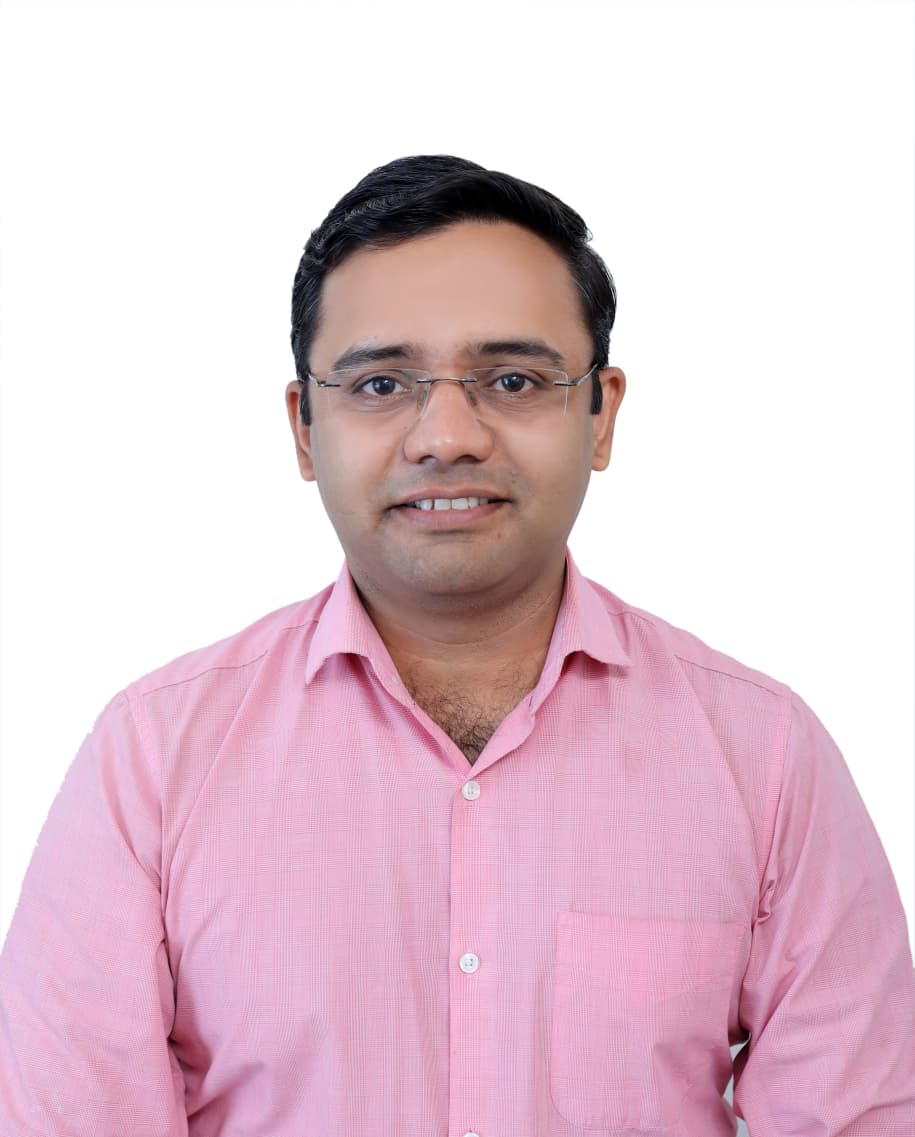
follows the approach of Abhinandan Tiwary, a Class 10 maths teacher for CBSE and ICSE students, and the science
advice that of Aaditya Kashyap, a science teacher for the same two boards.
CBSE beside the Maharashtra State Board
The two boards cover much of the same mathematics and science, but they package it differently. CBSE schools teach
from NCERT books and examine at the end of Class 10 and Class 12. The state board sets the SSC at the end of
Standard X, with its own textbooks and subject codes such as Mathematics (71), Science & Technology (72) and
Social Sciences (73), and the HSC at the end of Standard XII. A tutor who teaches both should be clear about which
paper your child will actually sit, because the question styles and the marking differ.
We do not publish how many Bhiwandi students follow each board; we have no reliable figures. What matters is the
match. Ask for a tutor who teaches CBSE regularly, not one who mainly teaches state-board students and adapts. For
the state side, see the Maharashtra Board tutor in
Bhiwandi page.
What each CBSE stage asks of a student
The CBSE years, and where a tutor fits
| Class | Who sets the paper | Typical difficulty | Useful tuition |
|---|
| 6 to 8 | The school | Fractions, decimals, reading a science paragraph closely | Basics repaired before new topics; working always shown |
| 9 | The school, 80-mark papers with 20 internal | Algebra and science step up together | Short tests after each chapter; deciding about the optional Advanced paper |
| 10 | CBSE, 80 marks plus 20 assessed by the school | Case-based items and full, tidy answers | CBSE's sample papers, checked the way its marking scheme checks them |
| 11 | The school | A steep start in physics, chemistry and maths | Solid ground laid before Class 12 begins |
| 12 | CBSE, theory plus practical or internal marks | The whole syllabus, often beside entrance preparation | One plan covering board and entrance |
A Class 10 student needs 33% in each subject to pass. Problems that appear "suddenly" in Class 9 algebra usually
started years earlier with fractions or simple equations, so tuition in Classes 6 to 8 should fix the base before
it pushes ahead.
Classes 9 and 10 under the 2026–27 curriculum
In Class 9 every student now writes a common 80-mark maths paper and a common science paper. Beyond these, a
student may opt for an Advanced paper of 25 marks in maths, in science, in both, or in neither; its questions are all
higher-order and draw on extra content. That score stays outside the aggregate, though a result of 50% or more is
noted on the marksheet. Treat Advanced maths as an option for a child who enjoys the subject, not as a repair job.
The Basic and Standard maths split is being phased out, and the 2026–27 Class 10 group is the last to take it.
Class 10 now has two board examinations. Everyone sits the first. A student who passes may take the second to
improve up to three subjects, chosen from science, mathematics, social science and the languages. Prepare for the first as
the one that counts; the second is a fallback.
Marks in the senior classes
Theory and practical split, 2026–27
| Subject (code) | Theory | Practical or internal |
|---|
| Physics 042, Chemistry 043, Biology 044 | 70 | 30, practical |
| Mathematics 041 or Applied Mathematics 241 (one only) | 80 | 20, internal |
| Economics 030, Business Studies 054, Accountancy 055 | 80 | 20, internal |
The board-year paper covers the full Class 12 syllabus, and the design is confirmed each year with the sample
paper on cbseacademic.nic.in, so make sure the tutor uses the current one. A science student who also prepares for
an entrance test needs written board answers kept alive: steps, units and labelled diagrams. See
JEE and NEET
home tutors in Bhiwandi for the entrance side, and our guide to
Class 12 physics for the board year.
Competency questions begin with reading
Roughly half the marks in a CBSE Class 10 paper come from competency items: a short case, a source passage, a data table or an
everyday situation, then questions checking that the idea can be applied. A child who knows the chapter can
still drop marks here, because the first task is reading. A good habit for every science session: one passage,
with the given facts underlined and the concept named before anything is written. In maths, the habit is to turn
the situation into an equation before working any numbers. The NCERT exemplar book and the board's sample papers
match the style closely; general worksheets rarely do.
What one good CBSE session looks like
For Classes 9 and 10, two shorter visits a week usually do more than a single long Sunday sitting. Each visit can
follow the same three steps. First, the latest school test: every mark lost is taken back to the NCERT explanation.
Second, one new idea, practised with the textbook exercise and then with an exemplar or competency item on the
same idea. Third, one answer written out in full and checked line by line for steps, units, diagrams and
presentation. A one-page note each month, listing chapters done, marks and repeated slips, lets you follow the
progress without sitting in.
When English is the school language but not the home language
Bhiwandi homes speak many languages, Urdu, Hindi, Marathi and Telugu among them. A CBSE student from such a home
may understand a science idea perfectly in conversation and still lose marks because the written English answer is
thin, or because a competency passage was misread. That is a reading and writing problem, not a subject problem,
and a tutor can treat it as one.
- Explain in whichever language works, then have the student write the answer in English, in full sentences.
- Keep a running list of subject words the student hesitates over, with meanings, and test it briefly each week.
- In social science and English, practise answers of the length the marking scheme expects, not shorter.
Our English home tutor in Bhiwandi page covers the
language papers themselves.
After Class 10: CBSE senior school or an HSC junior college?
Some Bhiwandi students finish CBSE Class 10 and move to a state-board junior college for Standards XI and XII.
The science carries over, but the books, subject codes and paper style change: HSC Physics (54), Chemistry (55)
and Biology (56), and Mathematics & Statistics in two versions, (40) for Arts and Science and (88) for
Commerce. A student who stays with CBSE keeps NCERT and the familiar sample papers. Either way, the weeks after
Class 10 are the time to read the opening chapters of the new course and look at how its questions are framed.
Our board and stream guide helps with the choice.
How CBSE tutors reach six Bhiwandi localities
- Ashok Nagar: CBSE and ICSE students live alongside state-board ones here, so state the board first. Write "Ashok Nagar, Bhiwandi" and Kalyan Road, as the name is used in many cities.
- Kamatghar: many housing societies and young families; give the society, building and flat number, and tell the guard the tutor's name and time before the first visit.
- Padma Nagar: often written together with Dhamankar Naka; for younger children, short lessons three times a week suit better than two long ones.
- Temghar: newer buildings may not show clearly on every map, so send a pin; the area is also spelt Themghar.
- Narpoli: give the gaon or colony name first, then the lane and a nearby chowk.
- Kaneri: central, around Kalyan Naka, so tutors from most sides can reach it; early afternoon is usually easier than the evening.
The Kamatghar, Narpoli and Anjur
Phata and Dhamankar Naka and Temghar
zone pages have more timing tips, and the Bhiwandi home tutors page lists
every locality.
At home or online?
A tutor in the room suits younger children, a student who drifts on screens, and any subject where each written
line matters: maths, physics numericals, chemical equations, accountancy formats. Online suits a quick doubt
session on a school day, a senior subject whose specialist lives elsewhere, and weeks when a parent who works in
Thane or Mumbai cannot be home. Many families keep one tutor for both. See
online tuition in Bhiwandi and the
home versus online comparison.
Questions to ask a CBSE tutor in the trial class
- Which year's sample paper and marking scheme do you work from?
- Can you take my child through one case-based question, reading first?
- How would you help a child who explains well aloud but writes short answers in English?
- Have you taught students moving between CBSE and the State Board, and what changes?
- What will you report to me each month: chapters, test marks, repeated mistakes?
You get two or three matched tutors, each fee is shown before the demo, the first class is free, and changing
tutor later costs nothing. Tutors who join go through an ID check; the Verified badge appears only after the ID
check is complete (how we check tutors).
Fees and how to start
Across NXTutors, most home-tuition sessions fall between ₹800 and ₹2,500 an hour; Classes 11–12, IB/IGCSE and JEE/NEET sit toward the upper end; specialists for IB HL or JEE Advanced can charge more.
For a CBSE student in Bhiwandi, the class, the number of subjects, how often you meet and the tutor's journey decide
where a quote lands. Read the pricing guide and
home tuition fees in Bhiwandi.
Send the class, subjects, your locality with a landmark, the language your child is most at ease in and the free
slots, then book a free demo. Subject pages for Bhiwandi include
maths and science;
our CBSE board hub goes deeper into how the board works; and CBSE
teachers can see tuition jobs in Bhiwandi.