CBSE families in Kalyan and Dombivli live in a city where most talk about exams means the SSC and HSC. Neighbours
compare notes on State Board papers, and plenty of tuition is built around them. A CBSE child needs something
different: NCERT read closely, answers framed the way the board's own sample papers ask, and care with the
competency questions that now fill a large share of each paper. This guide follows a CBSE student from Class 6
to Class 12, explains the 2026–27 changes, covers moves between boards and shows how tutors reach six localities
in Dombivli.
CBSE families in Kalyan and Dombivli
Both towns have State Board, CBSE and ICSE schools, and in the newer complexes of outer Dombivli East it is common
for families in one building to follow three different boards. That is useful to know when choosing a tutor. A
teacher who has spent years on SSC papers may be excellent, yet still mark a CBSE answer by the wrong standard,
or teach a chapter in the State Board order rather than the NCERT order. Ask every tutor which board they have
taught most recently, and for which classes.
Families also arrive here from other states, often mid-way through school, and a child may land in a CBSE school
with a different textbook history. The first month with a tutor should then go on finding the gaps, not on racing
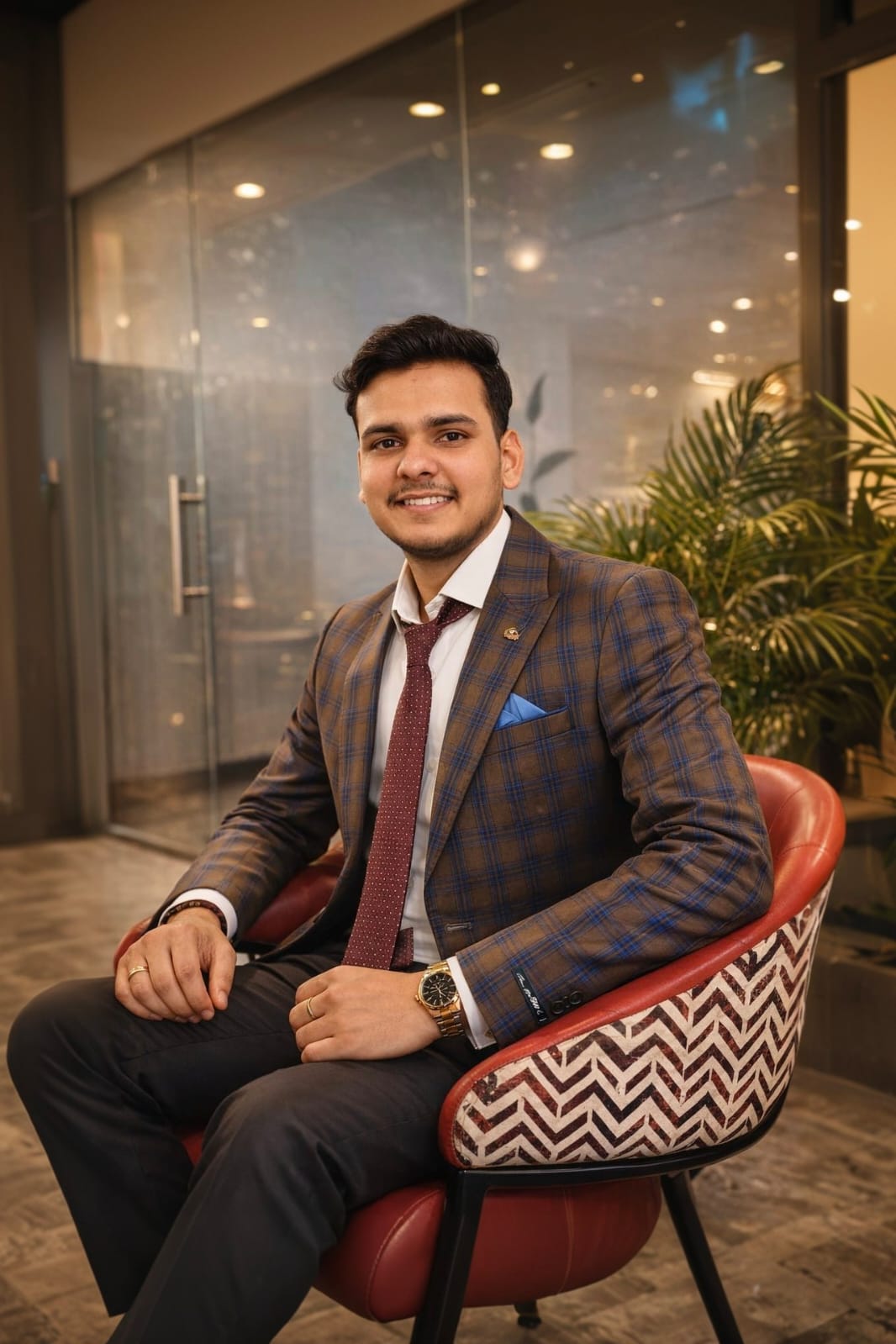
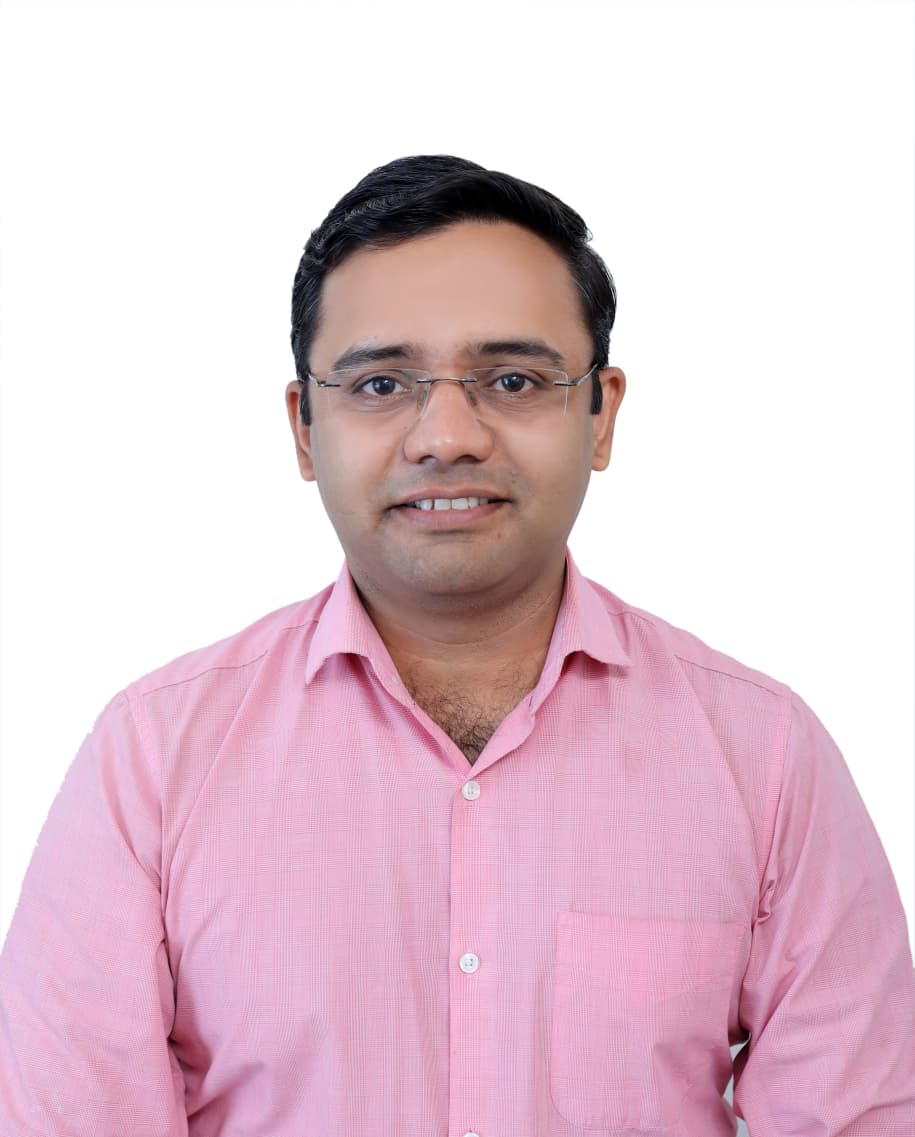
through the current chapter. Our two authors for this page work across both boards: Abhinandan Tiwary teaches
Class 10 maths for CBSE and ICSE, and Aaditya Kashyap teaches CBSE and ICSE science.
What a CBSE tutor does at each class
CBSE tutoring from Class 6 to Class 12
| Class | Exams | Common trouble | Tutor's focus |
|---|
| 6 to 8 | School tests only | Fractions, ratios and early algebra half understood | Number sense, neat working, reading NCERT science aloud |
| 9 | School exam, 80 written plus 20 internal | Algebra, geometry and three sciences all step up together | Chapter tests and a considered decision on the Advanced paper |
| 10 | Board, with a second sitting for improvement | Long answers that lose marks for missing steps | Sample-paper practice and answer structure |
| 11 | School exam | The jump in physics and maths; choosing maths or applied maths | Concepts first, then practicals and the journal |
| 12 | Board, theory plus practical or internal marks | Revising a wide syllabus while entrance work competes for time | Revision rounds and timed board papers |
Each Class 10 subject needs 33% to pass. Problems that seem to appear "suddenly" in Class 9 usually began in
Class 7 or 8, which is why a short catch-up on fractions or equations can be the most useful thing a tutor does
in the first weeks.
Classes 9 and 10 under the 2026–27 curriculum
The main secondary subjects carry 80 marks for the written paper and 20 for internal assessment, and about half
the questions are competency-focused. In Class 9, all students write a common maths paper and a common science
paper. Beyond those, a student may choose an Advanced paper of 25 marks in maths, in science, in both or in
neither. Its questions are all higher-order and include extra content; the marks do not enter the aggregate, but
a score of 50% or more is noted on the marksheet. Think of Advanced as a stretch for a child who enjoys the
subject, not a rescue for weak marks. Basic and Standard maths are being phased out, and students in Class 10
during 2026–27 are the last batch to take that split.
Class 10 now has two board examinations. The first is compulsory. A student who passes it may sit the second to
improve up to three subjects from science, mathematics, social science and the languages. Plan for the first
sitting as the real one; the second is a safety net, not a full repeat.
Classes 11 and 12: theory and the rest
How senior CBSE subjects are marked in 2026–27
| Subject (code) | Theory + practical or internal | What tutoring should protect |
|---|
| Physics (042), Chemistry (043), Biology (044) | 70 + 30 | The practical file and viva, not just theory |
| Mathematics (041) or Applied Mathematics (241), one only | 80 + 20 | The right choice in Class 11, then steady practice |
| Accountancy (055), Economics (030), Business Studies (054) | 80 + 20 | Formats, case answers and project work |
Science students in Kalyan-Dombivli often prepare for JEE, NEET or MHT-CET at the same time. Agree early which
weeks belong to board practicals and pre-boards. Our JEE
and NEET pages for the city explain how entrance work
fits around them, and our Class 12 physics
strategies help with the hardest board paper for many students.
Competency questions are reading questions first
A competency question usually opens with a short passage, a table or a situation from daily life, and only then
asks something. Many students know the science or maths perfectly well and still lose marks, because they skim
the set-up and answer a question that was not asked. This is more common when English is not the language a
child thinks in.
- Have your child underline what the question actually wants before writing a word.
- Practise with the board's sample papers, not only with guidebooks.
- After each practice paper, sort lost marks into "did not know" and "misread", and treat them differently.
Moving between CBSE and the State Board
Families in Vishnu Nagar and elsewhere sometimes move a child from a State Board school to a CBSE school, or the
reverse, in the middle years. Maths and science chapters arrive in a different order, and the style of question
changes. The State Board examines SSC maths, science and social sciences under its own codes (71, 72 and 73), and
the HSC science subjects under 54, 55 and 56; CBSE follows NCERT with its own patterns.
What to bridge after a change of board
| Move | Usual gap | First month with the tutor |
|---|
| State Board to CBSE, Class 8 or 9 | NCERT chapters in a different order; competency questions are new | Map the old chapters against NCERT and fill missing topics |
| CBSE to State Board, Class 8 or 9 | State textbook order; SSC question formats | Work through the state textbook's exercises and board-style answers |
| CBSE to HSC after Class 10 | Junior college pace and HSC subject codes such as 40 or 88 for maths | Pick the right maths, then read the board's scheme together |
The Maharashtra Board home tutor in
Kalyan-Dombivli page covers the State Board side in more detail.
Home language, school language
Homes across Kalyan-Dombivli speak Marathi, Hindi, Gujarati, Urdu, Malayalam, Tamil, Kannada and other
languages, while a CBSE school usually teaches in English. A child can follow a lesson and still struggle to write
the answer down. A tutor can let the child explain in their own words first and then shape that into a written
answer. If your child studies Marathi as a language at school without speaking it at home, mention it in the
request; weekly support from the middle-school years can stop it becoming the weakest paper.
Getting a CBSE tutor to six localities
- Vishnu Nagar. Central Dombivli West, where older buildings often house three generations, so an adult is usually home for evening sessions. Board switches are common here; say which board your child is leaving.
- Navapada. A residential pocket near Vishnu Nagar and Shastri Nagar. Families here often want English writing help as well as maths and science.
- Gopal Nagar. A Dombivli East colony with many young families. For Classes 6 to 8, shorter sessions on more days work well.
- Tilak Nagar. A settled part of Dombivli East where many homes have a child in Class 10 or 12. Ask for a month-by-month revision calendar up to the boards.
- Sagaon. Newer complexes with towers and wings, where three boards can share one building. Give the tower, wing and gate.
- Nandivli. An older village core among newer buildings near Tukaram Nagar. Ask for a tutor who can explain in a language your child is comfortable with.
See the Dombivli West,
Dombivli East and
Sagaon and Sonarpada zone pages, the
Kalyan-Dombivli home tutors page for every locality, and the
Kalyan-Dombivli home tuition guide.
For Classes 6 to 10, a tutor at the table usually works well: neat working and diagrams are easier to correct in
person. In Classes 11 and 12, many families keep maths or physics at home and move chemistry, biology recall or
a commerce subject online. A mix also helps on the outer side of Dombivli East, where fewer tutors may live close
by. Our online tuition in Kalyan-Dombivli page explains
how online lessons are set up. For subject pages, see
maths and
science in Kalyan-Dombivli.
Questions for a CBSE tutor at the demo
- Which classes have you taught for CBSE recently, and do you use the board's sample papers?
- How would you check a Class 9 child's readiness for the Advanced paper, if at all?
- Can you show how you would mark one long answer from my child's last test?
- How would you handle a competency question that starts with a table or a passage?
- Which weekly slot and route can you keep for the whole year?
If the answers are vague, ask for another demo; changing tutor later is free too. Our
demo class checklist adds more checks.
Fees and getting started
Across NXTutors, most home-tuition sessions fall between ₹800 and ₹2,500 an hour; Classes 11–12, IB/IGCSE and JEE/NEET sit toward the upper end; specialists for IB HL or JEE Advanced can charge more.
Each tutor sets a rate, shown on the profile before the demo. The pricing
guide and the Kalyan-Dombivli fees post
explain what shapes a tutor's rate.
Send the class, subjects, school timings and your locality with a landmark. We match two or three tutors, and the
first class is a free demo. Tutors who join go through an ID check; the
Verified badge appears only after the ID check is complete (read
about the ID check). ICSE families can read ICSE home
tutor in Kalyan-Dombivli, and teachers can browse
Kalyan-Dombivli tuition jobs.