Verified
Sanjay Krishna Agnihotry
In Uttar Pradesh
Greater Noida
Teaches Maths
- Experience
- 25+ yrs
- Fee
- ₹500/hr
CBSE tutors who teach to the board's own paper design, in a town where CBSE and UP Board students often live on the same lane.
 Guide by Abhinandan Tiwary with Aaditya Kashyap · Maths tutor · Class 10 CBSE and ICSE specialist
Real tutors first; sample profiles are marked. We suggest suitable tutors, and you meet one at a free demo class.
View all tutors →
In Uttar Pradesh
Greater Noida
Teaches Maths
In Uttar Pradesh
Indirapuram, Ghaziabad
Teaches Maths · Science · English
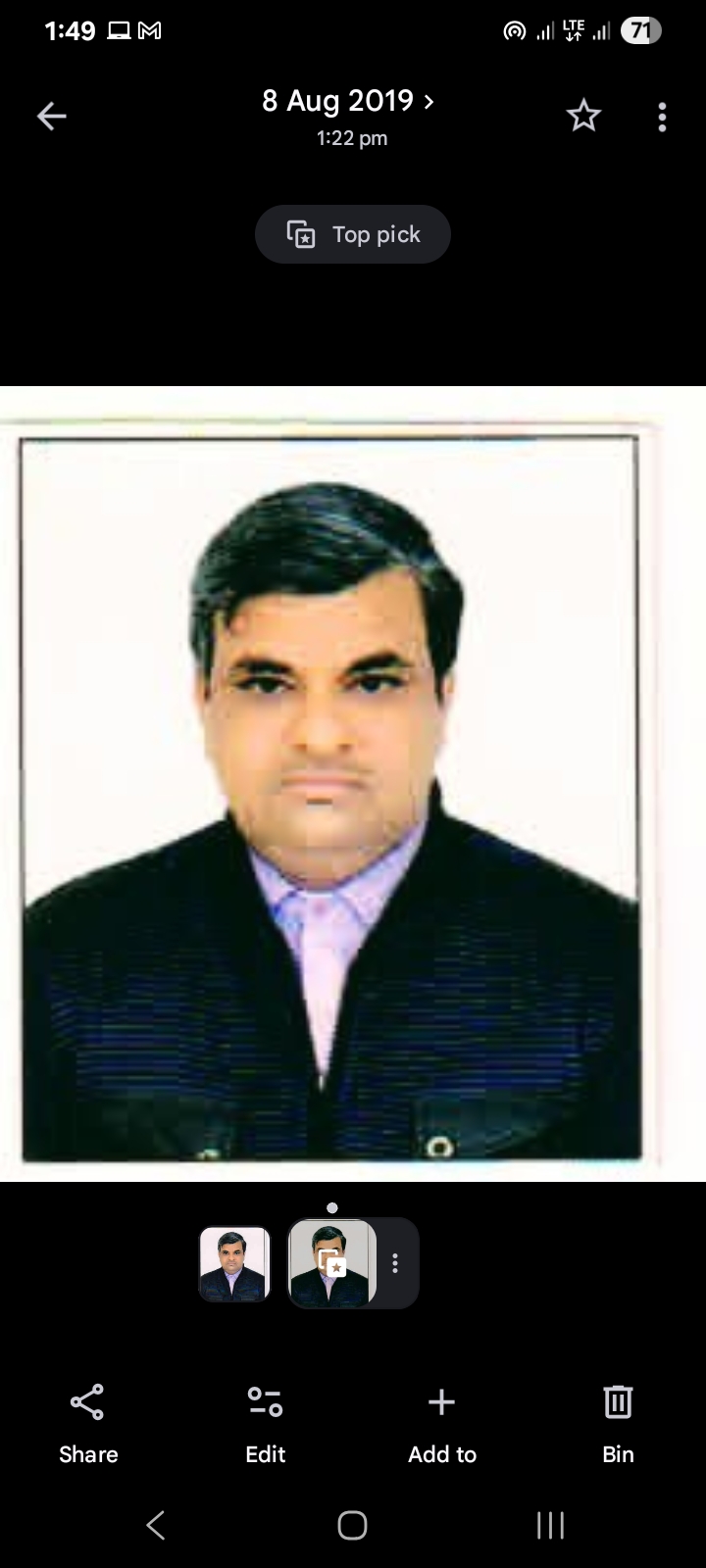
In Uttar Pradesh
Lucknow
Teaches Physics · JEE
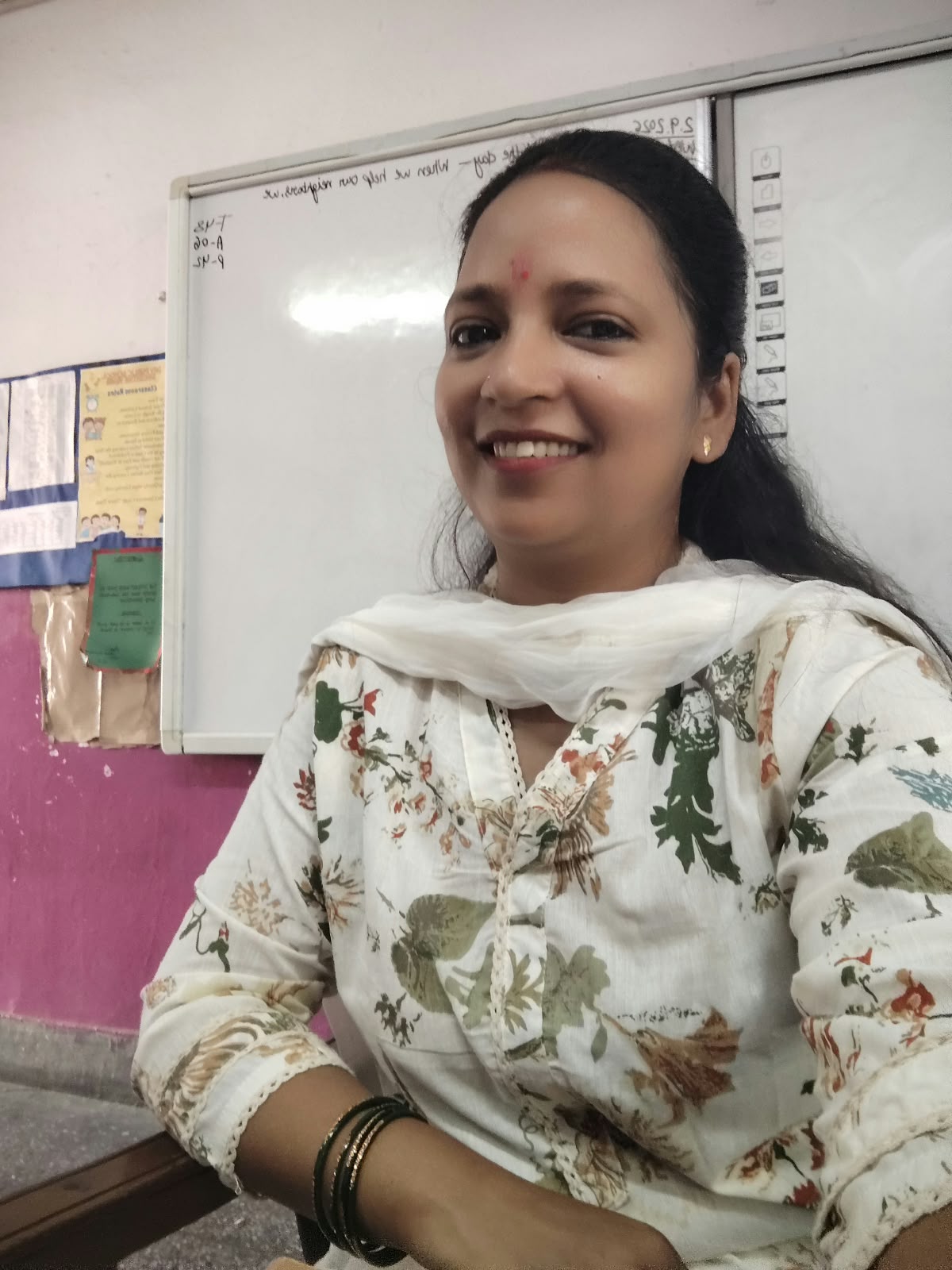
In Uttar Pradesh
Sahibabad & Rajendra Nagar, Ghaziabad
Teaches Hindi
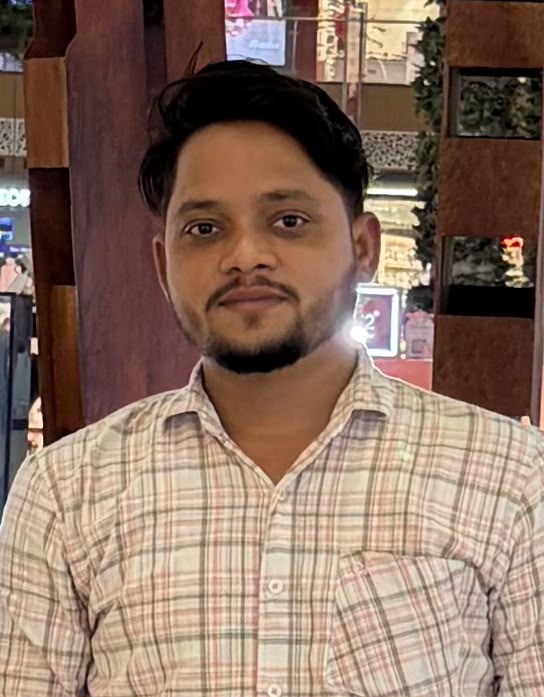
In Uttar Pradesh
Sector 81, Noida
Teaches Maths · Science
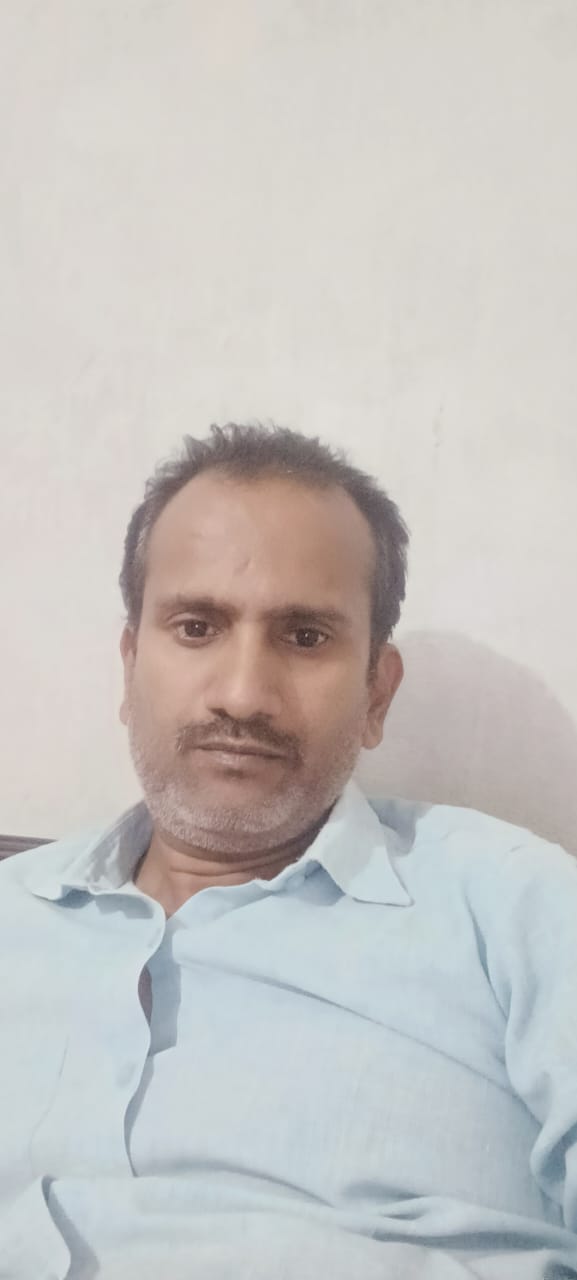
In Uttar Pradesh
Sahibabad & Rajendra Nagar, Ghaziabad
Teaches Maths · Physics
In Uttar Pradesh
Agra
Teaches Science
In Uttar Pradesh
Sector 34, Noida
Teaches Accountancy · Economics
Tutors who join go through an ID check. Tell us the class, board and your area: we share two or three matched tutors, each with their fee, and the first class is a free demo, at home or online.
Book a free demo classAcross NXTutors, most home-tuition sessions fall between ₹800 and ₹2,500 an hour; Classes 11–12, IB/IGCSE and JEE/NEET sit toward the upper end; specialists for IB HL or JEE Advanced can charge more. Tutors set their own fee, and you see each tutor's fee before the demo class.
Monthly example: 3 one-hour classes a week ≈ ₹9,600–₹32,500 a month (12–13 classes at ₹800–₹2,500 an hour). An example, not a quote: your tutor's own fee decides the real figure.
See a monthly example and why one-to-one tuition costs more →
NXT AI can make mistakes. Please verify important details. Continue on WhatsApp
In Loni, a CBSE student may live next door to a UP Board student, and some children cross into Delhi for school while others study in town. The books often look alike, since both courses lean on NCERT, but the papers and the marking do not. A CBSE tutor here needs to teach to CBSE's own design: competency questions, internal marks and, in Class 10, a choice of two board sittings. This page explains what CBSE asks for at each stage, how its Class 12 scheme differs from the UP Board's, what a useful home session contains, and how tutors reach each part of Loni. It is written for parents of children in Classes 6 to 12.
Loni sits on the Delhi border in Ghaziabad district. Families here study under CBSE, the UP Board and ICSE, and one street can hold all three. Near the border, children attend schools on both sides, so a CBSE student may live in Loni and study in Delhi, or the other way round. One household can hold the whole mix: a CBSE Class 10 student who needs maths, a younger sibling who needs every subject, and a cousin in a UP Board school who writes in Hindi. Telling us the board and the medium is the first thing that sorts the right tutor from the wrong one.
Parents often assume that two boards built on NCERT content must set similar papers. The official files for 2026-27 show where they agree and where they part.
| Subject | CBSE | UP Board |
|---|---|---|
| Physics | 70 theory, 30 practical (042) | 70 paper, 30 practical, with minimums of 23 and 10 (151) |
| Chemistry | 70 theory, 30 practical (043) | 70 paper, 30 practical, minimums 23 and 10; at least 8 marks numerical (152) |
| Biology | 70 theory, 30 practical (044) | 70 written, 30 practical (153) |
| Mathematics | 80 theory, 20 internal (041), or Applied Mathematics (241) instead | One 100-mark paper of three hours, no internal part; calculus alone is 44 (131) |
The sciences line up closely. Maths does not: a CBSE student earns 20 marks through the year, while a UP Board student's whole result rests on one paper. That changes how a tutor plans revision, and it matters to a family thinking of moving a child between the two. For the state board's own detail, see our UP Board tutor in Loni page.
| Class | Who examines | Where students slip | What a tutor does |
|---|---|---|---|
| 6 to 8 | The school | Fractions, integers, reading a long science question | Fixes basics and insists on written working |
| 9 | The school, 80 marks plus 20 internal | Algebra and science step up together | Short chapter tests; advice on the Advanced paper |
| 10 | CBSE, 80 plus 20 school-assessed | Case-based items; complete, tidy answers | Sample papers marked against the official scheme |
| 11 | The school | The sudden depth of physics, chemistry and maths | Builds the base before the board year |
| 12 | CBSE, theory plus practical or internal marks | Full-syllabus revision beside entrance plans | One calendar covering both |
Each Class 10 subject needs 33% to pass. Problems that seem to start in Class 9 often began years earlier with fractions or simple equations, so tuition for younger children should repair gaps before pushing ahead.
In the 2026-27 curriculum, every Class 9 student sits a common 80-mark paper in maths and in science. A student may also choose an Advanced paper of 25 marks in maths, science, both or neither; its questions are all higher-order and built on extra content. Those marks stay outside the aggregate, though a score of 50% or more is noted on the marksheet. The older Basic and Standard maths split is ending, and the 2026-27 Class 10 group is the last to take it. Treat Advanced as an option for a child who already enjoys the subject, not as a remedy.
Class 10 now has two board examinations. The first is compulsory. A student who passes may take the second to improve marks in up to three of science, maths, social science and the languages. Prepare for the first as if it were the only one.
Around half of a CBSE secondary paper is competency-focused: a short case, a data table or an everyday situation, then questions that test whether the idea can be used. Children who have learnt answers by heart often lose marks here, because the first step is careful reading. A tutor can build the habit in a few minutes of every session. In science, the student marks what the passage gives and names the concept before writing. In maths, a word problem becomes an equation before any number is touched. For a Hindi-speaking child in an English-medium CBSE school, reading the passage aloud and retelling it in their own words is a useful first step. NCERT exemplar questions and CBSE's own sample papers are the right material for it.
Some families change boards, for example between Class 10 and Class 11, or when a move across the border changes the school. The content gap is usually small; the habits gap is larger. A student coming to CBSE from the UP Board is used to long written answers and may find competency items and internal assessment unfamiliar. One going the other way meets a single 100-mark maths paper with no internal marks, and, in a Hindi-medium school, technical terms in a new language. Tell us about any change in the request, so the tutor can spend the first weeks closing those gaps rather than starting from page one.
For subject help, see the Loni maths, science, English and physics pages, the national Class 10 maths page, and our guides to Class 10 science and Class 12 calculus and algebra.
| Locality | What families here often ask for | Address tip |
|---|---|---|
| Behta Hajipur | Board help, and for some, early entrance foundation from Class 9 | Say whether you are nearer NH-709B or the Loni-Ghaziabad Road |
| Dharoti Khurd | Primary classes, with one tutor for every subject | Dharoti Khurd, Behta Hajipur, then plot number and a shop |
| Indraprastha Yojna | Class 11 commerce and humanities, with regular written answers | Pocket, block, flat number and the entrance to use |
| Mandola | Class 9 maths, where algebra and geometry step up | Block and flat number in Mandola Vihar, and the gate |
| Pavi Sadakpur | English and Hindi writing for the board years | Gali and house number; nearer Rampark or Mandola |
| Pooja Colony | Lessons on fixed weekdays; sometimes a woman tutor | Gali and house number, and a Rampark landmark |
Zone pages: Behta Hajipur and Banthla, Tronica City and Mandola and Rampark and Khanna Nagar. Every locality is on the Loni home tutors page. Next door, see CBSE home tutors in Ghaziabad and our Delhi page.
For Classes 6 to 10, a home tutor is usually the better start: the tutor sees the notebook, the handwriting and the way the child sits to work. In Classes 11 and 12, an online specialist for one subject often makes sense, especially where long parent shifts leave only late slots. Many Loni families mix the two: a home tutor for most subjects and one online tutor for the hardest. Our online tuition in Loni page and the home or online tutor comparison help you choose.
We send two or three matched tutors, and switching tutor later is free. Our demo class checklist has more ideas.
Across NXTutors, most home-tuition sessions fall between ₹800 and ₹2,500 an hour; Classes 11–12, IB/IGCSE and JEE/NEET sit toward the upper end; specialists for IB HL or JEE Advanced can charge more. Each tutor sets their own fee, and you see it before the demo. The pricing guide and our post on home tuition fees in Loni explain what moves it.
Send the class, subjects, board, medium, your locality with a landmark, and the days that suit you. The first class is a free demo. Tutors who join go through an ID check; the Verified badge appears only after the ID check is complete (how we check tutors). Browse tutor profiles, read our Loni home tuition guide, or, if you teach CBSE subjects, see tuition jobs in Loni.
Across NXTutors, most home-tuition sessions fall between ₹800 and ₹2,500 an hour; Classes 11–12, IB/IGCSE and JEE/NEET sit toward the upper end; specialists for IB HL or JEE Advanced can charge more. Every CBSE tutor who teaches in Loni sets their own fee, and you see it before the demo class is booked.
You can start as soon as you send the class, subjects, board, medium and your Loni locality with a landmark. We come back with two or three matched tutors, each fee shown up front, and the first class is a free demo. If the tutor does not suit, switching later is free.
CBSE Class 12 maths is marked as 80 theory and 20 internal marks in the 2026-27 curriculum, while the UP Board sets one 100-mark paper with no internal part. In the UP Board file, calculus alone carries 44 marks. A tutor plans revision differently for each.
Yes, the Class 12 science papers are similar in shape, since both boards give physics, chemistry and biology 70 theory marks and 30 practical marks in 2026-27. The UP Board also sets separate minimums of 23 and 10 in physics and chemistry. Question style and answer length still differ.
The tutor should first check the old notebooks and then practise CBSE competency and case-based questions, which UP Board students may not have met. Learning how CBSE internal marks are earned and working from the current sample paper fill most of the remaining gap within the first few weeks.
A Loni CBSE student should take the Class 9 Advanced paper only if they already enjoy that subject and are comfortable with the common paper. The 25-mark Advanced paper uses higher-order questions on extra content, and its marks stay outside the aggregate, with 50% or more noted on the marksheet.
Yes, CBSE Class 10 now has two board examinations, and the first one is compulsory for every student. A student who passes may take the second to improve marks in up to three of science, maths, social science and the languages, so treat the first as the real attempt.
A CBSE tutor can help by reading each competency passage aloud with the child and asking for a retelling in their own words before any answer is written. Explaining a hard idea in Hindi first, then writing it in English, builds the reading habit CBSE papers need.
Classes 6 to 10 in Loni usually do better with a home tutor, who can see the notebook, the handwriting and the way the child works. In Classes 11 and 12, adding an online specialist for one hard subject often fits families whose evenings are limited by shifts.
Loni parents should ask which CBSE classes the tutor has taught recently and how they prepare students for competency questions. Ask whether they use the current sample paper and marking scheme, how they track internal marks, and what they would check first for a child changing board.
Tell us the class, board and your area. We share two or three matched tutors, and the first class is a free demo.