
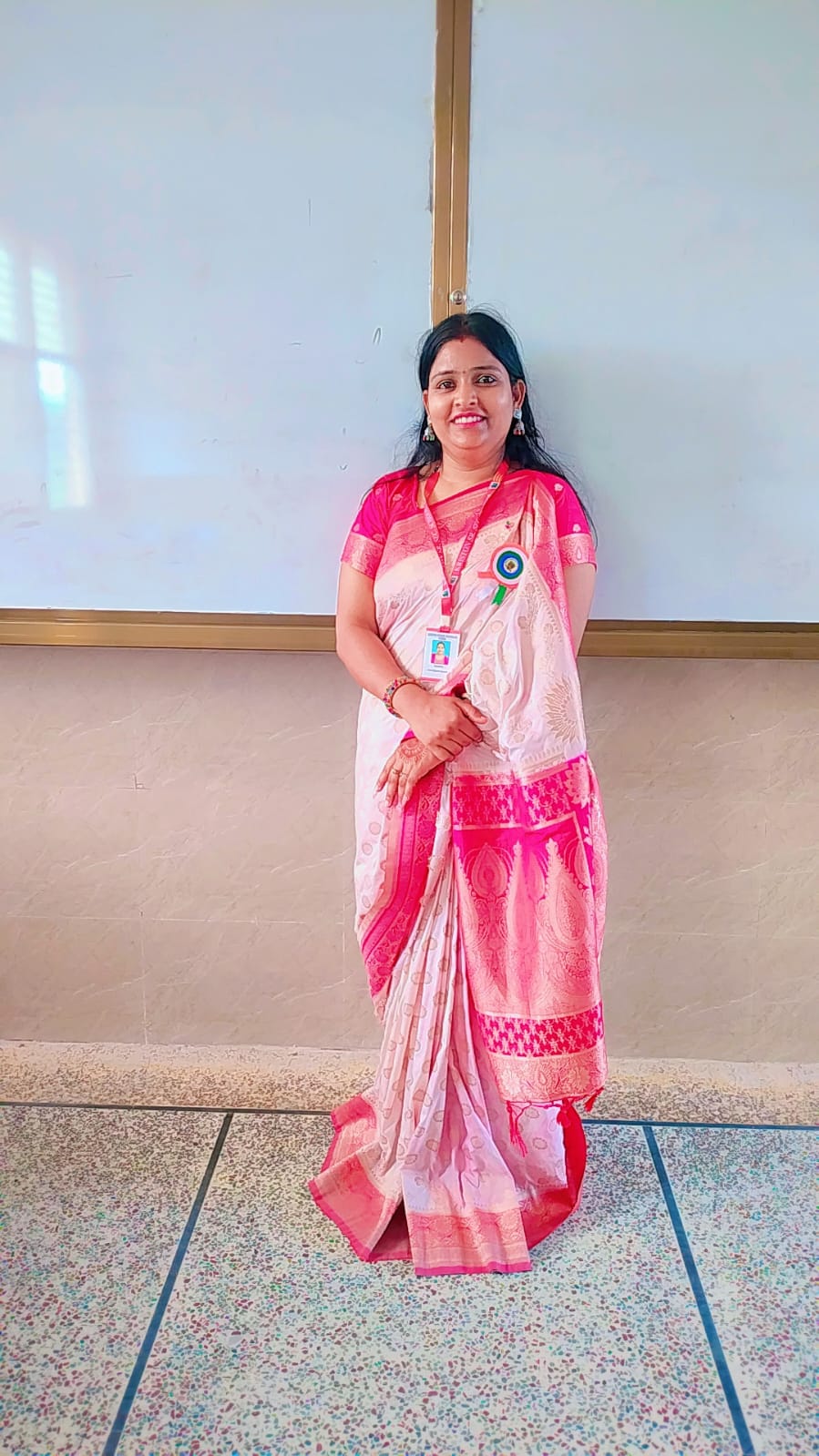
Verified · Woman tutor
हर्षिता
In Agra
Agra
- Experience
- 6+ yrs
- Fee
- ₹1/hr
CBSE tutors who do NCERT properly, train full written answers and keep board marks safe while coaching takes the evenings.
 Guide by Abhinandan Tiwary with Aaditya Kashyap · Maths tutor · Class 10 CBSE and ICSE specialist
Real tutors first; sample profiles are marked. We suggest suitable tutors, and you meet one at a free demo class.
View all tutors →
In Agra
Agra

In Agra
North Agra (Kamla Nagar and Dayal Bagh), Agra
Teaches Maths · Science
In Agra
Agra
In Agra
Agra
Tutors who join go through an ID check. Tell us the class, board and your area: we share two or three matched tutors, each with their fee, and the first class is a free demo, at home or online.
Book a free demo classAcross NXTutors, most home-tuition sessions fall between ₹800 and ₹2,500 an hour; Classes 11–12, IB/IGCSE and JEE/NEET sit toward the upper end; specialists for IB HL or JEE Advanced can charge more. Tutors set their own fee, and you see each tutor's fee before the demo class.
Monthly example: 3 one-hour classes a week ≈ ₹9,600–₹32,500 a month (12–13 classes at ₹800–₹2,500 an hour). An example, not a quote: your tutor's own fee decides the real figure.
See a monthly example and why one-to-one tuition costs more →
NXT AI can make mistakes. Please verify important details. Continue on WhatsApp
A CBSE student in Agra is usually juggling more than one set of demands: the school's NCERT-based course, internal assessment and practicals, and from Class 11 often a JEE or NEET batch as well. A home tutor is worth the hour when the job is clear. In the middle years it is repair: closing gaps before they compound. In Classes 9 and 10 it is the new curriculum's competency questions and the two board exams. In the senior years it is keeping board marks intact while entrance work takes the evenings. This page covers each stage, how CBSE differs from the UP Board many Agra families also know, how tutors reach your part of the city, and what to check in the free demo. Class 10 maths guidance on NXTutors is written by Abhinandan Tiwary, who teaches Class 10 CBSE and ICSE maths, and science guidance by Aaditya Kashyap, who teaches CBSE and ICSE science.
Schools in Agra follow several boards, among them CBSE, CISCE (ICSE and ISC) and the state's own UP Board. We do not hold figures for each and will not guess them. What matters for tuition is how the papers differ, because a tutor who has mostly taught one board brings that board's habits.
| Point | CBSE | UP Board (UPMSP) |
|---|---|---|
| Written paper | 80 marks in major subjects | 70 marks |
| School-assessed share | 20 marks of internal assessment | 30 marks: project work in maths; practical and project work in science |
| Question style | About half the paper competency-based: cases, data, applications | Set out in the board's own syllabus and model papers |
| Where to read the rules | cbseacademic.nic.in curriculum and sample papers | upmsp.edu.in syllabus files, published in Hindi |
The UP Board's Class 9 science syllabus groups the year into four units (matter, organisation in the living world, motion, force and work, and food production), much of which a CBSE student also meets in NCERT. The real difference is the paper: CBSE's competency questions ask the student to read a passage or a data set and apply an idea, and its marking rewards each step. A child switching boards should spend the first few weeks on the new board's question style and answer format, not on chapters already learnt. For the state board, see our UP Board tutors in Agra page.
| Class | Assessment | Ask the tutor for |
|---|---|---|
| 6 to 8 | School exams | Secure fractions, decimals, negative numbers and early algebra; neat working; careful reading of science text |
| 9 | School paper of 80 plus 20 internal; optional Advanced paper in maths or science | A test record per chapter, and an honest view on whether Advanced suits your child |
| 10 | Board paper of 80 plus 20 school-assessed; two board exams in the year | Current sample papers marked to the official scheme; a plan aimed at the first exam |
| 11 | School exams | A solid start in physics, chemistry and maths, often while a batch begins |
| 12 | Board theory plus practical or internal marks | One revision plan that also serves entrance preparation |
Each subject needs at least 33% to pass at Class 10. Children who suddenly struggle in Class 9 maths usually carry an older gap in fractions or algebra; a good tutor spends the first weeks finding it rather than racing into new chapters.
In Class 9 every student sits a common 80-mark paper in maths and in science. Beyond that, a student may choose an Advanced paper in one, both or neither: 25 marks in an hour, made entirely of higher-order questions on additional content. Those marks stay outside the aggregate, and a score of 50% or more is recorded on the marksheet. The old Basic and Standard split in maths is being phased out; the 2026-27 Class 10 batch is the last to finish under it. Our advice: choose Advanced only where your child is already comfortable, and never at the cost of the common paper.
Class 10 now has two board exams. The first is compulsory for everyone. A student who passes may take the second to improve marks in up to three subjects among science, maths, social science and the languages. Treat the first as the real exam and the second as a safety net, not as a plan. The third language in the transition years is assessed by the school, without a board paper. Our Class 10 maths preparation guide and Class 10 science notes give a workable order for the year.
| Subject (code) | Theory | Practical or internal |
|---|---|---|
| Physics (042), Chemistry (043), Biology (044) | 70 | 30 practical |
| Mathematics (041) or Applied Mathematics (241), only one | 80 | 20 internal |
| Accountancy (055), Economics (030), Business Studies (054) | 80 | 20 internal |
In the sciences, nearly a third of the marks come from practical work, so a tutor should keep an eye on the practical file even if they never set foot in the lab. The board releases a fresh sample paper each year, and that is the document a tutor should teach from. For the Class 12 year, see our guides to physics, organic and inorganic chemistry and calculus and algebra.
NCERT sits under both the CBSE paper and the JEE and NEET syllabi, so careful textbook work is never wasted. The usual weakness in entrance students is the opposite of what parents expect: after months of multiple-choice practice, their written board answers become thin, unstructured and short of units. A CBSE tutor working alongside a batch should:
For the entrance side, see JEE home tutors in Agra and NEET home tutors in Agra.
An hour that works usually has three parts. It opens with the student's own attempt at something from school, marked in front of them, so the tutor sees real errors rather than guessing. The middle part teaches one idea properly, starting from the NCERT explanation and moving to exemplar and competency questions on the same idea. The last part is writing: one board-style answer produced against the clock and marked for steps and presentation. If your child follows explanations more easily in Hindi but writes the paper in English, the tutor can explain in Hindi and still insist on a clean English answer. Ask for a short monthly note covering chapters done, test marks and the mistakes that keep returning.
Subject pages for Agra: maths, science, physics, chemistry, biology and English. The national CBSE board hub explains the board in more depth.
| Locality | Housing and access | Timing tip |
|---|---|---|
| Shahganj | Two-bedroom apartments and houses in the lanes; let the guard know the tutor is coming | Market roads build up in the evening; fix one time at the start |
| Sadar Bazaar | Apartments and older homes by the market; cantonment homes may have entry checks | Come before or after the evening shopping crowd |
| Fatehabad Road | Apartment buildings record visitor details at the gate; the Yellow Line has a station here | Plan around the busier hours on the main road |
| Tajganj | Old houses, newer apartments and villas; narrow older lanes | Visitor traffic near the monument areas eases at some hours; choose those |
| Rambagh | Houses and flats on the east bank; give the crossing or a shop as a landmark | Avoid office hours on the bridge approaches |
| Trans Yamuna Colony | Mostly two-bedroom homes, houses and flats; autos and cabs through the day | Agree a time that misses the slowest stretch over the river |
The zone pages cover the rest: North Agra, West Agra, Central Agra and Cantt, South Agra and Trans-Yamuna. Every locality is on the Agra home tutors page.
Home suits younger children, anyone who drifts on a screen, and any subject where the tutor has to see each line of working: maths, physics numericals, chemical equations, accountancy formats. Online suits a quick doubt session on a batch day, a senior subject whose right tutor lives across the river, and days when the heat or a crowded road makes travel unreasonable. Many families keep one tutor and use both formats. The online tutors for Agra page and our home versus online comparison set out the trade-offs.
You get two or three matched tutors with each fee shown up front, a free first class, and a free switch later if needed. Tutors who join go through an ID check. The demo class checklist has more ideas.
Across NXTutors, most home-tuition sessions fall between ₹800 and ₹2,500 an hour; Classes 11–12, IB/IGCSE and JEE/NEET sit toward the upper end; specialists for IB HL or JEE Advanced can charge more. The class, the number of subjects, how many sessions a week and the tutor's route all affect a quote; see the pricing guide and home tuition fees in Agra.
Send the class, subjects, locality with a landmark, the language your child is most comfortable in, and your free slots, then book a free demo. You can browse tutor profiles first, and the Agra home tuition guide covers each part of the city. If you teach CBSE subjects, see tuition jobs in Agra.
In Classes 6 to 8, repairing gaps in fractions, algebra and science reading. In Classes 9 and 10, competency questions, sample papers and full written answers. In Classes 11 and 12, physics, chemistry, maths, biology or commerce subjects, often alongside a JEE or NEET batch, while keeping practical files and internal work on track.
In Class 9 for 2026-27, CBSE uses an 80-mark paper plus 20 internal marks in major subjects, with about half the questions competency-based. The UP Board's Class 9 maths and science papers carry 70 marks, with 30 for project or practical work. A tutor should know which pattern your child faces.
Only if the subject already feels comfortable. The optional Advanced paper in maths or science carries 25 marks over an hour, all higher-order questions on extra content. It stays outside the aggregate, and 50% or above is noted on the marksheet. The common 80-mark paper must stay the priority throughout the year.
Everyone sits the first board exam. A student who passes may take the second to improve marks in up to three subjects among science, maths, social science and the languages. Prepare for the first as the real exam; the second is a safety net. Confirm details for your year on the CBSE academic site.
Yes, and that is a common reason to hire one. The tutor returns to NCERT chapters the batch rushed, sets one fully written answer each session marked for steps and units, and checks the practical file. Board practice should start well before the board, without dropping the entrance routine entirely.
We look for tutors who can reach your locality, including Trans Yamuna Colony and Rambagh on the east bank. Bridge approaches are slowest at office hours, so agree a time that avoids them. Where no suitable tutor lives on your side of the river, an online tutor or a home and online mix works.
Across NXTutors, most home-tuition sessions fall between ₹800 and ₹2,500 an hour; Classes 11–12, IB/IGCSE and JEE/NEET sit toward the upper end; specialists for IB HL or JEE Advanced can charge more. Each tutor sets their own fee, shown before you book a free demo class.
Share the class, subjects, your locality with a landmark, the language your child prefers and your free slots. We send two or three matched tutors with their fees, and the first class is a free demo. Ask which sample paper they teach from. If the tutor is not right, switching later is free.
Tell us the class, board and your area. We share two or three matched tutors, and the first class is a free demo.
