
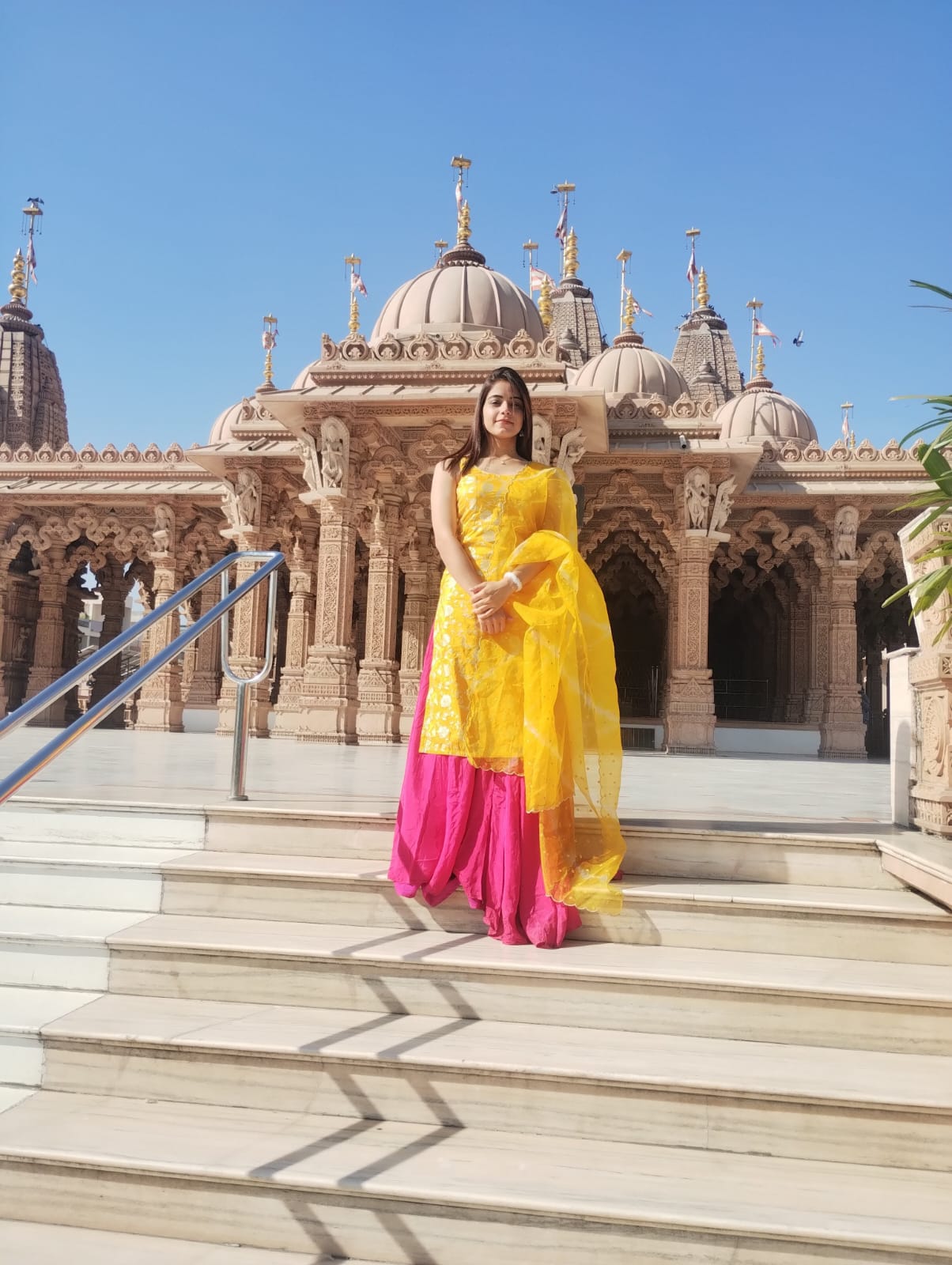
Verified · Woman tutor
My self Anita Choudhary
In Gorakhpur
Gorakhpur
Teaches Maths · Science
- Fee
- ₹1,000/hr
Science tutors across Gorakhpur, at home or online, for the middle-school years and the Class 10 board.
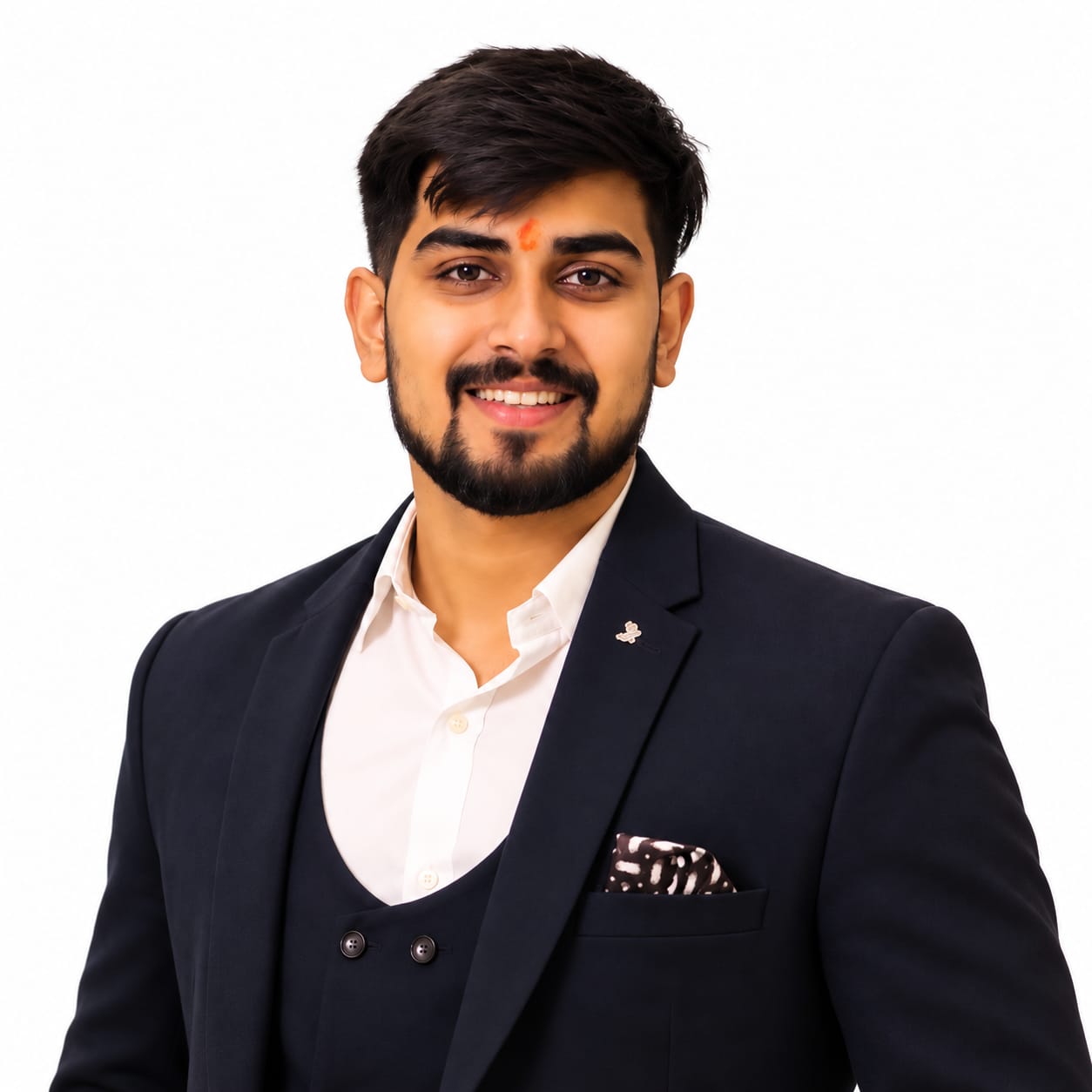 Guide by Aaditya Kashyap · Science tutor · CBSE and ICSE
Real tutors first; sample profiles are marked. We suggest suitable tutors, and you meet one at a free demo class.
View all tutors →
In Gorakhpur
Gorakhpur
Teaches Maths · Science
In Uttar Pradesh
Indirapuram, Ghaziabad
Teaches Maths · Science · English
In Uttar Pradesh
Sector 81, Noida
Teaches Maths · Science
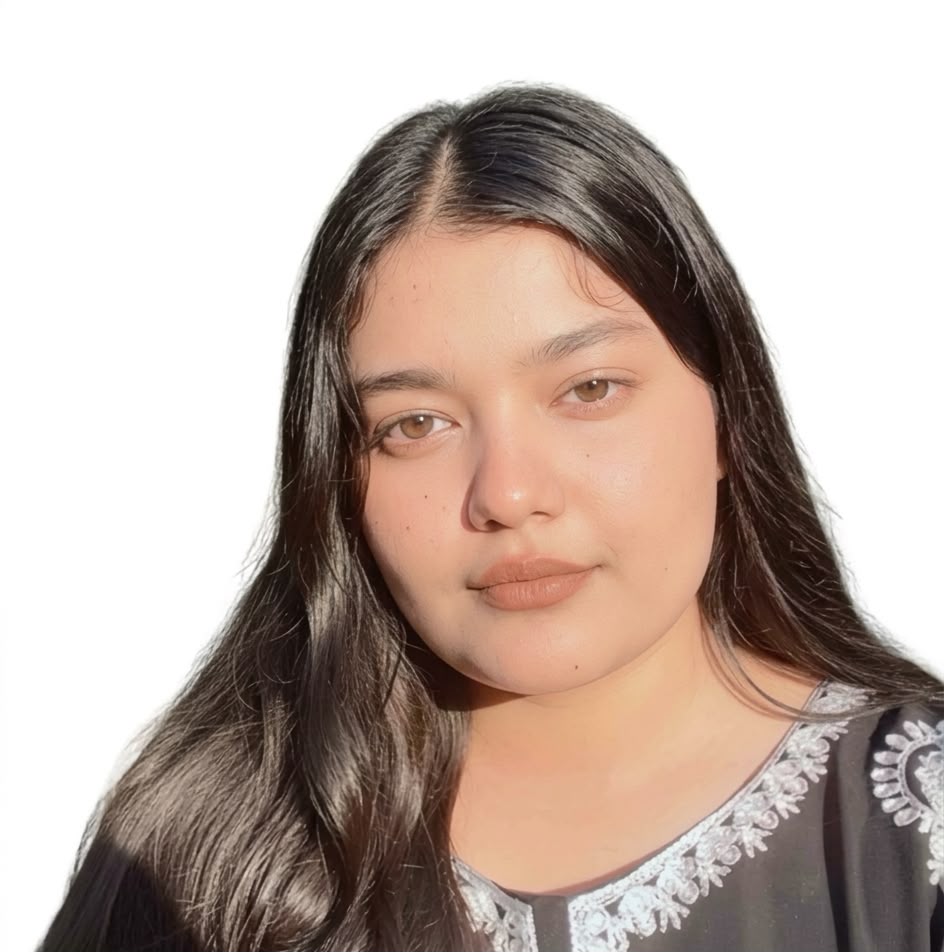
In Uttar Pradesh
Sector 76, Noida
Teaches Maths · Science · Hindi
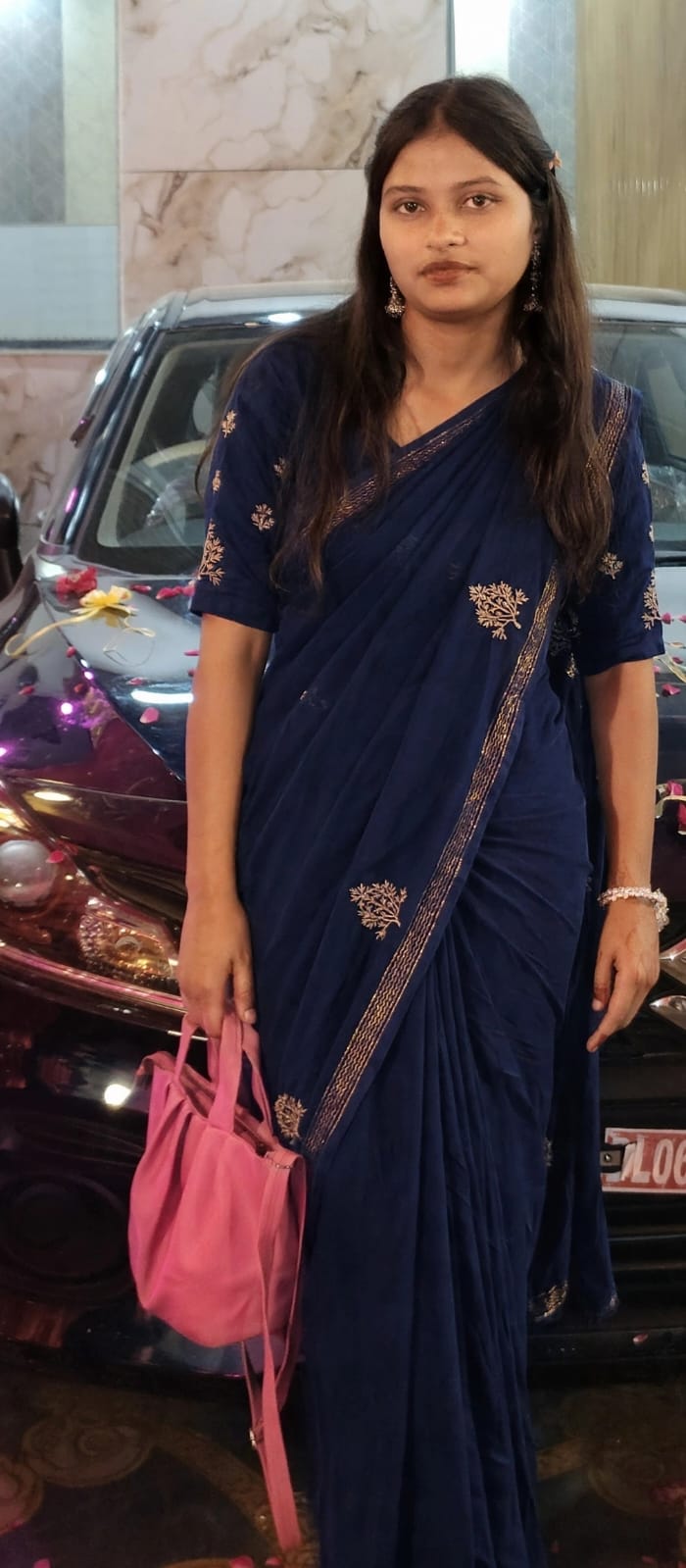
In Uttar Pradesh
Meerut
Teaches Maths · Science
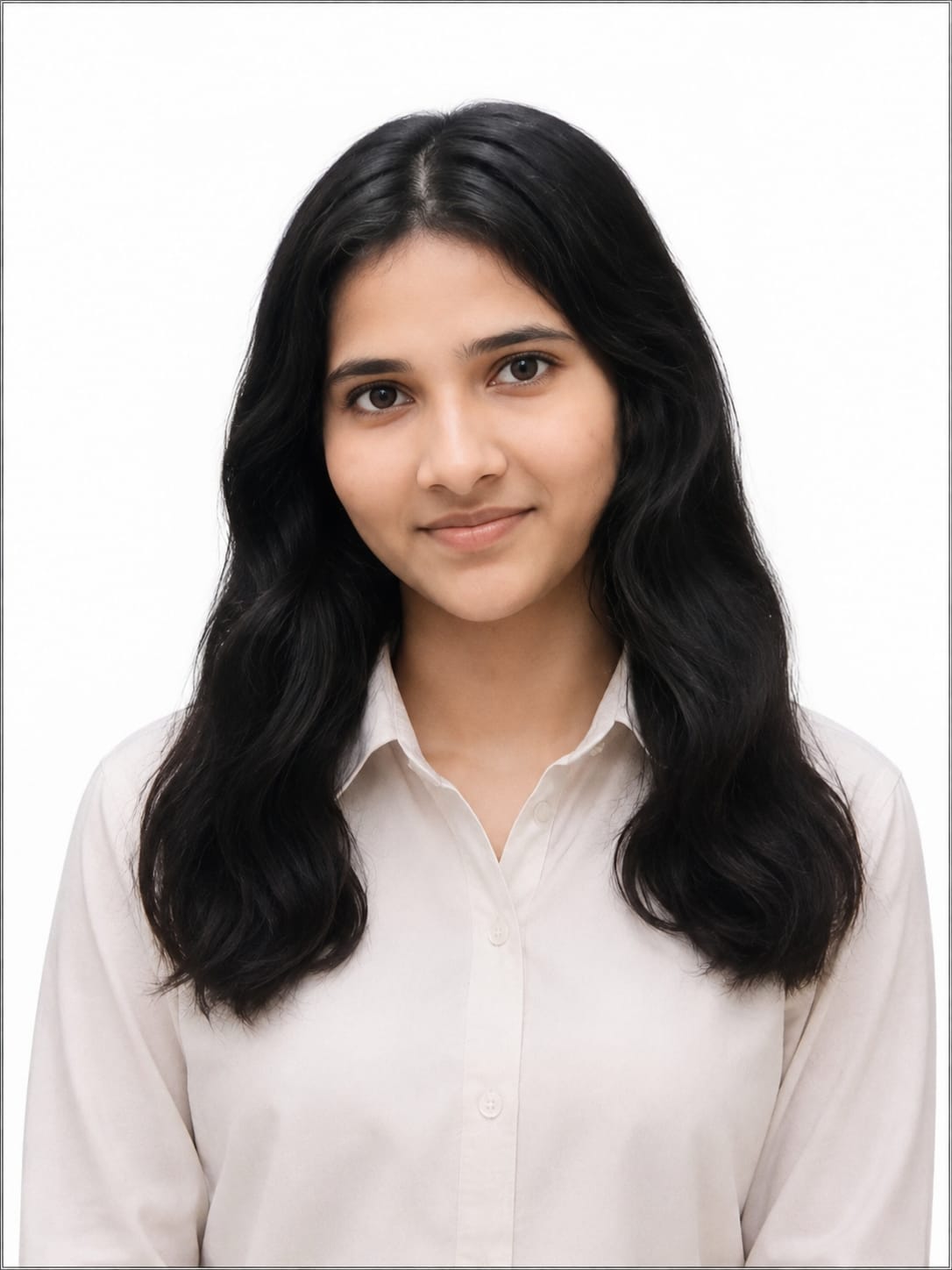
In Uttar Pradesh
Noida
Teaches English · Science · Social Science
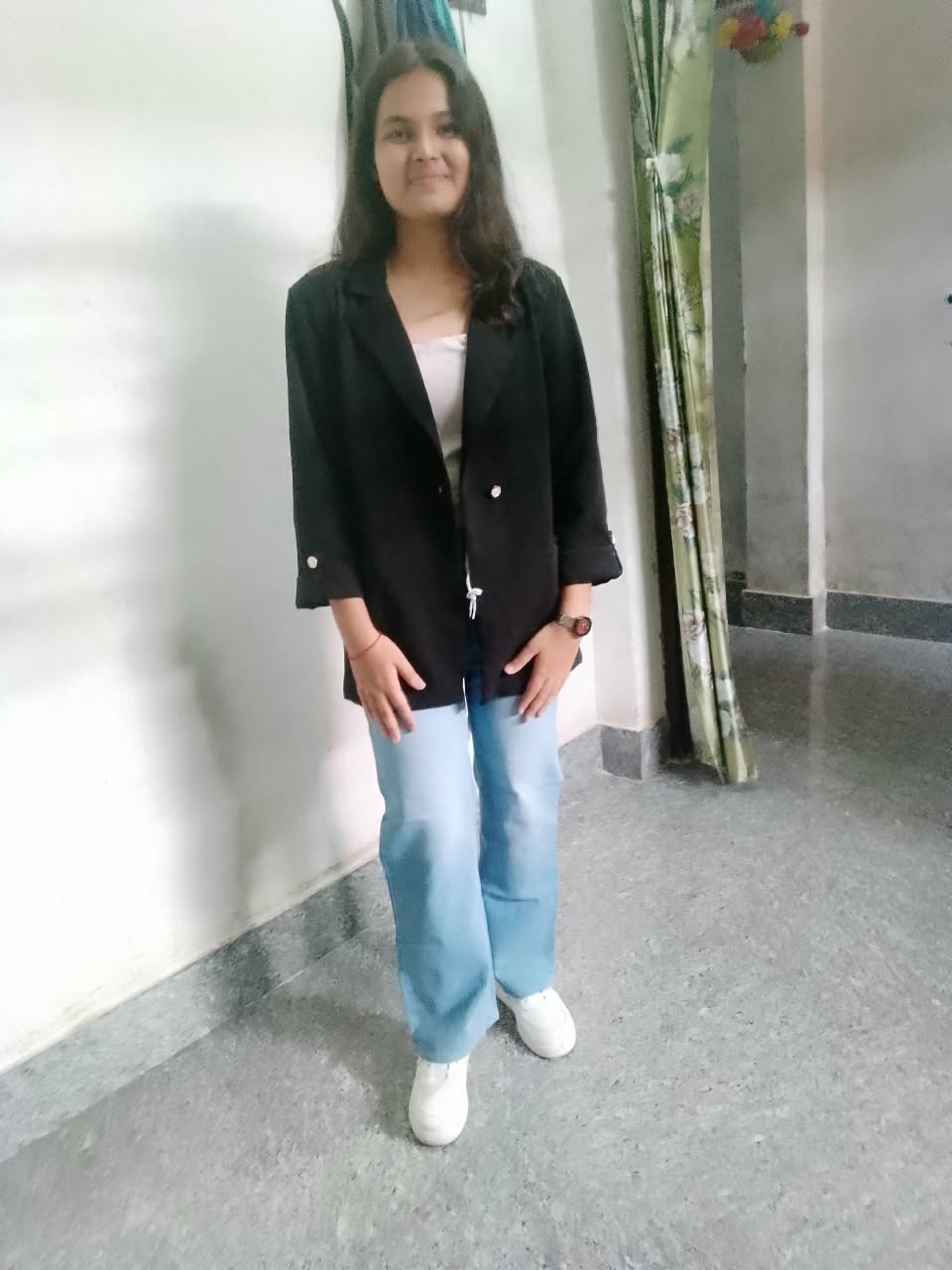
In Uttar Pradesh
Greater Noida
Teaches Maths · Science
In Uttar Pradesh
Saharanpur
Teaches Maths · Chemistry · Science
Tutors who join go through an ID check. Tell us the class, board and your area: we share two or three matched tutors, each with their fee, and the first class is a free demo, at home or online.
Book a free demo classAcross NXTutors, most home-tuition sessions fall between ₹800 and ₹2,500 an hour; Classes 11–12, IB/IGCSE and JEE/NEET sit toward the upper end; specialists for IB HL or JEE Advanced can charge more. Tutors set their own fee, and you see each tutor's fee before the demo class.
Monthly example: 3 one-hour classes a week ≈ ₹9,600–₹32,500 a month (12–13 classes at ₹800–₹2,500 an hour). An example, not a quote: your tutor's own fee decides the real figure.
See a monthly example and why one-to-one tuition costs more →
NXT AI can make mistakes. Please verify important details. Continue on WhatsApp
Science in Classes 6 to 10 grows quietly. It starts as one subject with simple activities, and by Class 10 it is really three, each with its own diagrams, equations and numericals. In Gorakhpur there is a second layer: many children learn science in Hindi for the UP Board, others in English for CBSE or ICSE, and a few switch between the two along the way. A good middle-school tutor teaches from your child's own textbook, in the medium of the exam, and builds the habit of exact written answers early. Share the board, medium and locality, and we come back with two or three science tutors to choose from, fees listed beside each name; the opening lesson costs nothing.
Aaditya Kashyap is responsible for the CBSE and ICSE science guidance on this page; UP Board figures are drawn from upmsp.edu.in. The tutor's job is not the same in Class 6 as in Class 10:
| Class | Main task | A parent's check |
|---|---|---|
| 6 and 7 | Turning each activity in NCERT's Curiosity books, or the school's own text, into one clear sentence and a labelled sketch | Does your child use the science word, in Hindi or English, rather than an everyday one? |
| 8 | Separating the physics, chemistry and biology chapters; the first numericals | Is a unit written after every number? |
| 9 | A much heavier book, with motion, matter and the cell in the same year | Are weak chapters mended within a month, not left for March? |
| 10 | Every chapter aimed at the board paper and the way it is marked | Has your child written a full paper section against the clock? |
Until the board year, a single science tutor is normally enough. Seeing all three strands lets that person judge whether a lost physics mark was a sum gone wrong or a concept never grasped. Our science home tutor page explains how we match, and the Class 6, Class 8 and Class 9 science tutor pages go year by year.
The Madhyamik Shiksha Parishad, Uttar Pradesh, conducts the High School examination at Class 10, and its home page lists Gorakhpur among its regional offices. Its science units carry names close to CBSE's, so a tutor who knows one board can adapt to the other, as long as the marks and paper shape are respected:
| Unit | UP Board | CBSE | Teaching point |
|---|---|---|---|
| Chemical substances | 20 | 25 | Equations balanced and compounds named every single week |
| World of living | 20 | 25 | Diagrams drawn from memory first, then checked against the book |
| Effects of current | 13 | 13 | Circuit numericals with a unit on each line |
| Natural phenomena | 12 | 12 | Ray diagrams with arrowheads, virtual rays dotted |
| Natural resources (UP Board); our environment (CBSE) | 5 | 5 | Quick marks, revised rather than skipped |
| School-level marks | 30 practical | 20 internal | See the practical section below |
A UP Board student needs at least 23 of the 70 and 10 of the 30 to pass. On CBSE, the school's 20 marks are shared equally (5 each) by periodic tests, multiple assessment, the student's portfolio and subject enrichment through practical work. Our UP Board tutors in Gorakhpur page covers the board's other subjects.
There are two sections in the board's model paper. The first, A, is all multiple choice at one mark a question, marked by shading an OMR sheet; B is for written answers. Each section is split into three sub-sections, and in Section B the questions of one sub-section must be answered together, starting on a fresh page. The model paper is printed in Hindi.
That shape points to three things worth practising all through Class 10. Shade an OMR circle only after the answer is settled in rough. Answer Section B one sub-section at a time, in the paper's order. And start each sub-section on a new page until it happens without thinking. A Hindi-medium student needs a tutor who uses the Hindi terms of the textbook, with the English word beside them where it helps for later study.
Yes, more than many parents expect, even though the lab stays at school. On the UP Board, 30 of the 100 science marks come from the practical exam, so a tutor can go through the aim, method, observations and precautions of each experiment, read the practical notebook and ask the short questions an examiner might. For a CBSE student, the 14 experiments listed in the curriculum feed board questions as well as internal marks, so each should be understood well enough to explain on paper.
The 2026-27 sample paper has 39 questions. It begins with twenty one-mark items, a mix of options and assertion–reason pairs, then six questions of two marks, seven of three, three four-mark questions built on a case or source, and three long answers of five marks. Measured by skill, half the paper is recall and understanding, 30% is applying ideas and 20% is analysing or evaluating.
In 2026-27 the board paper leaves out three topics that schools assess internally: evolution; how elements are arranged in the periodic table; and electromagnetic induction together with the generator and motor. All three come back in Class 11, so they should be taught properly but not given board-revision weeks. After the compulsory main exam, a voluntary extra sitting lets eligible students try again in at most three subjects, and science may be one; read its timetable on cbse.gov.in. Read our CBSE Class 10 science notes and the board-year planner, and see the Class 10 science tutor page.
CBSE's 2026-27 Class 9 course follows NCERT's newer book, Exploration, with 80 marks in the yearly exam and 20 internal. Matter is weighted at 27, the living world at 25, motion, force, work and sound at 23, and the Earth as a system at 5. An older cousin's notes follow the previous book, so a tutor should plan from the new chapters instead.
At ICSE level, science is not one paper but three. CISCE sets Physics, Chemistry and Biology as separate examinations, and internal marks attach to each. There is no single prescribed book; each school picks texts that fit the council's syllabus, so the tutor should teach from your child's books and practise on CISCE specimen papers. Marks reward precise definitions and numericals worked to the end. Fewer Gorakhpur tutors teach ICSE science than UP Board or CBSE science, so start looking well before term; online lessons open up more names.
Middle-school lessons tend to sit in the gap between homework and the evening meal, which leaves little room for a tutor who gets lost. Here is what helps in six localities of the centre and the older western side. Every locality is on our Gorakhpur page.
Golghar is the centre of the city, where lanes mix homes with shopfronts and offices, so give the lane or building, the floor and a shop everyone knows. Bank Road close by has houses and flats; if yours is above or behind a shop, tell the tutor which entrance to use. Children here often have long school days, so short, focused sessions suit them.
Daudpur is a residential part of the centre near Betiahata and Civil Lines. Tutors who already teach in Golghar or Betiahata may add it to their round, which makes a fixed weekday slot easier to keep through Class 10.
Jatepur has North and South parts, so say which one. Alinagar, often written with Aryanagar, has homes and small businesses in the same lanes; mention a separate entrance if there is one. Near Gorakhnath, give the mohalla and lane, because Nepal Road alone is too long to guide a first visit.
The Golghar and Civil Lines and Gorakhnath, Old City and GIDA zone pages add local tips, and the Gorakhpur home tuition guide covers the rest of the city.
These are the places where a neat, unhurried child gains marks that a hurried one throws away. Ask the tutor to return to them every few weeks:
A useful test at the free demo: hand over the chapter your child's class is doing now and notice whether any of these drills come up without being asked for. More signs to watch are in our demo class checklist. If the match is wrong, a second shortlisted tutor gives the next demo, and a change later in the year costs nothing.
Across NXTutors, most home-tuition sessions fall between ₹800 and ₹2,500 an hour; Classes 11–12, IB/IGCSE and JEE/NEET sit toward the upper end; specialists for IB HL or JEE Advanced can charge more. Rates are the tutor's own. At this stage, a good question is how many weeks they keep aside for revision before the annual or board exam, and whether they would take one lesson a week online. You see every fee before any demo, and the Gorakhpur home tuition fees guide has more questions.
Send us the class, board and medium, the part of science your child finds hardest, your locality and a landmark, and which afternoons are open. You get a shortlist of two or three science tutors, fees included, and pick one to meet at a free demo. Where no one suitable is free at your hour, we will suggest lessons online or a blend. Tutors who join go through an ID check; the Verified badge appears only after the ID check is complete (how the ID check works). Senior students can turn to our physics, chemistry and biology pages for Gorakhpur; elsewhere in the state, compare science tutors in Lucknow and Varanasi.
Science teachers in Gorakhpur who would like pupils near home can see current requests on the Gorakhpur tuition jobs page.
Across NXTutors, most home-tuition sessions fall between ₹800 and ₹2,500 an hour; Classes 11–12, IB/IGCSE and JEE/NEET sit toward the upper end; specialists for IB HL or JEE Advanced can charge more. Gorakhpur science tutors set their own rates. Ask how many weeks they keep for revision before the annual or board exam, and whether one weekly lesson could be online.
A Gorakhpur science shortlist needs the class, the board and medium, the strand your child finds hardest, your locality with a landmark, and free afternoons. We send two or three matched tutors with fees shown before the first class. The first class is a free demo, switching tutor later is free, and online lessons fill gaps.
For Gorakhpur students, UP Board High School science has a 70-mark written paper and a 30-mark practical, with 23 and 10 needed to pass. Chemical substances and the world of living carry 20 each, effects of current 13, natural phenomena 12 and natural resources 5, so the two big units deserve weekly work.
The UP Board Class 10 science model paper splits both sections into three sub-sections. Section A is one-mark multiple choice on an OMR sheet, and in Section B each sub-section must be answered together, starting on a new page. The model paper is printed in Hindi, so Hindi-medium practice should use the textbook's terms.
Yes, a Gorakhpur home tutor can help with UP Board science practical marks, which are 30 of the 100. The lab stays at school, but the tutor can revise each experiment's aim, method, observations and precautions, check the practical notebook, and ask the kind of short questions an examiner might put in the viva.
CBSE Class 10 science gives Gorakhpur students an 80-mark board paper plus 20 school marks, while the UP Board uses 70 written and 30 practical. CBSE puts 25 each on chemical substances and the world of living, against 20 on the UP Board. Effects of current, natural phenomena and the environment unit match.
In 2026-27, three CBSE Class 10 science topics are marked by the school, not the board: evolution, the periodic arrangement of elements, and electromagnetic induction with the generator and motor. Gorakhpur students should still learn them properly, because all three return in Class 11, but board revision time is better spent elsewhere.
An ICSE science tutor can be harder to find in Gorakhpur because fewer local tutors teach CISCE science than UP Board or CBSE science. ICSE Class 10 has separate Physics, Chemistry and Biology papers, each with internal marks, and schools choose their own textbooks. Start the search early, or add an online tutor.
CBSE Class 9 science needs a fresh plan because the 2026-27 course follows the newer NCERT book, Exploration. Matter carries 27 of the 80 exam marks, the living world 25, motion, force, work and sound 23, and the Earth as a system 5. Notes from older siblings follow the previous book, so plan from the new chapters.
Tell us the class, board and your area. We share two or three matched tutors, and the first class is a free demo.