Verified · Woman tutor
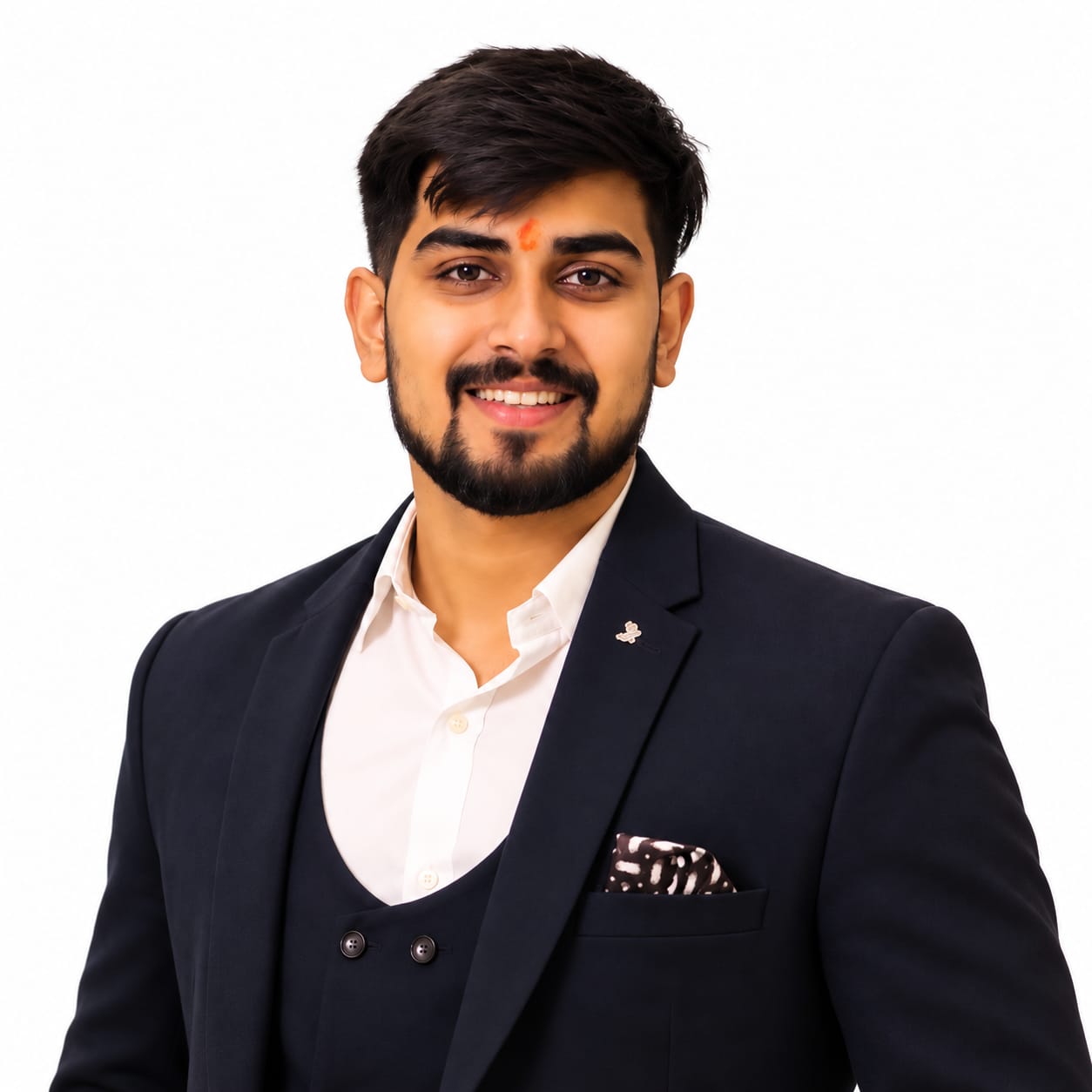
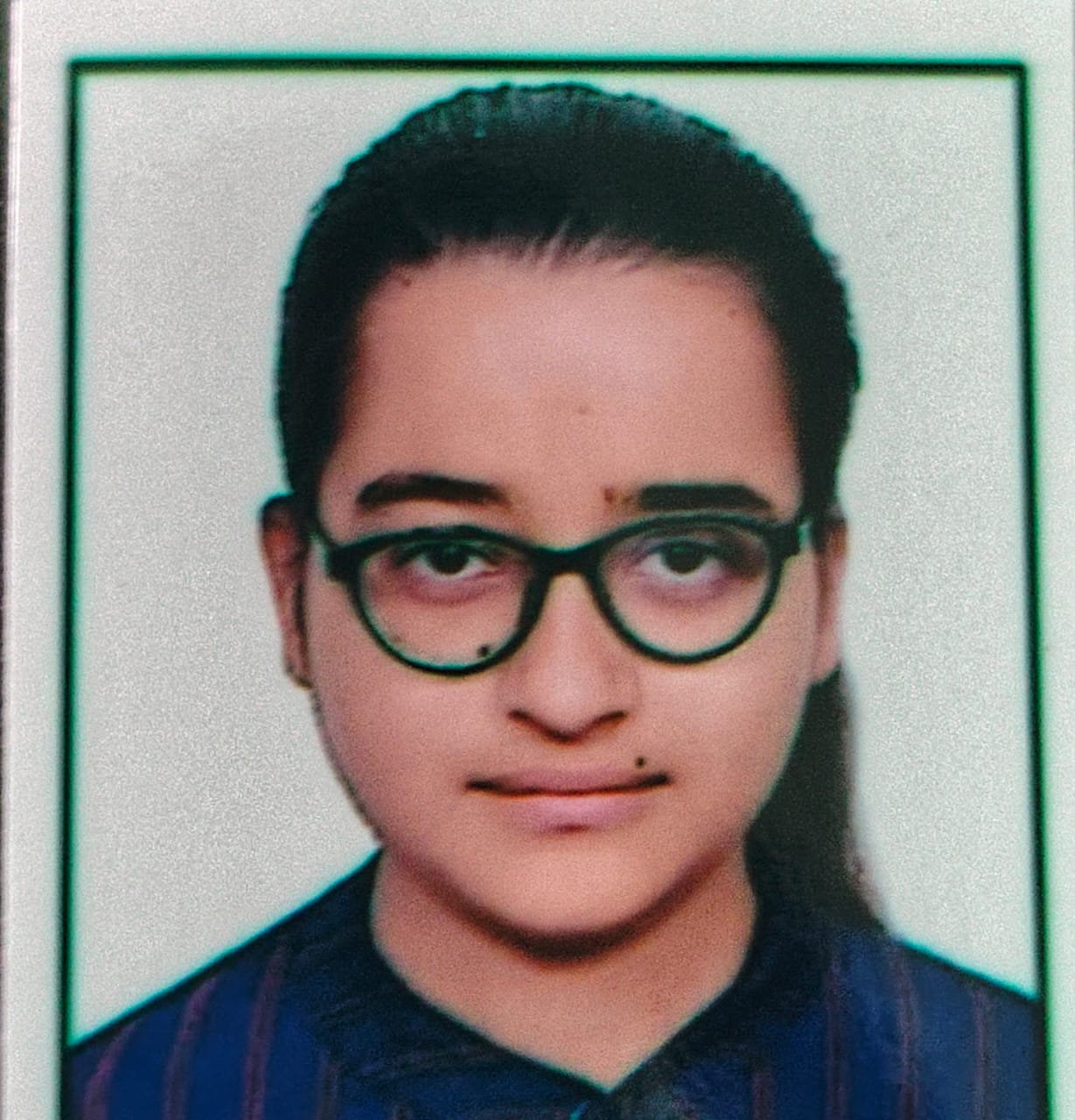
Ayushi Yadav
In Aligarh
Aligarh
Teaches Biology
- Classes
- 9–11
- Fee
- ₹400/hr
CBSE tutors who make NCERT chapters clear, practise the case-based questions and keep board answers complete through the senior years.
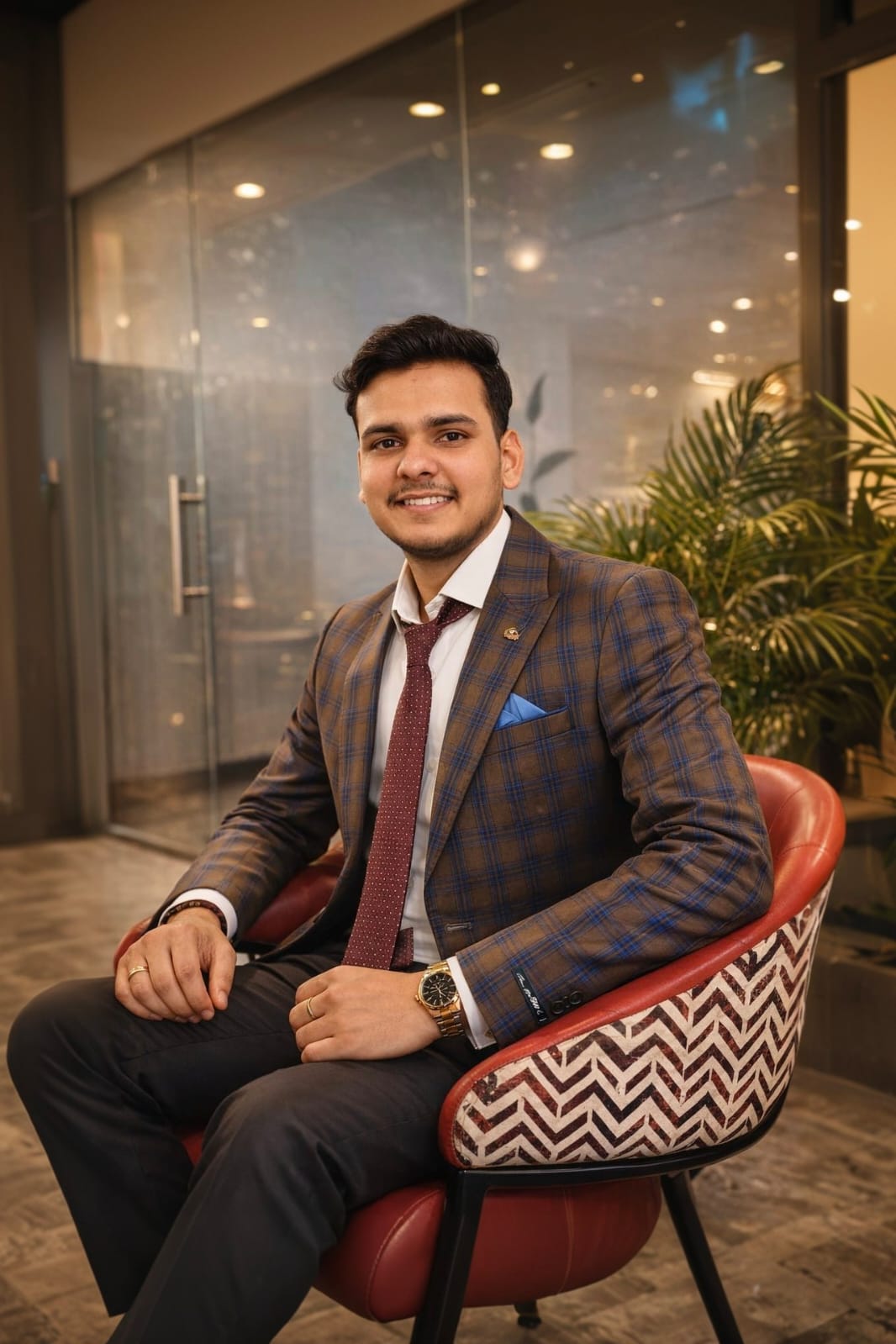 Guide by Abhinandan Tiwary with Aaditya Kashyap · Maths tutor · Class 10 CBSE and ICSE specialist
Real tutors first; sample profiles are marked. We suggest suitable tutors, and you meet one at a free demo class.
View all tutors →
In Aligarh
Aligarh
Teaches Biology
In Uttar Pradesh
Indirapuram, Ghaziabad
Teaches Maths · Science · English
In Uttar Pradesh
Lucknow
Teaches Physics · JEE
In Uttar Pradesh
Sahibabad & Rajendra Nagar, Ghaziabad
Teaches Hindi
In Uttar Pradesh
Sector 81, Noida
Teaches Maths · Science
In Uttar Pradesh
Sahibabad & Rajendra Nagar, Ghaziabad
Teaches Maths · Physics
In Uttar Pradesh
Sector 49, Noida
Teaches Maths
In Uttar Pradesh
Sector 76, Noida
Teaches Maths · Science · Hindi
Tutors who join go through an ID check. Tell us the class, board and your area: we share two or three matched tutors, each with their fee, and the first class is a free demo, at home or online.
Book a free demo classAcross NXTutors, most home-tuition sessions fall between ₹800 and ₹2,500 an hour; Classes 11–12, IB/IGCSE and JEE/NEET sit toward the upper end; specialists for IB HL or JEE Advanced can charge more. Tutors set their own fee, and you see each tutor's fee before the demo class.
Monthly example: 3 one-hour classes a week ≈ ₹9,600–₹32,500 a month (12–13 classes at ₹800–₹2,500 an hour). An example, not a quote: your tutor's own fee decides the real figure.
See a monthly example and why one-to-one tuition costs more →
NXT AI can make mistakes. Please verify important details. Continue on WhatsApp
In Aligarh, a CBSE family often lives on a street where the neighbours' children sit the UP Board or ICSE, and tuition advice gets mixed up between them. A CBSE tutor is worth paying for when the work is specific to this board: making each NCERT chapter clear rather than memorised, rehearsing the application-style questions that fill so much of the secondary papers, and keeping board answers complete while older students also prepare for entrance tests. Below we cover what CBSE expects from Class 6 to Class 12, what is new for 2026–27 in Classes 9 and 10, the theory and practical split in the senior years, how CBSE compares with the UP Board, and how tutors reach six Aligarh localities. Advice on Class 10 maths draws on Abhinandan Tiwary, who teaches Class 10 CBSE and ICSE maths; advice on science draws on Aaditya Kashyap, who teaches CBSE and ICSE science.
Families in Aligarh pick from the UP Board, CBSE and CISCE's ICSE and ISC. We do not quote a share for each, since there is no reliable count we could point you to. For tuition, the useful question is how the papers of the two most common boards differ once a student reaches Class 11.
| Point | CBSE | UP Board |
|---|---|---|
| Mathematics | Theory worth 80; internal assessment worth 20 | A single question paper worth all 100; no practical or internal share |
| Physics | Theory worth 70; practical worth 30 | Written paper worth 70; a separate practical examination worth 30 |
| Official practice material | Sample papers and marking schemes on cbseacademic.nic.in | Syllabus files, model papers and a question bank on upmsp.edu.in, mostly in Hindi |
| Tests during the year | Arranged by the school | Four unit tests named in the syllabus for remedial teaching, not counted in the result |
The chapters overlap a great deal; the papers do not. A UP Board maths student stakes everything on one written paper, whereas a CBSE student collects a fifth of the subject through internal work over the year. Anyone moving from one board to the other needs a tutor who can show, with a real paper, that they know both styles. Our UP Board tutors in Aligarh page sets out that board's papers.
A child who seems to fall behind in Class 9 algebra almost always lost ground much earlier, often with fractions or one-step equations. Good tuition in the middle years mends first and speeds up later.
Class 9 now has one common maths paper and one common science paper, each out of 80. Beyond those, a student can choose to write an Advanced paper, worth 25, in maths, in science, in both or in neither. Every question on it is higher-order and comes from extra material. The Advanced score is kept out of the aggregate, though the marksheet notes it when it reaches half marks or above. Meanwhile, the old Basic and Standard choice in maths is on its way out; the students in Class 10 this session are its final batch. Abhinandan Tiwary's view of the Advanced maths paper is simple: it is for a child who already likes hard problems, never a cure for weak basics.
Class 10 has also moved to two board examinations a year. The first is compulsory. Students who pass it may sit the second to improve their marks in a maximum of three subjects from science, mathematics, social science and the languages. Treat the first sitting as the real thing and the second as a safety net.
Under the 2026–27 senior curriculum, the three sciences, physics (042), chemistry (043) and biology (044), each carry 70 theory marks and 30 practical marks. Mathematics (041) and Applied Mathematics (241) are alternatives, not a pair; whichever a student takes has 80 theory marks and 20 internal. Commerce subjects follow the same 80 and 20 pattern: accountancy (055), business studies (054) and economics (030).
In Class 12 the board paper spans the full year's syllabus, and CBSE has signalled more questions that ask students to apply ideas to real settings. The question design for any year comes out with that year's sample paper, so the tutor's copy should be current. Our board-year articles on Class 12 physics strategy, organic and inorganic chemistry and Class 12 calculus and algebra are a sensible start.
Around half of each CBSE secondary paper is competency-based. A paragraph, a table of readings, a source extract or a daily-life scenario comes first, and the questions after it test whether the student can use the idea, not just recall it. Students who know the chapter well still lose marks by rushing past the stem. Aaditya Kashyap's routine for science is a good one to borrow: read the stem twice, underline the data, write the name of the concept in the margin, and only then answer. For maths, Abhinandan Tiwary asks students to write the equation in words first and in symbols second. The right practice sources are CBSE's sample papers and the NCERT exemplar books; ordinary worksheets seldom match the style.
NCERT content sits under both the CBSE board papers and the JEE and NEET syllabuses, so careful school study pays twice. What slips in Class 12 is presentation. Months of ticking options make students forget derivation steps, units and diagram labels. A CBSE tutor working beside an entrance plan should note each chapter that was hurried, come back to it with long-answer questions, mark one complete written answer in every lesson, and track the practical file and internal tasks that an entrance class never checks. The entrance side is covered on JEE home tutors in Aligarh and NEET home tutors in Aligarh.
In Classes 9 and 10, two moderate sessions a week tend to do more than one marathon on Sunday. Each session can follow the same three steps. First, the latest school test: every lost mark traced back to the NCERT page that explains it. Second, one fresh idea, practised through textbook exercises and then through an exemplar or case-based item on that idea. Third, a single answer written out completely and checked for method, units, figures and layout. Plenty of Aligarh children think through a problem in Hindi and write the board paper in English; the explanation can happen in Hindi as long as the written answer is in clean English. At the end of each month, ask for a few lines on chapters finished, scores and the errors that keep returning.
For the board itself, read our CBSE board hub; for a month-by-month order of work in Class 10, see Class 10 maths preparation.
Zone pages with more on timing: Vishnupuri and GT Road, the Old City and Sasni Gate and Agra Road. The Aligarh home tuition guide takes in every zone.
Sitting together is the stronger choice for young children, for anyone who wanders off on a screen, and for work where each written line is marked, such as maths, physics problems, chemical equations and accounting formats. A screen makes sense for a quick doubt check on a school night, for a senior subject whose specialist teaches from another part of the city or another city, and for old-city families during crowded festival weeks. One tutor can do both, which many families prefer. More on this: online tutors for Aligarh and our home versus online comparison.
We suggest two or three matched tutors, each fee is visible beforehand, the first class is a free demo, and a later change of tutor costs nothing. Tutors who join go through an ID check; the Verified badge appears only after the ID check is complete (about the check).
Across NXTutors, most home-tuition sessions fall between ₹800 and ₹2,500 an hour; Classes 11–12, IB/IGCSE and JEE/NEET sit toward the upper end; specialists for IB HL or JEE Advanced can charge more. Where an Aligarh CBSE quote lands depends on the class, the number of subjects, sessions per week and the tutor's journey. Read our pricing guide and the post on Aligarh home tuition fees.
Your first message only needs the class, the subjects, the colony or mohalla, the language your child prefers for explanations and the hours that are free. Then book a free demo, look through tutor profiles, or find your locality on the Aligarh home tutors page. Teachers of CBSE subjects can check Aligarh tuition jobs.
Across NXTutors, most home-tuition sessions fall between ₹800 and ₹2,500 an hour; Classes 11–12, IB/IGCSE and JEE/NEET sit toward the upper end; specialists for IB HL or JEE Advanced can charge more. Each CBSE tutor in Aligarh sets their own fee, shown before the free demo; class, subjects and sessions a week move it most.
To find a CBSE home tutor in Aligarh, send the class, the subjects, your colony or mohalla, the language your child prefers and your free hours. We suggest two or three matched tutors with fees shown, the first class is a free demo, and you can change tutor later at no cost.
CBSE Class 11 maths gives 80 marks to theory and 20 to internal assessment. The UP Board 2026-27 Class 11 maths syllabus puts all 100 marks on one written paper with no internal share. The chapters overlap a lot, so a switching student mainly needs practice in the other board's paper style.
An Aligarh child should take the CBSE Class 9 Advanced paper only if they already enjoy hard problems. It is an optional 25-mark paper in maths, science or both under the 2026-27 curriculum, with only higher-order questions on extra content. Its marks stay outside the aggregate, but a score of 50% or more is noted on the marksheet.
Yes, CBSE Class 10 now has two board examinations. The first is compulsory for everyone, and a student who passes may take the second to improve marks in up to three of science, mathematics, social science and the languages. Prepare for the first as the real exam and treat the second as a safety net.
Under the 2026-27 CBSE senior curriculum, physics, chemistry and biology each have 70 theory marks and 30 practical marks. Mathematics or Applied Mathematics, only one of which may be taken, has 80 theory and 20 internal. Accountancy, business studies and economics also follow 80 theory and 20 internal.
A CBSE tutor should teach competency-based questions as a reading task first, since about half of each secondary paper is built on a case, table, source or real situation. Read the stem twice, mark the data, name the concept, then answer. CBSE sample papers and NCERT exemplar books are the right practice material.
Families in Sasni Gate should name their colony and the turn they take off Agra Road, since several colonies share one approach, and choose a late-afternoon slot. In Avas Vikas Colony, give the house and block number and say whether you are nearer Sasni Gate or Vikas Nagar.
A CBSE tutor in Aligarh should protect board writing while entrance practice runs, since both draw on NCERT content. Expect a list of rushed chapters revisited with long-answer questions, one fully written answer marked each session, and a watch on practical files and internal work that an entrance class never checks.
Tell us the class, board and your area. We share two or three matched tutors, and the first class is a free demo.