In Firozabad, CBSE families live on the same lanes as UP Board and ICSE families, and children sometimes move from
one board to another. A CBSE home tutor earns the fee by doing a few specific things well: making NCERT chapters
clear rather than memorised, drilling the case and source questions that fill so much of today's CBSE papers, and
making sure senior board answers show every step. This page explains what CBSE asks for at each stage, what changes in Classes 9 and 10 in
2026–27, how senior subjects are marked, how to manage a switch between CBSE and the UP Board, and how tutors reach
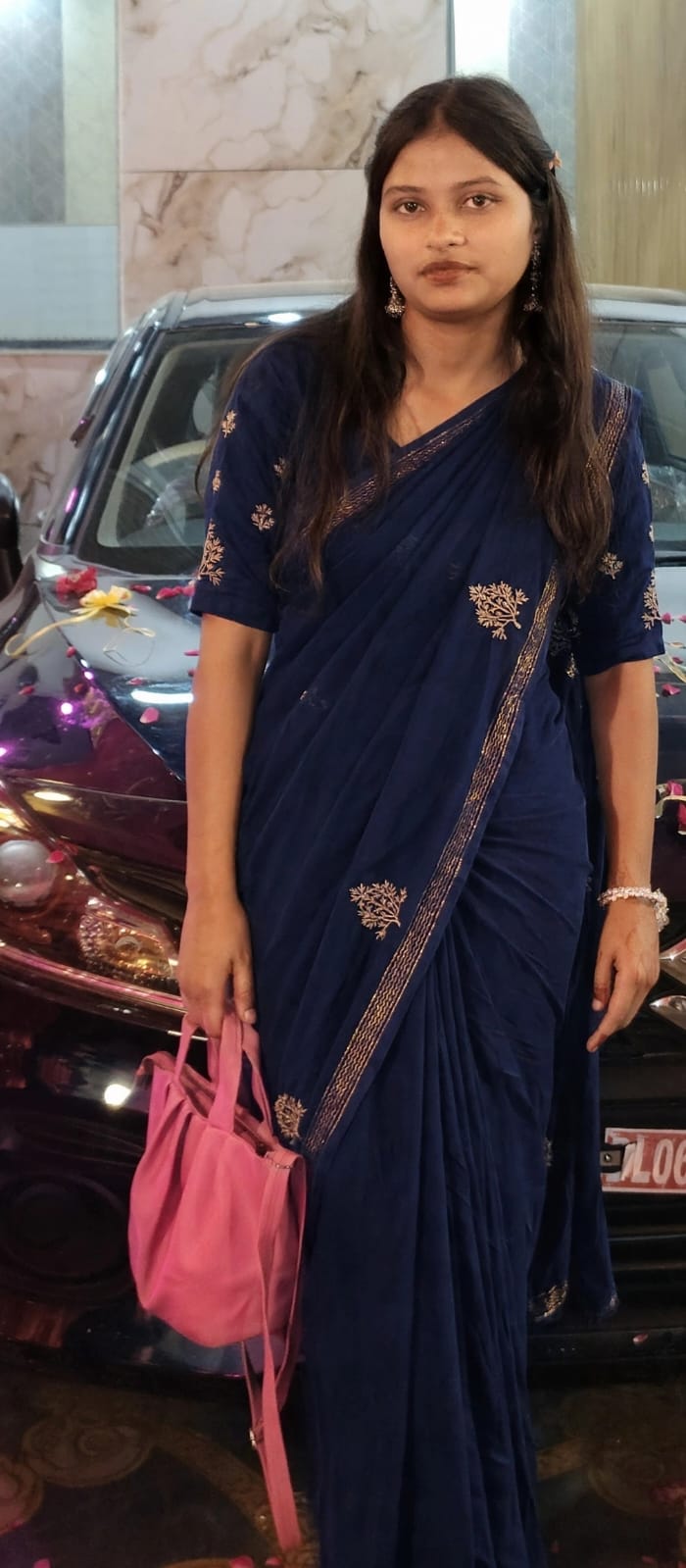
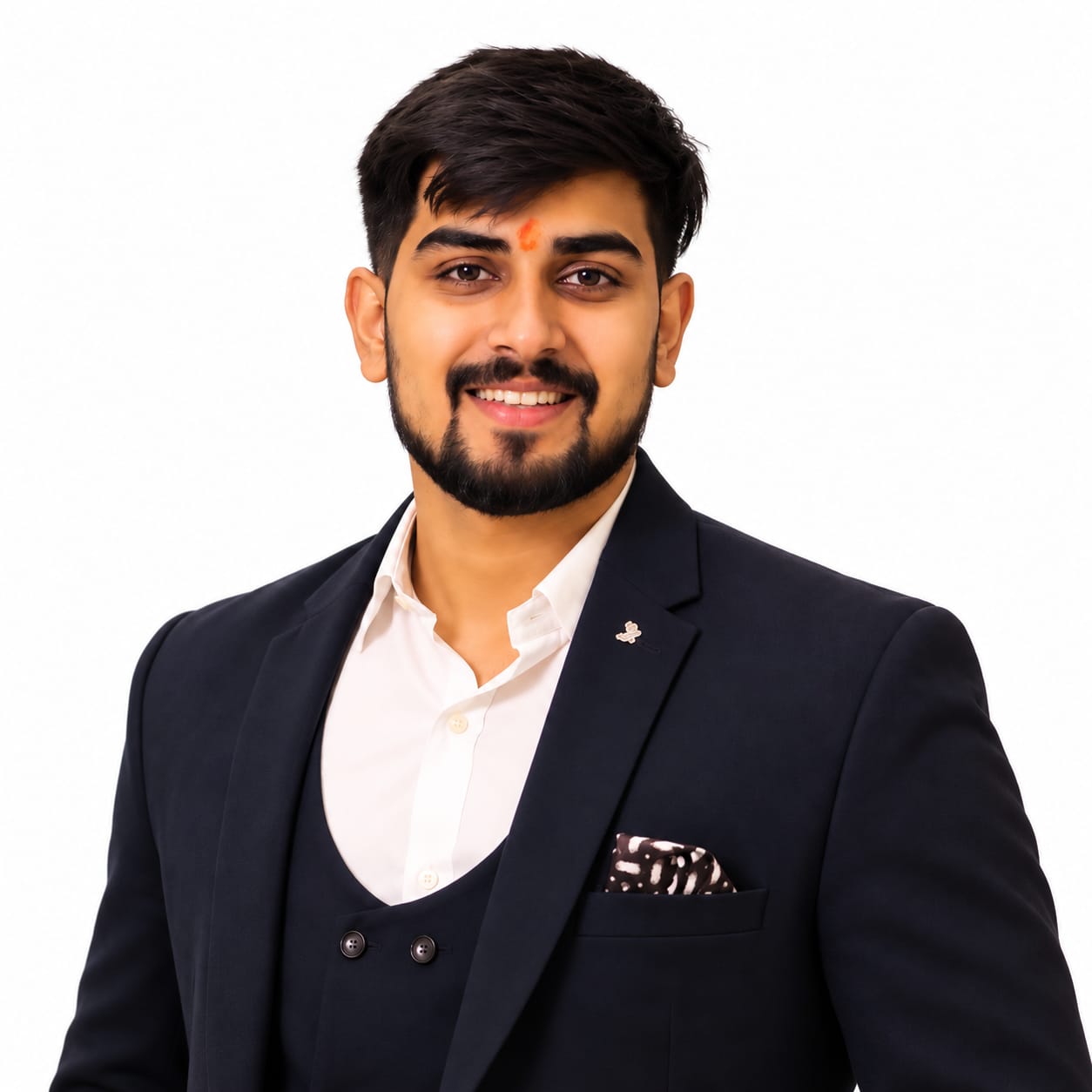
your part of the city. Two of our named tutors shaped it: Abhinandan Tiwary, who teaches maths to Class 10 students on
CBSE and ICSE, wrote the maths notes, and Aaditya Kashyap, who teaches science on both boards, wrote the science notes.
CBSE and the UP Board: what actually differs
Firozabad children study under the UP Board, CBSE and ICSE, in Hindi or English medium. We do not publish the share
of each, because we have no reliable figures. For tuition, the useful question is what changes between CBSE and the
UP Board, since many tutors have taught both.
- Books. CBSE schools teach from NCERT books. UP Board students work from the board's own syllabus files, which are published in Hindi, and a tutor should check the current file for each subject.
- Mark split. CBSE secondary subjects usually split 80 marks on the paper and 20 internal. The UP Board's Class 10 Hindi file, by contrast, sets 70 written and 30 internal, and its Class 12 maths is a single 100-mark paper.
- Question style. Roughly half the marks in a CBSE secondary paper go to competency questions, where a case, a source or a table of data comes first and the student must apply an idea to it.
- Practice material. Each year cbseacademic.nic.in carries fresh sample papers with their marking schemes; the UP Board posts model papers and a question bank on its own site.
A tutor who knows one board well can usually teach the other, but should show they know its paper before taking on
the student. Our UP Board tutors in Firozabad page covers that
board.
From Class 6 to Class 12: the CBSE route in Firozabad
Stage, exam setter and the job for tuition
| Class | Who sets the exam | Where children often struggle | What tuition should do |
|---|
| Classes 6–8 | School exams only | Fraction work, signed numbers, reading a long science paragraph | Mend the basics; every step written down |
| Class 9 | School, using the common maths and science papers | Algebra and science get harder in the same year | Short tests after each chapter; decide on the Advanced paper |
| Class 10 | The board: 80 on paper, 20 internal | Case questions; complete, neat answers | CBSE sample papers, marked with CBSE's own scheme |
| Class 11 | School exams only | A steep start in physics, chemistry and maths | Solid groundwork so Class 12 is revision, not rescue |
| Class 12 | The board: theory with practical or internal marks | Covering the full course while other demands grow | A single calendar for the board and any entrance test |
The pass mark in each Class 10 subject is 33%. When a child "suddenly" struggles with Class 9 algebra, the cause is
nearly always older: shaky fractions or simple equations. So tuition in the middle school years should mend first
and move on second.
What 2026–27 changes in Classes 9 and 10
Class 9 students all write the same 80-mark maths paper and the same 80-mark science paper. Beyond those, there is
an optional Advanced paper worth 25 marks, which a child can take in maths, science, both or neither. Its questions
are all higher-order and use extra material. The Advanced marks do not join the aggregate, though the marksheet
records a score of 50% or above. Basic and Standard maths are being phased out; the 2026–27 Class 10 batch is the
final one on that scheme. For maths, choose Advanced only for a child who already enjoys the
subject, never as a remedy for weak marks.
There are now two Class 10 board examinations. Everyone sits the first. A student who passes it can use the second
to raise marks in as many as three subjects from science, maths, social science and the languages. Prepare for the
first as though it were the only one; the second exists for repairs.
Classes 11 and 12: where the marks come from
Senior CBSE subjects under the 2026–27 curriculum
| Subjects and codes | Written paper | Other marks |
|---|
| Physics 042, Chemistry 043, Biology 044 | 70 | 30 practical |
| Mathematics 041 or Applied Mathematics 241 (one only) | 80 | 20 internal |
| Commerce: Economics 030, Business Studies 054, Accountancy 055 | 80 | 20 internal |
Every Class 12 chapter can appear in the board paper, and CBSE has said senior papers will put more weight on using
ideas in real situations. Because the paper's layout is announced through each year's sample paper, ask which
year's sample the tutor is teaching from. In science, the 30 practical marks are earned
across the year, so the record and the experiments should never wait for the last month. For the board year, read
our posts on Class 12 physics strategies,
Class 12 chemistry and
Class 12 maths.
Competency questions start with reading
A child can know the chapter well and still lose marks on a case-based question, because the first task is to read
the passage or table carefully. In science, spend a slice of each lesson on a single passage: mark the given
facts, say which concept they lead to, and only then begin to write. In maths, the same habit means turning a
word problem into an equation before touching the numbers. For a child who reads more easily in Hindi, the tutor can
talk the passage through in Hindi and then ask for the written answer in English, if that is the medium of the
paper. The exemplar book and CBSE's sample papers copy the style faithfully; most bazaar worksheets do not.
Switching between CBSE and the UP Board
Families sometimes change board at Class 9 or Class 11, after a move, a change of school or a change of medium. The
first months decide how smoothly it goes. A tutor can bridge the gap in four steps:
- Map the chapters. List what the new board covers this year and tick what the child has already studied.
- Fill the missing topics first. Teach those before the school reaches them, so the child is never behind in class.
- Practise the new paper style. Competency questions for a child moving to CBSE; the UP Board's model papers for a child moving the other way.
- Settle the language. Build a short list of Hindi and English terms for each subject if the medium changes too.
The guide to choosing a board and stream lists the
questions worth asking before any switch.
Inside a CBSE lesson that earns its fee
In Classes 9 and 10, a pair of shorter weekday lessons tends to beat a single long one at the weekend. A lesson
worth paying for begins with the errors from the most recent school test, put right from the NCERT explanation.
Then comes one fresh idea: textbook questions first, then a harder exemplar or case question on the same idea.
The last part is a single full-length answer, checked line by line for working, units, labelled diagrams and
layout. Once a month, ask the tutor for a few lines on chapters done, marks scored and errors that recur.
How CBSE tutors reach six Firozabad localities
- Arya Nagar: central and compact beside Gandhi Nagar, so tutors from most of the city can come; give the lane and a nearby shop.
- Ram Nagar: on the south side near Rasulpur; always add Firozabad and a colony such as Shyam Nagar, since the name is common.
- Rasulpur: one of the old village names the city grew on; the gali number is the quickest guide to the door.
- Gazipur: on the southern outskirts, where fewer tutors live; share a map pin and pair a nearby tutor with online lessons for a senior subject.
- Madina Colony: on the east side; block or gali and house number come first, and tutors from the centre or Asafabad can usually reach it.
- Jagdamba Nagar: to the north-east; with children at different stages in one home, ask whether one tutor can take two back to back.
The zone pages for Tilak Nagar and Rasulpur
and Asafabad and Madina Colony add timing
tips, the Firozabad home tutors page lists every locality, and the
Firozabad home tuition guide covers the city zone by
zone.
Home or online for CBSE in Firozabad?
Home visits work well for young children, for maths with pages of working, and for any child who drifts without
an adult at the table. Online lessons suit short checks, a specialist for one senior subject, or a family on the edge of
the city where few tutors live nearby. Many families mix the two with the same tutor: a home visit for new work and
an online session for test review. Our online tuition in
Firozabad page explains how to set that up.
What to ask a CBSE tutor in the free demo
- "Which year's CBSE sample paper and marking scheme are you using?"
- "How would you handle this case-based question?" Bring one from your child's last test.
- "What will you do about the practical or internal marks?"
- "Can you explain in Hindi and still mark the written answer in English?" if that suits your child.
- "What will the first month look like, and how will you report progress?"
We send two or three matched tutors and show each fee before you book. The first class is a free demo, and switching
tutor later is free. The demo class checklist has
more to try.
Fees and getting started
Across NXTutors, most home-tuition sessions fall between ₹800 and ₹2,500 an hour; Classes 11–12, IB/IGCSE and JEE/NEET sit toward the upper end; specialists for IB HL or JEE Advanced can charge more.
Each tutor sets their own fee. The pricing guide and our post on
home tuition fees in Firozabad explain what moves a
quote.
Send the class, subjects, your locality with a landmark, the language your child finds easiest and your free times.
The first class is a free demo. Every tutor who joins goes through an ID check, and the
Verified badge appears only after the ID check is complete (about our
ID check). You can browse tutor profiles, and teachers can find requests on
Firozabad tuition jobs.