
Verified · Woman tutor
Gurseheaj Kaur
In Delhi
Delhi
Teaches English
- Experience
- 1+ yrs
- Fee
- ₹300/hr
IGCSE tutors across Delhi who work to your child’s syllabus code, tier and exam series, at home or online.
 Guide by Ajay Vatsyayan · Maths tutor · IB, IGCSE and ISC specialist
Real tutors first; sample profiles are marked. We suggest suitable tutors, and you meet one at a free demo class.
View all tutors →In Delhi
Delhi
Teaches English
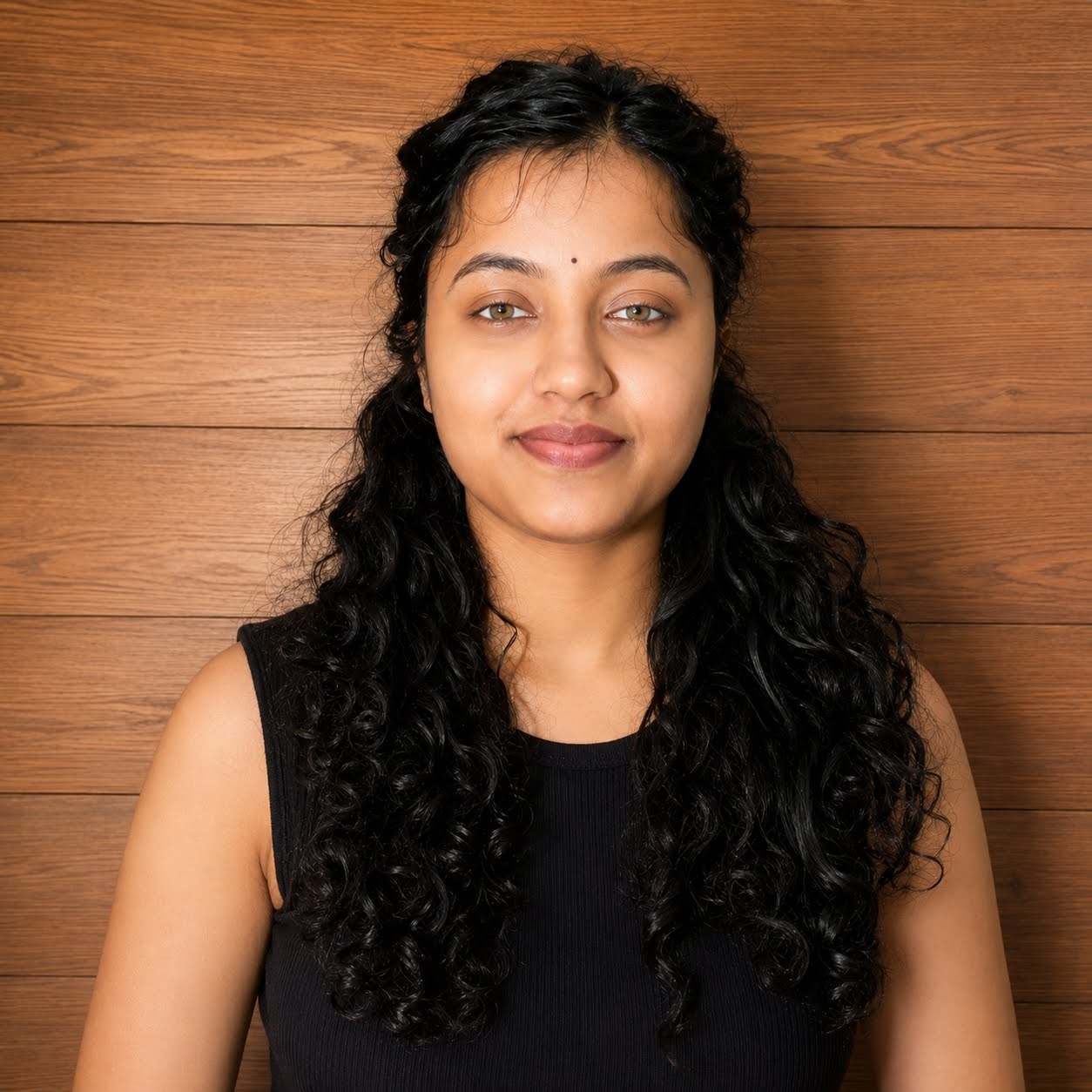
In Delhi
Delhi, NEW DELHI
Teaches English

In Delhi
Delhi
Teaches Study Abroad Preparation · IELTS

In Delhi
Sector 5, Delhi
Teaches Physics · Chemistry · Biology
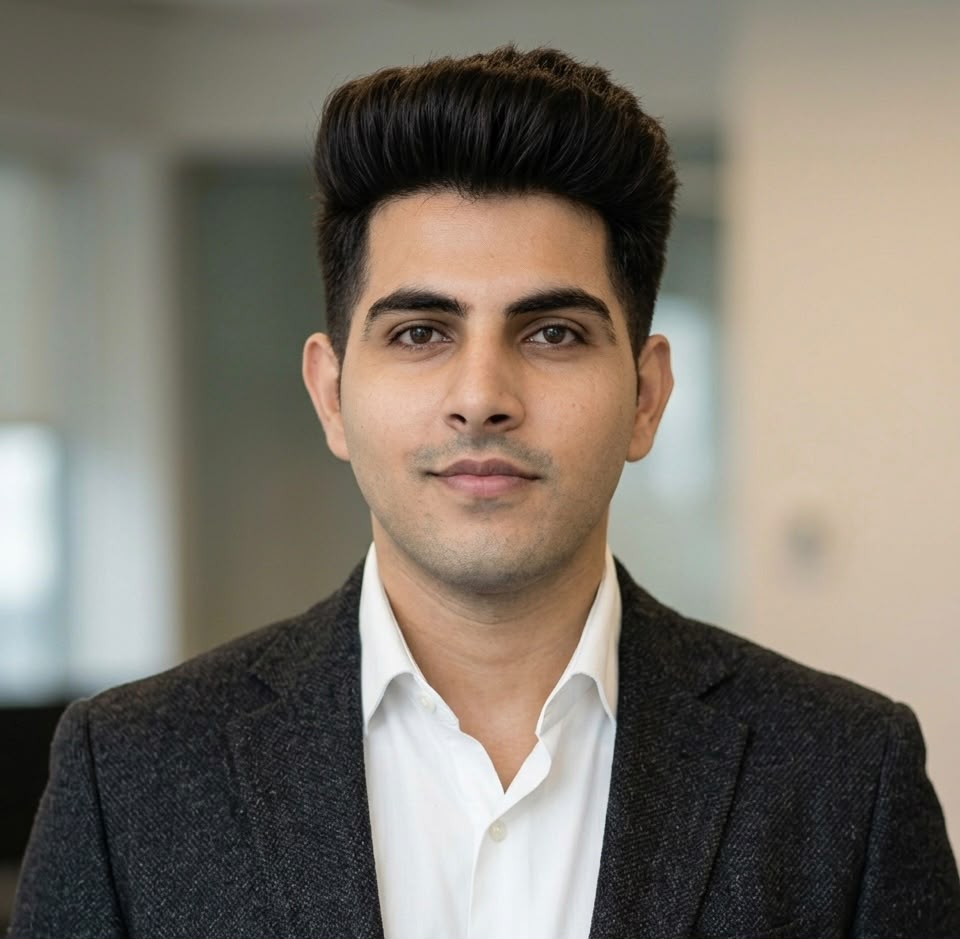
In Delhi
Delhi
Teaches Science

In Delhi
Saket, Malviya Nagar & Hauz Khas, Delhi
Teaches Maths · Science · English

In Delhi
Mayur Vihar, Patparganj & IP Extension, Delhi

In Delhi
Delhi
Tutors who join go through an ID check. Tell us the class, board and your area: we share two or three matched tutors, each with their fee, and the first class is a free demo, at home or online.
Book a free demo classAcross NXTutors, most home-tuition sessions fall between ₹800 and ₹2,500 an hour; Classes 11–12, IB/IGCSE and JEE/NEET sit toward the upper end; specialists for IB HL or JEE Advanced can charge more. Tutors set their own fee, and you see each tutor's fee before the demo class.
Monthly example: 3 one-hour classes a week ≈ ₹9,600–₹32,500 a month (12–13 classes at ₹800–₹2,500 an hour). An example, not a quote: your tutor's own fee decides the real figure.
See a monthly example and why one-to-one tuition costs more →
NXT AI can make mistakes. Please verify important details. Continue on WhatsApp
An IGCSE request is only useful to a tutor once it carries four details: the awarding body, the syllabus code, the tier and the exam series. Two Delhi students both "doing IGCSE maths" can be sitting quite different papers with different grade ceilings. This guide explains how Cambridge IGCSE and Pearson Edexcel International GCSE are put together, why the tier decision deserves attention early, how the Cambridge science papers are weighted, which subjects Delhi families ask about, what to test in a demo, and how tutors reach homes around the city. It is written by Ajay Vatsyayan, who teaches IB, IGCSE and ISC maths on NXTutors.
On our Delhi tutors page the picture is clear: CBSE is what most Delhi students sit, ICSE and ISC have a sizeable following, and a smaller group study for the IB or Cambridge IGCSE. The same page names what IGCSE rewards: exam craft, meaning command words, the right tier and past papers checked against the official mark scheme. Those three things are also what separate a real IGCSE tutor from a general subject tutor, and because IGCSE specialists are fewer, it pays to be precise when you ask.
Students who move into IGCSE from CBSE, ICSE or a state board elsewhere usually find the content familiar and the questions unfamiliar. Calculator and non-calculator papers, "explain" and "suggest" questions, and marks tied to key words in the scheme are new habits. A tutor's early sessions should target those habits rather than reteach topics the student has already met.
The school chooses the awarding body, subject by subject, and some schools mix the two. Before the first lesson, ask the school office for the exact code and tier on your child's entry. The main differences a tutor works with:
The Cambridge versus Edexcel comparison goes paper by paper, and our IGCSE tutors in Gurgaon guide explains the courses in more depth.
Most schools teach IGCSE across Grades 9 and 10, and Cambridge designs each syllabus around roughly 130 guided learning hours. Each subject has its own code, papers and grade.
| Stage | What is happening | The tutor's priority |
|---|---|---|
| The year before Grade 9 | School-set work; a board change for some students | Algebra fluency, hand calculation and reading longer questions |
| Grade 9 | Content moves quickly and feels familiar | Stay a topic ahead or just behind the school; start topic-wise past-paper questions early |
| Grade 10, to the mocks | Content finishes; the school usually fixes tiers from test results | Working clearly at the higher tier's level before the decision is made |
| Grade 10, after the mocks | Full papers and revision | Timed papers marked with the official scheme; every lost mark logged by cause |
| After IGCSE | IB, A Level, or CBSE or ISC in Class 11 | Bridging: graphic-calculator habits for IB; hand calculation and full textbook working for CBSE or ISC |
The series your child sits changes how long Grade 10 really is, so ask the school early and plan backwards from it. If Class 11 will be at an IB school, our IB tutors in Delhi page sets out what comes next.
The tier sets the ceiling. In Cambridge 0580, Core candidates take Papers 1 and 3 and can be graded C to G, while Extended candidates take Papers 2 and 4 and can reach A* to E. In Cambridge sciences, Extended adds Supplement content to the Core and opens grades A* to G; Core stays at C to G. In Edexcel maths, Foundation aims at grades 5 to 1 and Higher at 9 to 4. A student on Core maths cannot earn an A however well they perform, so for a borderline student the most valuable tutoring happens before the school fixes the tier: Supplement topics, harder algebra and full higher-tier papers under time. Ask the school when the tier is set and what evidence it uses.
Cambridge IGCSE Physics, Chemistry and Biology share a structure of three papers. The multiple-choice paper has 40 questions in 45 minutes and carries 30%. The theory paper, of short-answer and structured questions, is 80 marks in an hour and a quarter and carries 50%. The practical component is either a practical test or an alternative-to-practical written paper, 40 marks and 20%, and the school chooses which. The tier decides which multiple-choice and theory papers a student sits.
Each paper needs its own practice: timed sets of 40 for the first, mark-scheme key words for the second, and for the third, planning methods, drawing results tables with units, plotting graphs and commenting on reliability. Edexcel sciences have no separate practical exam, so their longer written papers reward clear extended answers.
The parent's guide to IB and IGCSE tutoring covers command words and criteria across both systems.
A strong session opens with the student's error log, not with the tutor's memory of last week. It then repairs one topic using examples written the way the real papers are written, command words included. The final stretch is two or three past-paper questions on that topic under time, marked together against the published scheme so the student sees where each mark sits. Homework is short and named, and the parent gets a line on what was done and what is next. A session that is mostly the tutor talking, or the same worksheet each week, is a reason to ask for a change.
IGCSE students live in every part of the city, and a tutor for an exact code and tier may be a metro ride away. These examples show how families keep a weekly slot dependable:
| Colony | Zone | Travel note |
|---|---|---|
| Vasant Kunj | Vasant Kunj, Vasant Vihar and Palam | No station inside the colony: agree whether the tutor drives or takes an auto from Vasant Vihar, and give sector letter, pocket and flat |
| Defence Colony | GK, Defence Colony and Lajpat Nagar | Lajpat Nagar or Moolchand station; tell the block guard the floor and which bell to ring |
| Hauz Khas | Saket, Malviya Nagar and Hauz Khas | Yellow and Magenta Line interchange; avoid the Village approach roads on weekend evenings |
| Jangpura | Lodhi Colony, Jangpura and Nizamuddin | Violet Line to Jangpura; Mathura Road is heavy at the evening peak, so a metro-riding tutor is steadier |
| Chittaranjan Park | Kalkaji, CR Park and Sarita Vihar | Kalkaji Mandir interchange, then an e-rickshaw; plan morning or online lessons in Durga Puja week |
| Dwarka Sector 22 | Dwarka | Sector 21 station (Blue Line and Airport Express), then a walk or e-rickshaw; share the tutor's name with the society gate |
For a Cambridge science on the practical route, Additional Maths, or a Grade 10 student close to the exam, the right specialist may live across the city. A hybrid plan keeps them within reach: a home lesson at the weekend and an online one mid-week, with the tutor seeing written working live. Our home versus online tutor article compares the two, and the South Delhi and Dwarka and West Delhi guides cover local timing.
You get two or three matched tutors and see each fee before the demo; switching later is free. Tutors who join go through an ID check before their profile is marked Verified.
Across NXTutors, most home-tuition sessions fall between ₹800 and ₹2,500 an hour; Classes 11–12, IB/IGCSE and JEE/NEET sit toward the upper end; specialists for IB HL or JEE Advanced can charge more. The subject, tier, how close the exam is and the tutor's travel at your slot shape the fee. See the Delhi fees guide and our pricing guide.
Send the board, code and tier (for example "Cambridge 0620 Extended"), the grade, your colony with its block or sector, the nearest station and your free slots. We shortlist two or three tutors and the first class is a free demo. Browse tutor profiles, or see our Delhi CBSE and ICSE pages if a move after Grade 10 is likely. Tutors can find open requests on Delhi tuition jobs.
Send us the board, syllabus code and tier, the grade, your colony and nearest station, and your free slots. We shortlist two or three tutors who know that exact course and can reach you, you see each fee first, and the first class is a free demo. A home and online mix widens the choice.
In Cambridge 0580, Core candidates sit Papers 1 and 3 and can be graded C to G; Extended candidates sit Papers 2 and 4 and can reach A* to E. A student on Core cannot earn an A, so for a borderline student the useful work happens before the school fixes the tier.
Yes. Cambridge grades its main syllabuses A* to G, includes a non-calculator maths paper, and tiers its sciences with a practical paper. Edexcel grades 9 to 1, allows a calculator in both maths papers, and its sciences are untiered with practical skills tested in the written papers. The school chooses the board for each subject.
Physics, Chemistry and Biology each have a 40-question multiple-choice paper worth 30%, an 80-mark theory paper worth 50%, and a practical test or alternative-to-practical paper worth 20%. The school decides which practical route your child takes. Each paper needs different practice, from timed question sets to drawing tables, graphs and evaluating methods.
Grade 9 is the ideal time, because habits are set then and the material can look deceptively familiar. Starting before the school decides tiers in Grade 10 matters for borderline students. Starting after the mocks still helps with timed papers and mark-scheme practice, but leaves little time to rebuild weak topics.
Yes. A student heading to the IB Diploma benefits from Extended maths and early graphic-calculator habits. One moving to CBSE or ISC for Class 11 needs quicker hand calculation and full textbook-style working. A tutor who knows both sides can build a short bridging plan during the last months of Grade 10.
Across NXTutors most home-tuition sessions fall between ₹800 and ₹2,500 an hour, with Classes 11–12, IB/IGCSE and JEE/NEET toward the upper end. For IGCSE, the subject, tier, how close the exam is and the tutor's travel to your colony shape the fee. Each shortlisted tutor's fee is shown before the free demo.
Tell us the class, board and your area. We share two or three matched tutors, and the first class is a free demo.
